
Navigating the world of dog training collars can be a daunting task for any pet owner. With a plethora of options available, from the gentle nudge of a martingale to the more assertive correction of a shock collar, understanding which tool is right for your canine companion is crucial. This guide aims to demystify dog training collars, offering comprehensive reviews and insights to help you make an informed decision that prioritizes your dog’s well-being and training success.
Understanding Different Types of Dog Training Collars
Before diving into specific reviews, it’s essential to understand the various categories of training collars available. Each type serves a different purpose and is suited for different training scenarios and dog temperaments.
Martingale Collars
Martingale collars, also known as greyhound collars, are designed to prevent dogs from slipping out of their collars. They feature a smaller loop that tightens when the dog pulls, ensuring a snug fit without choking.
- Pros: Excellent for sighthounds and dogs with slender heads, prevents escape, humane when used correctly.
- Cons: Can be restrictive if left on unsupervised, requires proper fitting.
Flat Collars and Martingale Collars for Training
While a standard flat collar is a daily essential, its use in training is limited. However, a well-fitted martingale collar can be a valuable tool for basic obedience, particularly in preventing dogs from backing out of their collar during exciting encounters or leash-walking challenges. For more intensive training needs, other collar types might be more suitable. If you’re looking for options for everyday wear or a gentler approach, exploring san luis obispo dog training resources might offer insights into the best practices for collar selection and use.
Head Halters
Head halters, like the Gentle Leader or Halti, work by controlling the dog’s head direction. When the dog pulls, the head halter gently guides their nose down and away, redirecting their attention and discouraging pulling.
- Pros: Highly effective for strong pullers, non-aversive, allows for natural panting and drinking.
- Cons: Requires a short adjustment period for the dog, not suitable for all breeds (e.g., brachycephalic breeds).
Front-Clip Harnesses
While not technically a collar, front-clip harnesses are a popular training tool. They attach the leash to a ring on the dog’s chest, which redirects them back towards you when they pull, reducing strain on the neck.
- Pros: No risk of neck injury, effective for reducing pulling, comfortable for the dog.
- Cons: Can be less effective for dogs with very strong pulling instincts, may rub some dogs under the front legs.
Prong Collars (Pinch Collars)
Prong collars use metal links with blunt prongs that rest against the dog’s neck. When the dog pulls, the prongs apply pressure, mimicking a mother dog’s correction.
- Pros: Can be very effective for strong pullers when used by experienced trainers, provides clear feedback.
- Cons: Requires precise fitting and expert use to avoid injury, can be misused and cause harm, controversial among trainers.
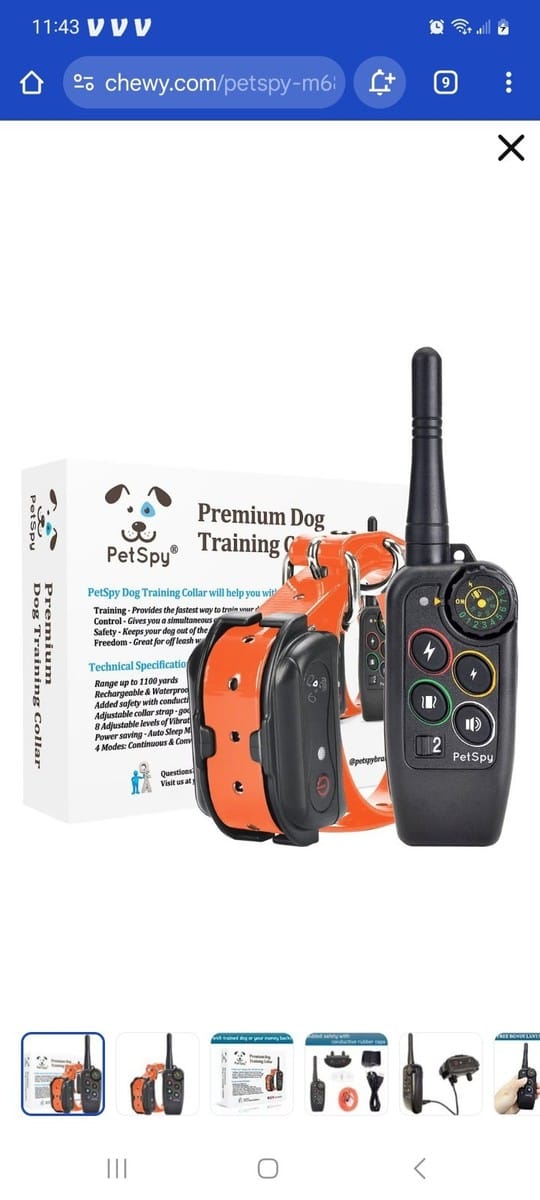
Electronic Collars (E-Collars / Shock Collars)
Electronic collars deliver a mild static stimulation, vibration, or tone as a correction. They are often used for off-leash training or to address persistent behavioral issues.
- Pros: Can be effective for long-distance training and severe behavioral problems, offers multiple levels of correction.
- Cons: Highly controversial, potential for misuse and psychological distress if not used by a qualified professional, can suppress behavior without addressing the root cause.
Reviews of Popular Dog Training Collars
Choosing the right collar often comes down to individual dog needs and owner preferences. Here are reviews of some highly-regarded options in each category:
1. The Premier Martingale: The CollarDirect Italian Leather Martingale Collar
Why it’s great: Crafted from high-quality Italian leather, this collar offers both durability and style. Its design ensures a secure fit for breeds prone to slipping their collars, and the leather’s softness makes it comfortable for daily wear.
- Best for: Sighthounds, dogs with narrow heads, owners seeking a premium, humane option for preventing escapes.
- Considerations: Requires proper measurement for the perfect fit.
2. The All-Around Head Halter: PetSafe Gentle Leader Easy Walk Harness
While technically a harness, the Easy Walk Harness functions similarly to a head halter in redirecting your dog’s forward momentum. It features a patented front-clip design that discourages pulling by guiding your dog towards you. Many owners find this a humane and effective alternative to traditional collars for managing strong walkers.
- Best for: Persistent pullers, dogs uncomfortable with head halters, owners seeking a non-aversive solution.
- Considerations: Ensure the harness is adjusted correctly to prevent chafing. For specific guidance on fitting and usage, you might find resources on dog training st charles mo helpful, as many trainers in such areas emphasize proper harness fit.
3. The Effective Prong Collar: Sprenger Stainless Steel Prong Training Collar
For trainers experienced with prong collars, Sprenger is a trusted name. Their collars are made from high-quality stainless steel, ensuring durability and rust resistance. The symmetrical link design distributes pressure evenly.
- Best for: Experienced owners or trainers managing strong-willed dogs, teaching impulse control.
- Considerations: Crucially, prong collars require expert fitting and usage. Misuse can lead to injury. This collar is not recommended for novice owners. If you are considering this type of tool, seeking professional guidance from dog training classes cincinnati can provide invaluable knowledge on safe and effective application.
4. The Advanced E-Collar: Educator E-Collar Remote Dog Training Collar
The Educator offers a more humane approach to e-collar training with its patented “Boost” button, providing a tapping sensation instead of a continuous shock. It features a wide range of stimulation levels, from gentle vibration to static correction, controlled by a user-friendly remote.
- Best for: Addressing advanced behavioral issues, off-leash reliability training with professional guidance.
- Considerations: E-collars are potent tools and should only be used under the guidance of a certified professional dog trainer. Improper use can cause fear and anxiety. Resources like those found at dog training maryville tn often cover the ethical considerations and professional application of such tools.
How to Choose the Right Training Collar for Your Dog
Selecting the appropriate training collar is a critical step in your dog’s education. It’s not just about the tool itself, but how it’s used and whether it aligns with your training philosophy and your dog’s individual needs.
Consider Your Dog’s Temperament and Breed
- Sensitive Dogs: Opt for gentle methods like martingale collars, head halters, or front-clip harnesses. Avoid prong or electronic collars, which can increase anxiety and fear.
- Strong Pullers: Head halters or front-clip harnesses are excellent starting points. For severe cases and with professional guidance, prong or e-collars might be considered, but always prioritize humane methods first.
- Stubborn or High-Drive Dogs: While these dogs may benefit from clearer feedback, it’s essential to use tools that don’t create aversion. Professional training is highly recommended.
Evaluate Your Training Goals
- Basic Leash Manners: Martingale collars or front-clip harnesses are usually sufficient.
- Advanced Obedience/Off-Leash Reliability: This might involve more specialized tools, but always start with positive reinforcement and gradually introduce other methods if necessary, under expert supervision.
- Behavioral Modification: For issues like aggression or severe anxiety, consult a certified professional behaviorist. They can recommend the most appropriate tools and strategies.
Prioritize Safety and Humane Practices
The most effective training is built on trust and positive reinforcement. While certain training collars can provide quick results, they should never come at the expense of your dog’s physical or psychological well-being. Always ensure:
- Proper Fit: An ill-fitting collar of any type can cause discomfort, injury, or be ineffective.
- Correct Usage: Understand how and when to use the tool. This often requires guidance from a professional trainer.
- Positive Reinforcement: Training collars should supplement, not replace, positive reinforcement techniques like rewarding good behavior.
If you are struggling with specific training challenges, such as house training, understanding how to use products like the best potty training spray for dogs can be a part of a broader, positive training plan.
“The goal of training is not to dominate your dog, but to build a communication system based on understanding and trust. The right tools, used correctly, can facilitate this communication, but they are never a substitute for patience, consistency, and a deep understanding of your dog’s needs.” – Dr. Emily Carter, Canine Behaviorist.
Frequently Asked Questions (FAQ)
Q1: Are electronic shock collars cruel?
A1: Electronic shock collars are a controversial topic. When misused or used on sensitive dogs, they can cause significant physical and psychological harm, leading to fear, anxiety, and aggression. However, proponents argue they can be used humanely and effectively by experienced professionals for specific behavioral issues. It is crucial to consult with a certified professional trainer before considering this type of collar.
Q2: Can a prong collar injure my dog?
A2: Yes, prong collars can cause injury if they are not fitted correctly, are too tight, or are used inappropriately. The pressure points can lead to neck injuries, tracheal damage, or skin irritation. Professional guidance on fitting and usage is essential.
Q3: When is the best age to start using training collars?
A3: For most dogs, basic leash manners can begin around 4-6 months, once they have had initial vaccinations. Gentle methods like front-clip harnesses or martingales can be introduced early. More aversive tools like prong or electronic collars are generally recommended for older dogs, after more basic positive training methods have been attempted, and always under professional supervision.
Q4: How do I know if my dog’s training collar fits properly?
A4: For most collars (flat, martingale, prong, electronic), you should be able to comfortably fit two fingers between the collar and your dog’s neck. For head halters and harnesses, follow the manufacturer’s specific fitting guide to ensure no chafing or restriction of movement or breathing.
Q5: Can I use a training collar for everyday wear?
A5: Martingale collars are designed for secure everyday wear for specific breeds prone to slipping. However, most other training collars (prong, electronic, some harnesses) are intended for training sessions only. Leaving them on unsupervised can pose safety risks or lead to discomfort and over-reliance.
Conclusion: Finding the Right Fit for Your Canine Story
The journey of dog training is a narrative you write with your furry companion. Choosing the right training collar is a chapter that requires careful consideration, research, and often, professional advice. By understanding the different types of collars, their appropriate uses, and prioritizing your dog’s welfare, you can select a tool that aids in effective communication and strengthens the bond you share. Remember, the most impactful training stories are built on a foundation of trust, patience, and a deep understanding of your dog’s unique needs.
