
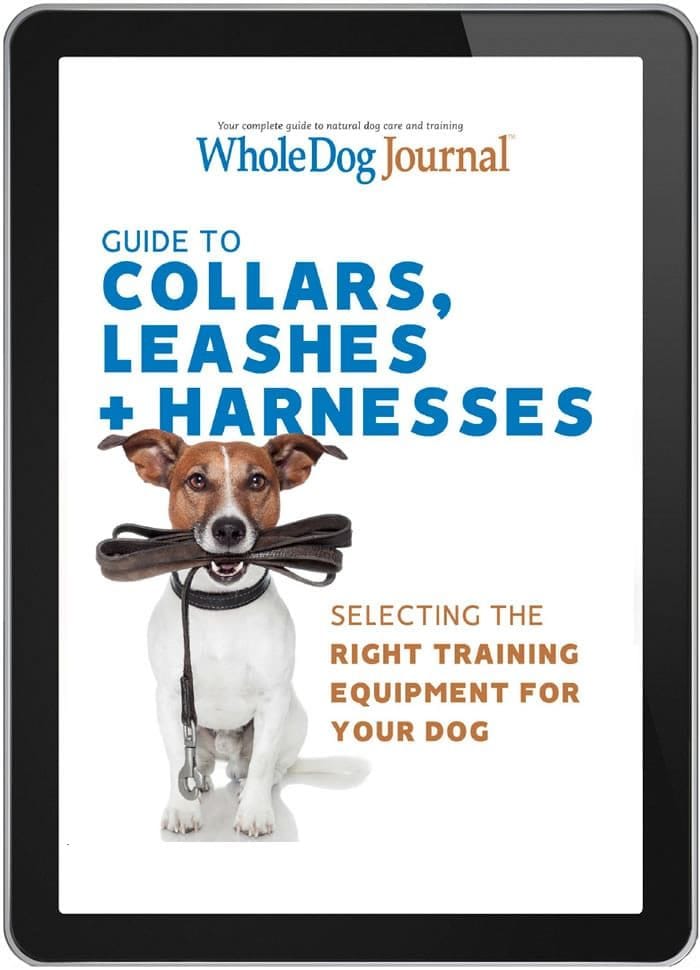
Welcome to the ultimate guide on Dog Training Collars And Leashes, where we’ll unravel the essentials of choosing, using, and understanding these vital tools for your canine companion. As passionate advocates for the human-animal bond, we believe that with the right equipment and approach, training your dog can be a rewarding and effective experience, strengthening the connection between you and your furry friend. This article aims to equip you with the knowledge needed to navigate the world of training gear, ensuring both safety and success in your dog’s journey to becoming a well-behaved member of the family.
The Importance of Proper Training Gear
The journey of dog ownership is often intertwined with the process of training. Whether you’re welcoming a new puppy or working with an older dog, proper training tools are indispensable. Collars and leashes are not merely accessories; they are fundamental components of effective communication and control during training sessions and everyday outings. Choosing the right dog training collar and leash can significantly impact your training outcomes, influencing your dog’s responsiveness, safety, and overall comfort.
Understanding Different Types of Collars
The market offers a wide array of collars, each designed with specific training goals and dog needs in mind. Understanding the function and suitability of each type is crucial for making an informed decision.
Flat Collars
These are the most common type of collars, typically made of nylon or leather. They are suitable for everyday wear and for dogs who already have a good grasp of basic leash manners. Flat collars are generally safe but do not offer much control for strong pullers or dogs with behavioral issues.
Martingale Collars
Also known as greyhound collars, martingale collars are designed with a secondary loop that tightens slightly when the dog pulls, preventing escape. They are particularly useful for breeds with slender heads, like sighthounds, but can be effective for any dog that tends to slip out of traditional collars. They provide a gentle tightening action without choking.
Head Halters
A head halter, such as a Gentle Leader or Halti, fits around the dog’s muzzle and behind the ears. It works by redirecting the dog’s head, similar to how a horse’s bridle works. This type of collar offers excellent control for strong, persistent pullers and can be very effective for dogs who are reactive on leash.
Front-Clip Harnesses
Harnesses distribute pressure across the dog’s chest rather than the neck. A front-clip harness has a leash attachment point on the dog’s chest. When the dog pulls, the harness gently turns them back towards you, discouraging pulling without causing discomfort or choking. These are a fantastic alternative for dogs with sensitive necks or those who tend to choke themselves on a collar.
Back-Clip Harnesses
These harnesses have the leash attachment point on the dog’s back, behind the shoulders. They are generally more comfortable for dogs and are a good option for dogs that don’t pull excessively, as they allow for more freedom of movement. They are not ideal for stopping pulling but can be great for visibility and general walking.
Training Collars (Choke Chains, Prong Collars, E-Collars)
These collars are designed for more intensive training and should be used with caution and expert guidance.
- Choke Chains (Slip Collars): These collars tighten significantly when the dog pulls, creating discomfort. They can be effective for correcting pulling but carry a risk of injury if used improperly.
- Prong Collars: These collars have blunt metal prongs that press into the dog’s neck when they pull, causing discomfort. They are designed to be a more humane alternative to choke chains by distributing pressure more evenly.
- Electronic Collars (E-Collars): These collars deliver a static, vibration, or tone stimulus. They are highly controversial and should only be used by experienced trainers who understand their proper application and ethical considerations. Misuse can lead to fear, anxiety, and aggression in dogs.
It is crucial to consult with a professional trainer or veterinarian before using any of these more intensive training collars to ensure they are appropriate for your dog and that you understand how to use them safely and effectively. We offer resources on best training tools for dogs to help you make informed choices.
Choosing the Right Leash
Just as important as the collar is the leash. The leash is your primary tool for guiding and communicating with your dog during walks and training.
Standard Flat Leashes
These are typically made of nylon, cotton, or leather and come in various lengths, with 4 to 6 feet being the most common. They are versatile and suitable for most everyday walking and training situations.
Retractable Leashes
Retractable leashes allow dogs to roam further away from their owners, offering more freedom. However, they can be dangerous. The long, thin cord can easily cause injuries to both dogs and humans, and they offer less control, making it difficult to react quickly to potential hazards. We generally advise against their use for training purposes.
Martingale Leashes
These leashes have a built-in martingale loop at the handle end, allowing for a more secure grip or the ability to temporarily secure the dog if needed.
Training Leashes
These are often longer leashes (10-20 feet) made of nylon or biothane, used for off-leash training recall or practicing commands at a distance. They provide more freedom for the dog while allowing the handler to maintain control.
The Art of Using Collars and Leashes Effectively
Selecting the right gear is only half the battle; knowing how to use it is paramount.
Proper Fit is Key
A collar that is too loose can easily slip off, while one that is too tight can cause discomfort, chafing, or even injury. You should be able to comfortably fit two fingers between the collar and your dog’s neck. For harnesses, follow the manufacturer’s specific fitting instructions.
Positive Reinforcement Training
Modern dog training heavily emphasizes positive reinforcement. This means rewarding desired behaviors with treats, praise, or toys, rather than relying on punishment. Collars and leashes, when used correctly, serve as tools to guide and manage behavior within a positive framework. For instance, when a dog learns how to train dogs not to pull on leash, it’s often through rewarding loose-leash walking.
Introducing New Gear
Introduce new collars or harnesses gradually. Let your dog sniff and investigate them. Associate the gear with positive experiences, such as treat delivery or a favorite toy. For the first few times, keep them on for short periods while you’re supervising, gradually increasing the duration.
Leash Handling Techniques
- Loose-Leash Walking: The goal is to have your dog walk beside you on a relaxed leash. If your dog pulls, stop moving. Only resume walking when the leash slackens.
- Managing Reactivity: If your dog is reactive, especially to other dogs or people, a front-clip harness or head halter can provide better management. Avoid tight leashes, as tension can exacerbate reactivity. Focus on creating distance and using positive reinforcement to build positive associations. Understanding how to stop reactive dog on leash is a crucial skill for many owners.
When to Seek Professional Help
If you’re struggling with leash pulling, reactivity, or any other training challenges, don’t hesitate to consult a certified professional dog trainer. They can assess your dog’s behavior, recommend the most appropriate equipment, and guide you through effective training techniques. Training a small dog might present unique challenges, and a trainer can offer specific advice on how to train a small dog effectively.
Safety Considerations
Safety should always be the top priority. Regularly inspect your dog’s collar and leash for any signs of wear and tear. Ensure that any training collar is used humanely and ethically. Never leave a training collar on your dog unsupervised. Remember that the goal of training is to build trust and communication, not to intimidate or harm your dog.
Conclusion
Choosing the right dog training collar and leash is a significant step in your dog’s training journey. By understanding the various options available, ensuring a proper fit, and employing positive training methods, you can create a safer, more enjoyable, and more communicative relationship with your canine companion. Remember, patience, consistency, and the right tools are the keys to success in building a strong bond and a well-behaved dog.
