
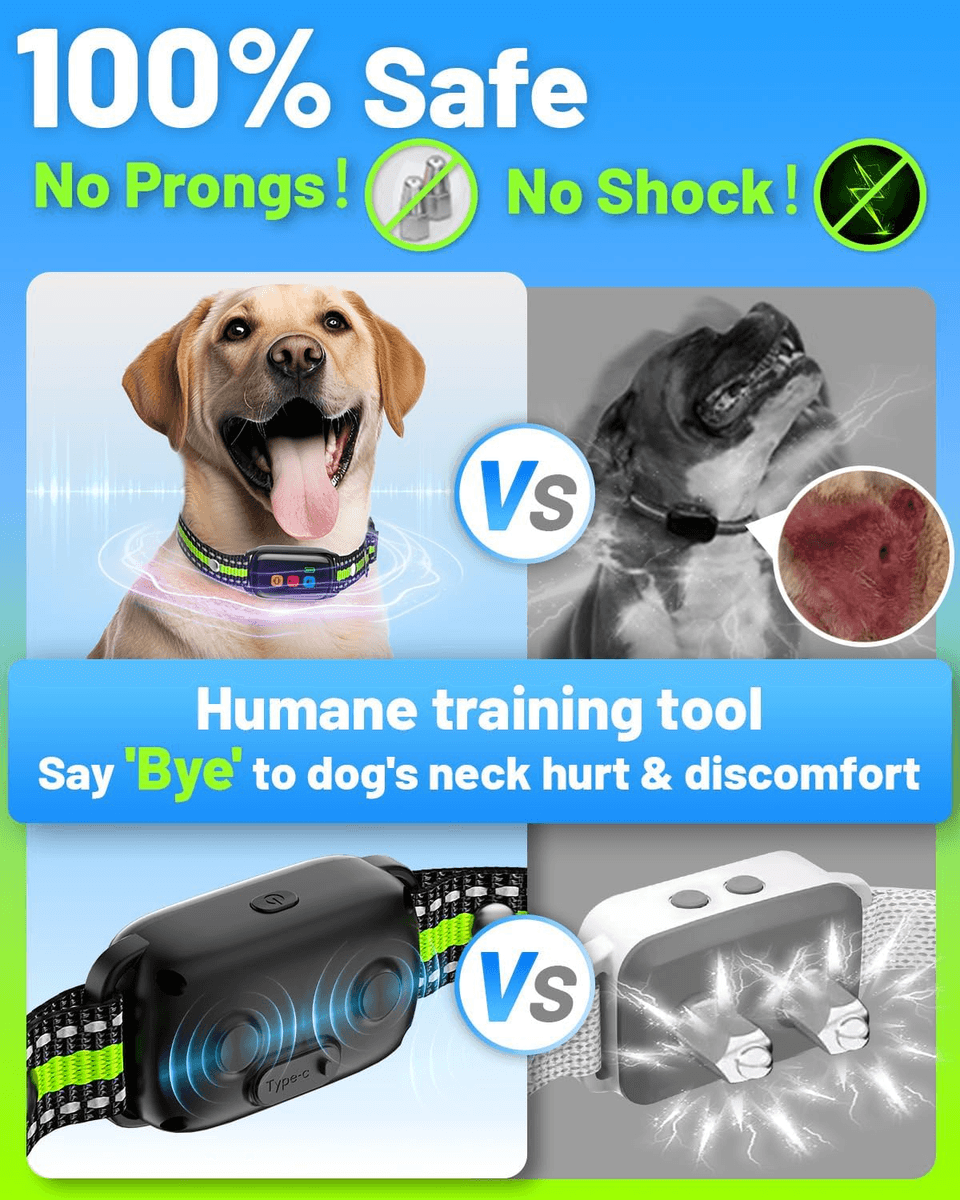
Dog training can be a rewarding experience, strengthening the bond between you and your canine companion. However, sometimes a little extra help is needed to communicate effectively. This is where a Dog Training Collar With Vibration can become an invaluable tool for many owners. Unlike older shock collars, vibration collars offer a gentler, yet effective, way to get your dog’s attention and guide their behavior without causing pain or distress.
At Dog Care Story, we understand that choosing the right training aids is crucial for your dog’s well-being and your training success. This comprehensive guide will delve into everything you need to know about vibration dog training collars, from how they work and their benefits to how to use them responsibly and effectively. Whether you’re a seasoned dog owner or new to the world of canine training, this article aims to equip you with the knowledge to make informed decisions for your furry friend.
Understanding How Vibration Training Collars Work
At its core, a dog training collar with vibration operates on the principle of associative learning. The collar is designed with a small, localized vibration motor that can be remotely activated by a handheld transmitter. When you press a button on the transmitter, the collar on your dog’s neck vibrates.
The key to using these collars effectively lies in associating the vibration with a command or a correction. Initially, the vibration might startle your dog, but with consistent training, they learn that the vibration signals your attention or a request. For instance, if your dog is about to chase a squirrel, you might press the vibration button. As soon as they look back at you, you praise them and offer a treat. Over time, the dog learns to associate the vibration with stopping the undesirable behavior and looking to you for guidance. This makes it a powerful tool for remote communication, especially when you can’t physically reach your dog or when they are too far away to hear your verbal commands.
The Benefits of Choosing a Vibration Collar
The advantages of using a dog training collar with vibration extend beyond just basic obedience. Here are some key benefits:
- Humane and Gentle: This is perhaps the most significant advantage. Vibration collars do not inflict pain. The sensation is noticeable but not harmful, making it a humane alternative to shock collars. This is particularly important for sensitive dogs or those with a history of fear or anxiety.
- Effective for Various Breeds and Temperaments: Whether you have a stubborn bulldog or a timid poodle, the distinct vibration can capture their attention. It’s an excellent option for dogs who are easily distracted or have a high prey drive, helping you regain focus even in noisy or stimulating environments.
- Versatile Training Applications: These collars are useful for a range of training needs. They can help with recall training (calling your dog back to you), preventing chasing, discouraging digging, or simply reinforcing basic commands like “sit” or “stay” when you’re not in immediate proximity.
- Improved Communication Over Distance: For owners who enjoy hiking or letting their dogs roam in large, secure yards, a vibration collar offers a reliable way to communicate commands from a distance, enhancing safety and control.
- Reduced Barking: In some cases, a gentle vibration can be used to interrupt excessive barking. The vibration serves as a signal to cease the barking, and when paired with positive reinforcement for quiet behavior, it can be very effective.
- Ideal for Specific Training Needs: For those looking into advanced training or dealing with specific behavioral issues, a vibration collar can be a critical component. For example, understanding dog training collars reviews can highlight how these devices aid in managing distractions.
How to Properly Use a Dog Training Collar with Vibration
Responsible and effective use is paramount when employing any training tool, and vibration collars are no exception. Here’s a step-by-step approach to get the most out of your dog training collar with vibration:
- Introduce the Collar Gradually: Let your dog wear the collar for short periods without activating the vibration. Associate the collar with positive experiences like playtime or treats. This helps your dog get accustomed to wearing it, preventing anxiety or resistance.
- Start with Low Vibration Levels: Always begin with the lowest vibration setting. You want the sensation to be noticeable, not overwhelming. Observe your dog’s reaction. If they perk up their ears or look at you, you’ve likely found the right level. If they seem distressed, lower the setting.
- Pair Vibration with Commands and Positive Reinforcement: The vibration itself is not a command; it’s a signal. When you activate the vibration, immediately follow up with a verbal command (e.g., “Come,” “Leave it”). The moment your dog responds correctly, praise them enthusiastically and offer a high-value treat. This positive reinforcement is what teaches them the desired behavior.
- Use it for Specific Behaviors: Don’t use the vibration collar for every minor infraction. Reserve it for situations where you need to get your dog’s attention quickly or reinforce a specific command, especially when they are distracted or at a distance.
- Maintain Consistency: Every member of the household who interacts with the dog should understand how and when to use the collar. Inconsistent use can confuse your dog and hinder progress.
- Never Use as Punishment: The vibration should never be used as a punitive measure or when you are angry. It’s a communication tool, not a disciplinary weapon. Using it in anger can create fear and damage your relationship with your dog.
- Understand Limitations: While effective for many situations, vibration collars might not be suitable for all dogs or all training scenarios. Extremely fearful or aggressive dogs may require a different approach, potentially with the guidance of a professional trainer. For owners looking for remote communication, consider options like a dog tracking and training collar which combines GPS tracking with training functionalities.
Choosing the Right Vibration Dog Training Collar
With numerous options available, selecting the best dog training collar with vibration can seem daunting. Here are key features to consider:
- Range: How far away can you effectively operate the transmitter? For large properties or open spaces, a longer range is crucial.
- Adjustable Vibration Levels: Look for collars that offer multiple vibration intensity settings. This allows you to fine-tune the level for your specific dog and training situation. Some advanced models also offer different vibration patterns.
- Water Resistance: If you and your dog enjoy outdoor activities in various weather conditions, a water-resistant or waterproof collar and transmitter are essential.
- Rechargeable Batteries: Long-lasting, rechargeable batteries for both the collar and transmitter are more convenient and cost-effective than disposable ones.
- Collar Fit and Comfort: Ensure the collar is made from durable, comfortable material and is adjustable to fit your dog’s neck securely but comfortably. A poorly fitting collar can be ineffective or cause irritation. For owners of smaller breeds, exploring best small dog training collars can provide specialized options.
- Ease of Use: The transmitter should be intuitive and easy to operate, especially during training sessions where quick action is needed.
- Additional Features: Some collars come with added features like LED lights for nighttime visibility, or even mild static stimulation as a secondary option, although this guide focuses on vibration. If you’re considering vibration dog training collars, pay attention to user reviews regarding reliability and customer support.
Addressing Common Concerns and Misconceptions
Despite their benefits, some people harbor concerns about using electronic training collars, including vibration models. It’s important to address these:
- “Vibration collars are a form of punishment.” This is a misconception. When used correctly, the vibration is a communication tool – a way to get your dog’s attention or signal a boundary. It’s the association with positive outcomes (praise, treats) that teaches the dog. Unlike punishment, which aims to deter behavior through fear, vibration training focuses on guiding and reinforcing desired actions.
- “They can make dogs anxious or aggressive.” Improper use, such as using excessively high settings or using the collar as punishment, can indeed lead to negative emotional responses. However, when introduced gradually, used at appropriate levels, and paired with positive reinforcement, vibration collars are generally very safe and can even reduce anxiety by providing clearer communication and predictable boundaries. For those concerned about shock, the absence of it in vibration collars significantly reduces this risk. Nevertheless, if you are looking at shock collar dog training options, proceed with extreme caution and professional guidance.
- “They aren’t effective for all dogs.” While generally effective, it’s true that individual dogs respond differently to training methods. Some dogs might be less sensitive to vibration, while others might be overly sensitive. Professional guidance from a certified dog trainer can help determine if a vibration collar is the right fit for your dog and how to best utilize it.
The Future of Dog Training Technology
The world of dog training is constantly evolving, with technology playing an increasingly significant role. Vibration training collars represent a humane and effective advancement in this field. As technology progresses, we can expect even more sophisticated tools that further enhance communication and understanding between humans and their dogs. Innovations might include biofeedback sensors that detect a dog’s stress levels, or AI-powered systems that adapt training prompts based on a dog’s real-time responses.
However, no matter how advanced the technology becomes, the core principles of dog training remain the same: patience, consistency, positive reinforcement, and a deep understanding of your dog’s needs. A dog training collar with vibration is a tool to facilitate this relationship, not replace the essential human element of training and companionship.
Conclusion: A Gentle Path to Better Behavior
A dog training collar with vibration offers a modern, humane, and effective solution for a variety of training challenges. By understanding how it works, its benefits, and how to use it responsibly, you can leverage this technology to build a stronger bond with your dog, improve their behavior, and enhance your shared adventures. Remember, the goal is always to communicate clearly and kindly, fostering a well-behaved companion who understands your expectations and thrives in your care.
At Dog Care Story, we believe in empowering dog owners with the knowledge to make the best choices for their pets. If you’re considering a training collar, a vibration model is an excellent starting point, offering a gentle yet firm method for achieving training success.
