
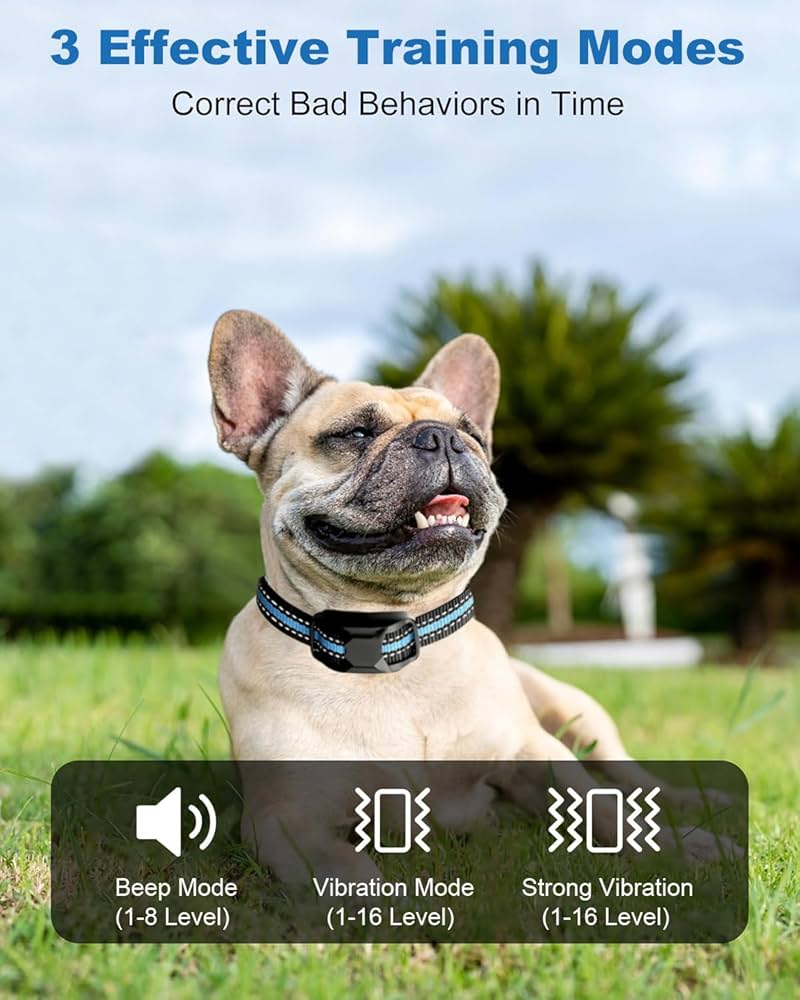
The world of dog training can be both rewarding and challenging. As dedicated pet parents, we constantly seek effective, humane methods to communicate with our canine companions and foster a strong bond. One tool that has gained significant attention is the dog training collar, specifically those featuring a beep function. This guide delves into the world of the Dog Training Collar Beep, exploring its purpose, benefits, and how to use it responsibly to achieve your training goals.
Understanding the “Beep” in Dog Training Collars
At its core, a dog training collar with a beep function is a communication device designed to reinforce training cues. Unlike shock collars, which deliver a mild static correction, many modern training collars utilize an audible tone – the beep – as a primary or supplementary training aid. This beep is not meant to be punitive; rather, it serves as a clear, consistent signal that precedes a command or a correction, helping your dog understand what is expected of them.
How the Beep Works in Training
The beep functions as a “marker” in operant conditioning. In simpler terms, it’s a neutral signal that tells your dog, “Pay attention, something is about to happen.” This is often paired with a command. For example, you might press the beep button, say “Sit,” and then offer a treat or praise when your dog sits. Over time, the dog learns to associate the beep with the command and the subsequent reward, making training more efficient.
When to Use a Dog Training Collar Beep
The decision to use a dog training collar beep should be made thoughtfully, considering your dog’s temperament, your training experience, and your overall training philosophy. These collars are most effective when used as part of a positive reinforcement training program.
Reinforcing Commands
The beep can be invaluable for reinforcing commands, especially for dogs who are easily distracted or have a strong prey drive. The audible cue can cut through background noise and grab your dog’s attention, signaling that it’s time to focus on your command. This is particularly useful in outdoor settings or when training a dog to recall.
Distraction Training
For dogs that struggle with distractions, the beep can act as a gentle interruption. If your dog is fixated on something, a quick beep can redirect their attention back to you, allowing you to then issue a command or reward them for disengaging from the distraction.
Introducing Remote Cues
For more advanced training, the beep can be used to introduce a remote cue. Instead of relying solely on your voice, you can use the beep to get your dog’s attention from a distance. This is a stepping stone towards teaching your dog to respond to subtle hand signals or other non-verbal cues.
Benefits of Using a Beep Collar for Dog Training
Incorporating a beep into your training routine can offer several advantages:
- Clear Communication: The beep provides a consistent, unambiguous signal that your dog can easily learn to associate with commands or desired actions.
- Reduced Reliance on Voice: Over time, the beep can lessen the need for constant verbal commands, especially in noisy environments or at a distance.
- Positive Association: When paired with rewards, the beep can become a positive signal, indicating a moment of success and connection with their owner.
- Humane Alternative: Compared to methods that rely solely on harsh corrections, the beep is a gentler approach that focuses on clear communication and positive reinforcement.
Choosing the Right Dog Training Collar with Beep
When selecting a dog training collar beep, consider the following factors:
1. Sound Intensity and Tone
Ensure the beep is audible enough for your dog to hear clearly in various environments, but not so loud that it startles or distresses them. Some collars offer adjustable beep volumes.
2. Range and Durability
Consider the range of the remote and the durability of the collar. If you plan to train in large open spaces, a longer range is essential. The collar should also be robust enough to withstand daily wear and tear.
3. Ease of Use
The remote should be intuitive and easy to operate, allowing you to quickly access the beep function without fumbling, especially in critical training moments.
4. Battery Life
Opt for a collar with good battery life to ensure it’s ready when you need it. Rechargeable options are often more cost-effective and environmentally friendly in the long run.
Responsible Use of a Dog Training Collar Beep
The effectiveness and ethical use of any training tool depend heavily on the handler. Here’s how to ensure you’re using a dog training collar beep responsibly:
Start with Positive Reinforcement
Always begin your training without the collar, using positive reinforcement methods like treats, praise, and toys. Introduce the beep collar only after your dog has a basic understanding of the commands you wish to reinforce.
Pair the Beep with Commands and Rewards
As mentioned, the beep should be a signal that precedes a command and is followed by a reward for correct execution. Never use the beep as a standalone punishment. The beep tells your dog, “pay attention, you’re about to be asked to do something,” not “you did something wrong.”
Introduce Gradually
Let your dog get accustomed to wearing the collar without any active training. Then, start by using the beep function alone in a quiet environment, followed by a treat. Gradually introduce it during training sessions, always rewarding success.
Adjust and Observe
Pay close attention to your dog’s body language. If they show signs of stress, fear, or confusion (e.g., lip licking, yawning, tail tucked), you may need to adjust your training approach, slow down the introduction, or consult a professional trainer.
Know When to Stop
The beep should be a tool to aid communication, not to dominate your dog. If you find yourself relying too heavily on the beep or if your dog is not responding positively, it might be time to re-evaluate your training strategy. Consider seeking guidance from a certified professional dog trainer.
Common Questions About Dog Training Collar Beeps
Q: Can a dog training collar beep harm my dog?
A: When used correctly and responsibly, a dog training collar beep is not harmful. It’s an auditory signal, not a physical punishment. The key is to pair it with positive reinforcement and to ensure your dog understands the association.
Q: How long does it take for a dog to learn the beep signal?
A: Dogs learn at different paces. Some may pick it up within a few sessions, while others might take a week or two. Consistency and positive reinforcement are crucial for faster learning.
Q: Is a beep collar the same as a shock collar?
A: No. A beep collar uses an audible tone as a signal. A shock collar, on the other hand, delivers a mild static correction. While some collars offer both functions, many beep-only collars are available for those who prefer a non-aversive approach.
Q: Can I use a beep collar for off-leash training?
A: Yes, a beep collar can be very effective for off-leash training, particularly for recall. The audible cue can help grab your dog’s attention from a distance, reinforcing the command to return to you.
The Story Continues: Building a Better Bond with Your Dog
The journey of dog training is ongoing, and tools like the dog training collar beep can be valuable allies. By understanding how they work, their benefits, and most importantly, how to use them ethically and effectively, you can enhance your communication with your dog and strengthen the incredible bond you share. Remember, the goal is always a happy, well-behaved companion who understands and trusts you. The story of your dog is one of love, learning, and companionship, and every well-communicated cue brings you closer to a richer, more fulfilling relationship.
