
When it comes to training our canine companions, the methods and tools used have long been a subject of debate. Among the most contentious is the choke collar, also known as a slip collar or constriction collar. For decades, it was a go-to for many trainers seeking to correct unwanted behaviors. However, in recent years, its use has come under intense scrutiny from animal behaviorists, veterinarians, and a growing number of dog owners who advocate for more humane and effective Dog Training Choke Collar alternatives. Understanding the mechanics, potential risks, and ethical considerations surrounding choke collars is crucial for any responsible dog owner.
How Choke Collars Work
A choke collar is typically a chain or nylon loop that fastens around a dog’s neck. When the dog pulls on the leash, the collar tightens, creating pressure and discomfort. The intention is that the dog will associate the unpleasant sensation with the pulling behavior and learn to stop doing it. This is often described as an “a-ha” moment for the dog, where they understand that ceasing the pull alleviates the pressure. This immediate negative reinforcement aims to deter specific actions, such as excessive barking, lunging, or walking ahead of the handler.
The Controversy: Why Choke Collars Are Debated
The primary concern surrounding choke collars is their potential to cause physical harm and psychological distress to dogs. Unlike a quick correction, improper use or a dog’s strong reaction can lead to severe consequences.
Physical Risks Associated with Choke Collars
The tightening mechanism of a choke collar can, if not used correctly or if the dog reacts strongly, lead to a range of injuries. These can include:
- Tracheal Damage: The trachea, or windpipe, is particularly vulnerable. Constant or severe pressure can cause bruising, collapse, or even rupture of the trachea, leading to difficulty breathing, coughing, and potentially long-term respiratory issues.
- Esophageal Injury: Similar to the trachea, the esophagus can also be compressed, leading to pain during swallowing and potential long-term damage.
- Neck and Spinal Cord Injuries: In some cases, especially with smaller or more delicate breeds, the force applied can cause strain or injury to the neck muscles and even the delicate spinal cord.
- Eye Injuries: Pressure around the neck can sometimes increase blood pressure in the head, potentially exacerbating or causing eye conditions like glaucoma or retinal detachment.
- Skin Irritation and Abrasions: The metal or nylon components can cause friction, leading to sores, irritation, and hair loss around the neck area, especially with prolonged use or in wet conditions.
Psychological Impact of Choke Collars
Beyond the physical risks, the psychological effects of using choke collars are a significant concern.
- Increased Anxiety and Fear: The unpredictable nature of the tightening and the discomfort can lead to generalized anxiety and fear in dogs. They may become fearful of the leash, the collar itself, or even the handler, associating these with negative experiences.
- Aggression: In some dogs, the pain and fear induced by a choke collar can manifest as aggression. A dog that is experiencing discomfort might react defensively by lunging, growling, or snapping when feeling threatened or in pain. This is a serious and dangerous unintended consequence.
- Suppression of Behavior vs. True Understanding: Critics argue that choke collars suppress behavior through fear rather than teaching the dog what is expected. A dog trained with a choke collar might stop pulling simply to avoid pain, without truly understanding why pulling is undesirable or what alternative behavior is preferred. This can lead to a dog that is obedient only when the collar is on, or one that is constantly anxious.
Alternatives to Choke Collars
Fortunately, the evolution of dog training equipment and understanding of canine behavior has led to a wealth of effective and humane alternatives. Many trainers and behaviorists now advocate for positive reinforcement methods, which focus on rewarding desired behaviors rather than punishing unwanted ones.
Positive Reinforcement Tools
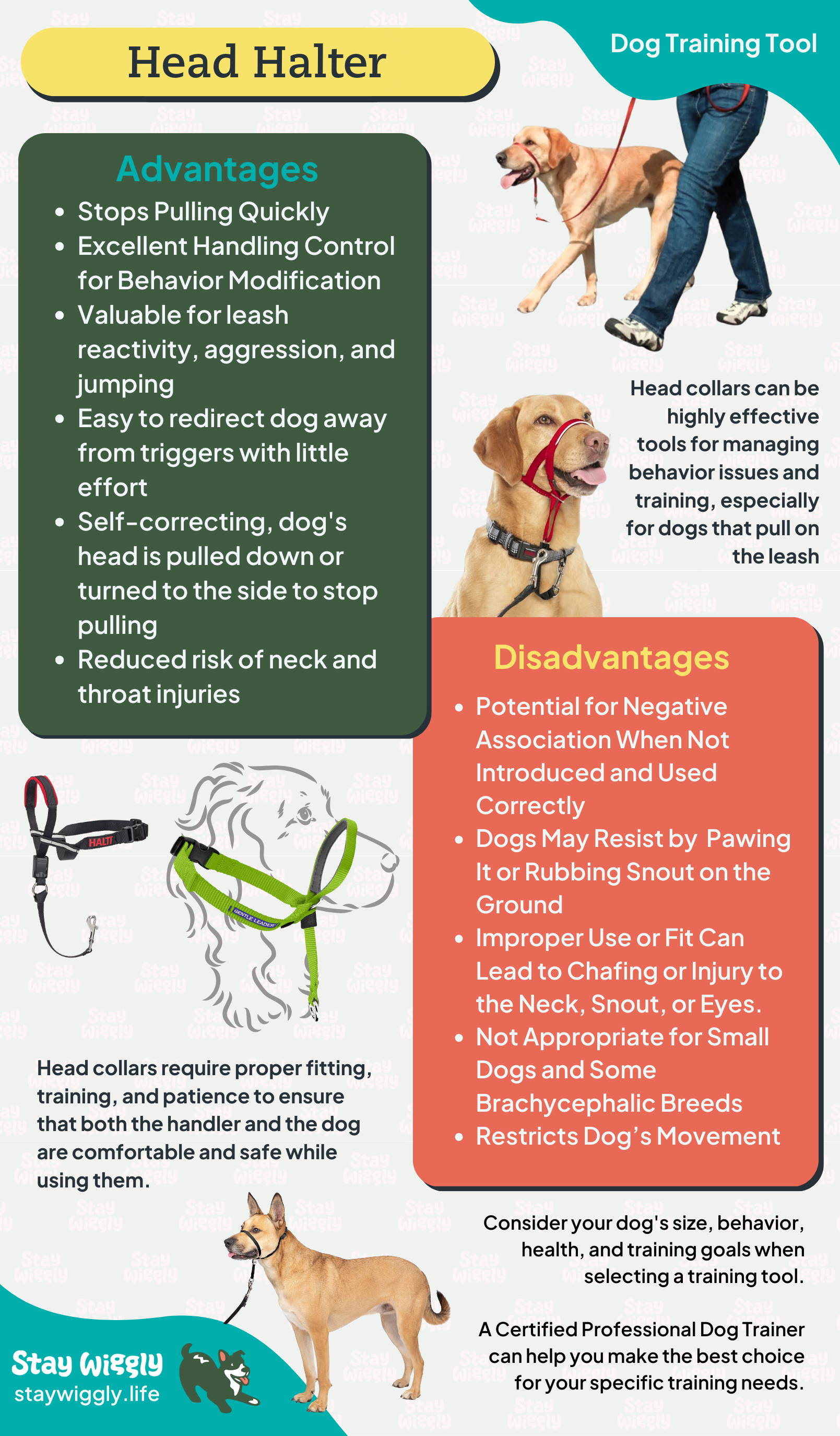
- Front-Clip or Head Halters: These tools, such as the Gentle Leader or Halti, attach to the dog’s muzzle and have a leash attachment point on the front of the chest or over the nose. They redirect the dog’s head when they pull, making it physically difficult for them to lunge forward. They offer control without causing pain or fear. For those interested in more advanced techniques, exploring hunting dog training equipment can also reveal innovative tools that prioritize control and communication.
- Martingale Collars: These collars are a safer alternative to choke chains. They have a loop that tightens, but only to a specific point, preventing the collar from choking the dog. They are effective for dogs with slender heads, like sighthounds, who might slip out of regular collars.
- Front-Clip Harnesses: These harnesses have a leash attachment on the dog’s chest. When the dog pulls, the leash redirects them, similar to a head halter. They are comfortable for the dog and distribute pressure across the chest rather than the neck. Many owners find puppy group training classes near me often introduce these gentler methods.
Positive Reinforcement Training Methods
The most effective and ethical approach to dog training often involves positive reinforcement. This means rewarding your dog with treats, praise, or toys when they exhibit desired behaviors.
- “Leave It” and “Stay” Commands: Teaching your dog to disengage from distractions or to remain in a position are crucial for managing their behavior.
- Reward-Based Loose-Leash Walking: Instead of punishing pulling, trainers reward dogs for walking calmly beside them. This might involve stopping every time the dog pulls and only resuming the walk when the leash is slack, or rewarding moments of loose-leash walking with high-value treats. Working with a local professional, such as a dog trainer des moines, can provide personalized guidance.
- Clicker Training: This method uses a clicker to mark the exact moment a dog performs a desired behavior, immediately followed by a reward. The clicker becomes a clear signal to the dog that they have done something right.
When Professional Help is Needed
For severe behavioral issues or if you’re struggling with any aspect of dog training, seeking professional guidance is highly recommended. A certified professional dog trainer or a veterinary behaviorist can assess your dog’s specific needs and recommend the most appropriate training plan. They can help you navigate challenges and ensure you are using humane and effective methods. Resources like best dog training resources can point you toward reputable professionals. Remember, consistency and patience are key, whether you’re working on basic obedience or addressing complex behavioral problems. If you’re in South Carolina, a local expert like a dog training conway sc professional can offer tailored support.
Conclusion: Prioritizing Your Dog’s Well-being
The conversation around the dog training choke collar is ultimately about prioritizing our dogs’ physical and emotional well-being. While the intention behind their use may have been to guide dogs toward better behavior, the significant risks of injury and distress have led many to reconsider their efficacy and ethics. By embracing modern, science-backed training methods and tools that foster a positive relationship between dog and owner, we can achieve reliable obedience and a stronger bond, ensuring our canine companions lead happy, healthy, and fear-free lives. The journey of understanding our dogs is ongoing, and choosing kindness in training is a testament to the deep connection we share with them.
