
As devoted dog owners, we all dream of having a well-behaved, happy, and confident canine companion. However, life gets busy, and sometimes, imparting the extensive training and socialization a dog needs can be challenging. This is where a professional dog training camp and boarding facility can be an absolute game-changer. More than just a place to leave your dog while you’re away, these specialized programs offer a structured, immersive environment designed to shape your dog’s behavior, build their confidence, and provide them with a safe, enriching experience. If you’ve been considering intensive dog training courses or are looking for a comprehensive solution for your dog’s behavioral needs, exploring the world of dog training camps and boarding is a fantastic next step.
Understanding the Benefits of Dog Training Camp & Boarding
The core philosophy behind a dog training camp and boarding program is immersion. Dogs learn best through consistent, positive reinforcement in a controlled environment, and this is precisely what these facilities provide. Unlike short, weekly training sessions, a board and train program allows dogs to live and learn within a professional setting 24/7. This consistent exposure accelerates the learning process and helps dogs generalize new behaviors to different situations.
Why Choose Board and Train Programs for Dogs?
- Accelerated Learning: Dogs are constantly immersed in a training-rich environment. Every interaction, from feeding to playtime, becomes a learning opportunity. This continuous reinforcement speeds up skill acquisition significantly compared to traditional one-hour-a-week classes.
- Behavioral Modification: For dogs with specific behavioral issues like excessive barking, leash pulling, reactivity, or separation anxiety, a dedicated program can provide targeted solutions. Professionals can identify the root cause of the behavior and implement a tailored training plan.
- Socialization: Properly managed group settings within a training camp allow dogs to interact with other dogs and people under expert supervision. This is crucial for developing good social skills and confidence, especially for puppies or dogs that may have had limited socialization opportunities.
- Consistency: Trainers at these facilities are highly experienced and consistent in their methods. This ensures your dog receives clear and predictable guidance, which is vital for effective learning and behavior change.
- Convenience: For busy owners, a board and train program offers a practical solution to address training needs without requiring a significant time commitment for daily training sessions at home. You can trust that your dog is not only learning but also being cared for.
- Building Confidence: A structured training environment can significantly boost a dog’s confidence. As they master new commands and learn to navigate social situations successfully, their self-esteem grows, leading to a happier, more well-adjusted dog.
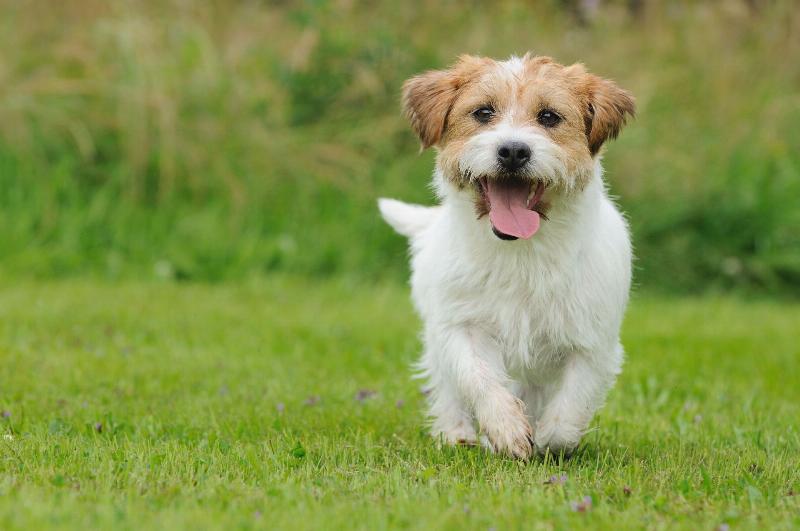 Benefits of dog training camp and boarding for canine behavior and socialization
What to Expect from a Dog Training Camp Experience
When you enroll your dog in a training camp, you’re investing in a comprehensive program designed for maximum effectiveness. While specific methodologies may vary between facilities, most reputable programs follow a structured approach.
The Training Curriculum
Most programs will cover a range of essential obedience commands and address common behavioral issues. Core curriculum typically includes:
- Basic Obedience: Sit, stay, come, down, heel, leave it.
- Leash Manners: Walking politely without pulling.
- House Training: Reinforcing good habits and addressing accidents.
- Socialization: Positive interactions with other dogs and people.
- Problem Behaviors: Addressing issues like jumping, excessive barking, chewing, and potty training regression.
Some advanced programs might also include specialized training, such as off-leash obedience, specific trick training, or preparation for dog sports.
The Day-to-Day at a Board and Train Facility
A typical day at a reputable dog training camp involves a carefully balanced schedule of training sessions, playtime, exercise, and rest.
- Structured Training Sessions: Dogs will participate in multiple short, focused training sessions throughout the day. These sessions are designed to be engaging and positive, using reward-based methods.
- Supervised Socialization: Dogs are often grouped with others of similar temperament and size for supervised play and interaction. This is a critical component for learning appropriate social cues and building confidence.
- Exercise and Enrichment: Beyond training, dogs need physical and mental stimulation. This can include walks, fetch, puzzle toys, and other enrichment activities to keep them happy and prevent boredom.
- Rest and Relaxation: Downtime is just as important as training. Dogs need ample time to rest and decompress in a comfortable, safe environment.
- Owner Communication: Good facilities will keep you updated on your dog’s progress with regular reports, photos, or videos. Some may offer in-person or virtual “go-home” training sessions to ensure a smooth transition back to your home.
Choosing the Right Dog Board and Train Program Near You
Selecting the ideal facility is crucial for your dog’s success and your peace of mind. Consider the following factors when looking at dog board and train programs near me or further afield:
- Trainer Qualifications and Experience: Look for trainers who are certified by reputable organizations (e.g., CCPDT, IAABC) and have a proven track record of success, particularly with the type of training your dog needs. Understanding their training philosophy, whether it’s purely positive reinforcement or a balanced approach, is essential.
- Facility Environment: Visit the facility if possible. Is it clean, safe, and well-maintained? Does it seem like a positive and stimulating environment for dogs? Observe the interactions between staff and dogs.
- Training Methods: Ensure the facility uses humane, science-based training methods. Avoid any place that uses harsh, punitive, or outdated techniques. Positive reinforcement is generally the most effective and ethical approach.
- Program Structure and Duration: Understand exactly what the program entails, how long it lasts, and what specific behaviors or commands will be covered. A good program will have a clear outline and measurable goals.
- Client Testimonials and Reviews: Read online reviews and testimonials from past clients. While not all reviews are perfect, a pattern of positive feedback regarding training results and customer service is a good sign.
- Post-Program Support: What kind of support do they offer once your dog returns home? Many excellent programs include follow-up sessions or resources to help you maintain the training progress. Consider options like san antonio dog boarding and training if you are in that region, as local options can sometimes offer more accessible follow-up.
Making the Transition Home: Maintaining Training Success
The training doesn’t end when your dog leaves the camp. The most critical phase is the transition back home, where you and your family become the primary trainers.
Reinforcing Learned Behaviors
- Consistency is Key: Continue using the same commands, cues, and reward system that the trainers used. Everyone in the household should be on the same page.
- Practice Regularly: Integrate the learned commands into your daily routine. Practice “sit” before meals, “stay” during distractions, and “come” in the yard.
- Manage the Environment: Set your dog up for success by managing their environment to prevent old habits from resurfacing. Use leashes, crates, or baby gates as needed, especially in the initial weeks.
Continued Socialization and Exercise
- Controlled Outings: Continue exposing your dog to new environments, people, and well-behaved dogs, but do so in a controlled manner.
- Adequate Exercise: Ensure your dog gets enough physical and mental exercise daily. A tired dog is a well-behaved dog. This might include long walks, playtime, or puzzle toys.
Seeking Ongoing Support
Don’t hesitate to reach out to your chosen board and train programs for dogs if you encounter any challenges. Many facilities offer follow-up consultations or group classes to help you and your dog navigate the adjustment period. For instance, if you utilized dog board and train richmond va, you might be able to schedule follow-up sessions there.
Conclusion: A Worthwhile Investment in Your Dog’s Future
A dog training camp and boarding program is a significant investment, but for many owners, it’s an invaluable one. It offers a structured, professional approach to address behavioral challenges, enhance obedience, and improve your dog’s overall quality of life. By choosing a reputable facility and committing to continuing the training at home, you can pave the way for a harmonious and fulfilling relationship with your canine companion. Remember, the goal is not just a well-trained dog, but a confident, happy, and integrated member of your family. Exploring options like intensive dog training courses can provide the specialized attention your dog needs to thrive.
