
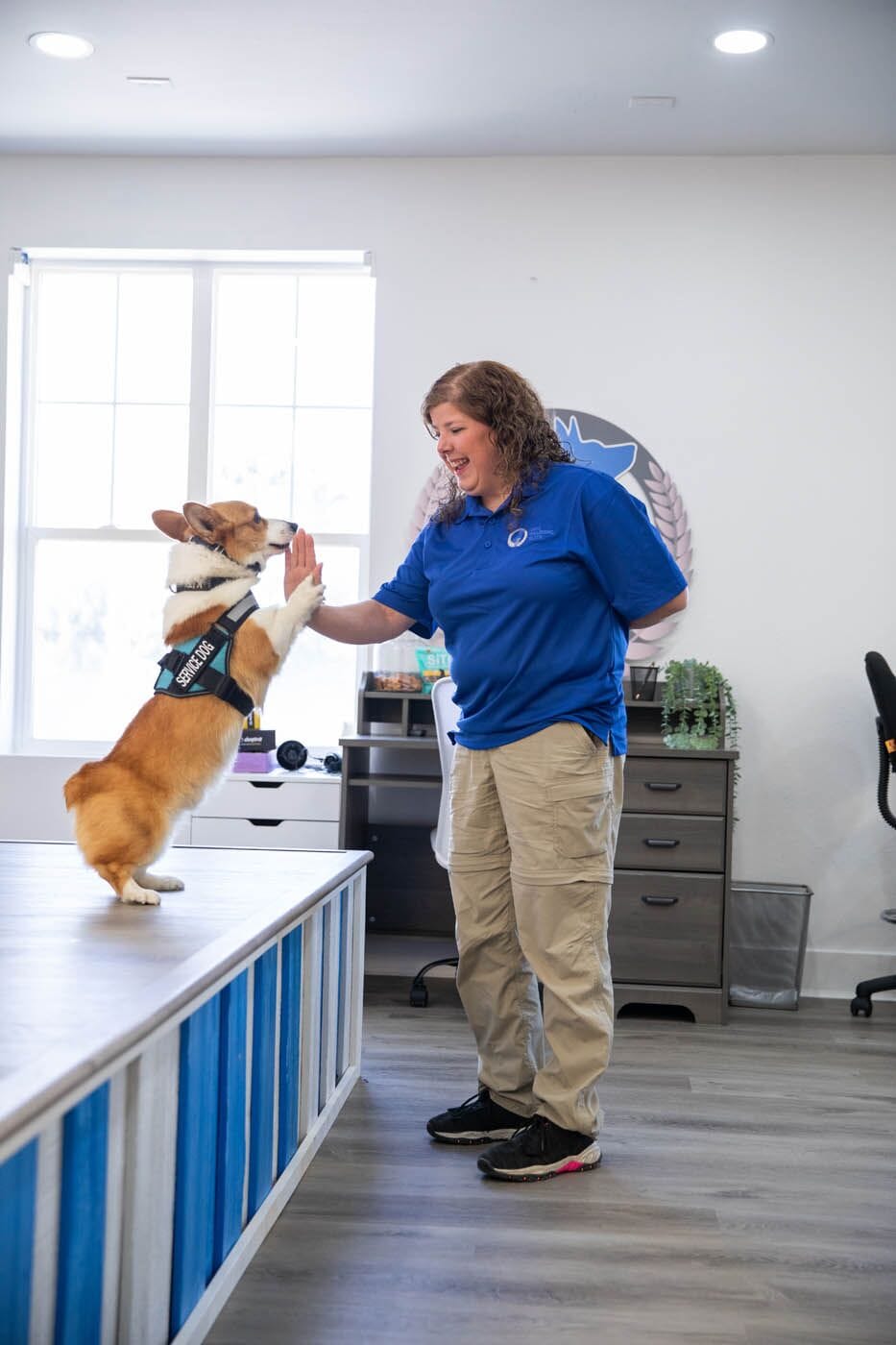
When it comes to shaping your canine companion’s behavior, few methods offer the concentrated effectiveness of a Dog Training Boot Camp. These immersive programs are designed to tackle behavioral challenges head-on, instilling obedience and good manners in a structured, intensive environment. Whether you’re dealing with a boisterous puppy or an adult dog with ingrained habits, a boot camp can be a transformative experience for both you and your pet. This approach leverages a concentrated period of professional guidance to accelerate learning and establish a strong foundation for lifelong good behavior.
Understanding the Dog Training Boot Camp Concept
A dog training boot camp, often referred to as a board and train program, is an intensive, residential training solution. Your dog lives at the training facility for a set period, typically ranging from one to several weeks, where they receive daily, one-on-one instruction from experienced trainers. This immersive setup allows dogs to learn and practice new behaviors in a controlled environment, free from the distractions and routines of their home life. The goal is to achieve significant behavioral improvements in a shorter timeframe than traditional weekly training classes.
How Does a Dog Training Boot Camp Work?
The core principle behind a dog training boot camp is consistent, focused training. Trainers work with your dog multiple times a day, reinforcing commands and addressing specific behavioral issues. This could include anything from basic obedience like sit, stay, and come, to more complex problems such as leash pulling, excessive barking, or separation anxiety. The program often incorporates socialization with other dogs and people, further enhancing the dog’s adaptability and confidence.
The Benefits of an Intensive Approach
The primary advantage of a boot camp is its intensity. Dogs learn faster when immersed in a consistent training regimen without the interruptions of daily home life. This concentrated effort helps to solidify new behaviors more quickly and effectively. Furthermore, trainers can address challenging behaviors that might be difficult to manage in a home environment. The structured routine also helps dogs learn to focus and respond to commands more reliably.
When is a Dog Training Boot Camp the Right Choice?
While a dog training boot camp can be highly beneficial, it’s not a one-size-fits-all solution. It’s often the best option for dog owners who are:
- Facing significant behavioral issues: Dogs exhibiting aggression, severe anxiety, or persistent disobedience may benefit most from the intensive, professional intervention a boot camp offers.
- Short on time: For busy individuals or families who struggle to dedicate consistent daily training time, a boot camp can achieve results efficiently.
- Seeking rapid results: If you need to see significant behavioral changes in a relatively short period, the immersive nature of a boot camp is ideal.
- Dealing with difficult-to-manage behaviors: Problems like leash reactivity, resource guarding, or house-soiling can be more effectively addressed in a controlled training environment.
Addressing Common Behavioral Challenges
- Leash Reactivity: Boot camps can help dogs learn to walk calmly on a leash, desensitizing them to common triggers like other dogs, people, or vehicles.
- Separation Anxiety: Through gradual exposure and positive reinforcement, trainers can help dogs build confidence and reduce anxiety when left alone.
- Aggression: While not suitable for all types of aggression, boot camps can help manage and modify certain aggressive behaviors by teaching alternative coping mechanisms and improving impulse control.
- Lack of Obedience: Basic and advanced obedience commands are a cornerstone of boot camp training, ensuring your dog is responsive and well-behaved in various situations.
What to Expect from a Dog Training Boot Camp Program
The experience of a dog training boot camp can vary depending on the facility and the specific program. However, most reputable programs share common elements designed to maximize your dog’s learning and your satisfaction.
The Training Curriculum
Most boot camps focus on a comprehensive curriculum that covers:
- Basic Obedience: Sit, stay, come, down, leave it, heel.
- Advanced Obedience: Off-leash reliability, distance commands, and place training.
- Behavior Modification: Addressing issues like jumping, barking, chewing, and counter-surfing.
- Socialization: Proper introductions and interactions with other dogs and people.
- House Manners: Ensuring the dog is well-behaved indoors and outdoors.
The Role of the Owner
A crucial aspect of any successful dog training boot camp is owner involvement. While the dog is with the trainers, you’ll typically receive regular updates, often including videos and progress reports. Upon completion of the program, most facilities offer several training sessions to hand over the learned commands and behaviors to you. This ensures you can maintain the progress and continue reinforcing the training at home. Understanding how to manage your dog’s behavior post-boot camp is essential for long-term success.
Facility and Trainer Qualifications
When choosing a dog training boot camp, always research the facility and its trainers thoroughly. Look for:
- Certified Trainers: Trainers with certifications from reputable organizations (e.g., CCPDT, IAABC) demonstrate a commitment to professional standards.
- Positive Reinforcement Methods: Reputable trainers utilize humane, science-based training techniques that focus on rewarding desired behaviors.
- Clean and Safe Environment: The facility should be clean, secure, and provide adequate space and enrichment for the dogs.
- References and Reviews: Seek out testimonials and reviews from past clients to gauge satisfaction and effectiveness.
Preparing Your Dog for Boot Camp
To ensure your dog gets the most out of their boot camp experience, some preparation is necessary. This includes ensuring your dog is up-to-date on vaccinations and flea/tick prevention. You may also want to discuss any specific quirks, fears, or medical conditions your dog has with the training facility beforehand. Providing a familiar item, like a favorite blanket or a worn t-shirt, can sometimes help your dog feel more comfortable in a new environment.
Maintaining Progress After Boot Camp
Graduating from a dog training boot camp is a significant achievement, but the journey doesn’t end there. Consistent reinforcement of learned behaviors at home is key to maintaining long-term success.
Owner Training and Reinforcement
The transfer of training from the professional to the owner is a critical phase. Attend all scheduled follow-up sessions, ask questions, and practice the commands and techniques with your dog under the trainer’s guidance. Continue to use the same cues and rewards that were employed during the boot camp. Consistency is paramount.
Integrating Training into Daily Life
Incorporate the learned commands into your dog’s everyday routine. For example, ask for a “sit” before meals, a “stay” while you open the door, or practice recall in the yard. This continuous practice helps to solidify the behaviors and prevents regression. Understanding the principles of positive reinforcement can also empower you to manage new situations and challenges that may arise.
Ongoing Socialization and Training
Continue to provide opportunities for your dog to socialize with well-behaved dogs and people in various environments. If your dog needs further training in specific areas, consider enrolling in advanced obedience classes or specialized workshops. For those seeking advanced skills, options like boot camp dog training can offer continued structured learning.
The Cost of Dog Training Boot Camps
The investment in a dog training boot camp can vary significantly based on the program’s length, the trainer’s expertise, and the facility’s location and amenities. Typically, these programs range from $500 to $5,000 or more. It’s important to view this cost not just as an expense, but as an investment in your dog’s well-being, your relationship with them, and a more harmonious household. Always inquire about what the fees include, such as follow-up sessions and any guarantees. Some owners might look for cost for obedience training for dogs to compare options.
Choosing the Right Program: Beyond Just Obedience
While obedience is a primary goal, consider programs that also focus on building your dog’s confidence and addressing their specific needs. For instance, if you’re looking for specialized training, you might research options like service dog training denver co or explore dog training camps near me to find local facilities. Similarly, programs offering skills like those found in dog obedience training massachusetts can provide a strong foundation.
A dog training boot camp is a powerful tool for transforming your dog’s behavior and strengthening your bond. By understanding the process, choosing a reputable program, and committing to continued training at home, you can unlock your dog’s full potential and enjoy a lifetime of companionship.
