
Embarking on the journey of specialized dog training, particularly in protection or bite work, opens up a world where specialized equipment plays a crucial role. Among the most vital pieces of gear is the Dog Training Bite Suit. This isn’t just any piece of clothing; it’s a carefully designed protective suit that allows trainers to safely engage with dogs during bite training exercises. Understanding the ins and outs of these suits is fundamental for anyone serious about this aspect of canine training. The effectiveness and safety of your training regimen, especially when working with powerful breeds or in demanding scenarios, hinges on the quality and appropriate use of a bite suit.
What Exactly is a Dog Training Bite Suit?
A dog training bite suit is essentially a robust, padded garment worn by a decoy or trainer during bite work. Its primary purpose is to provide a high level of protection against the dog’s bites, enabling the trainer to simulate prey or threat scenarios safely. These suits are typically made from durable materials like jute, canvas, or synthetic fabrics, with thick padding strategically placed in areas prone to bites, such as the arms, legs, and torso. The design allows for a reasonable range of motion, which is essential for realistic training scenarios.
Key Components of a Bite Suit:
- Durable Outer Shell: Usually made of tough canvas, jute, or specialized synthetic blends designed to withstand repeated strong bites.
- Padding: Multiple layers of foam or felt are integrated to absorb the impact of the dog’s bite, protecting the wearer.
- Closure Systems: Heavy-duty zippers, Velcro, and buckles ensure the suit stays securely fastened during intense activity.
- Reinforcement: High-stress areas are often reinforced to increase the suit’s longevity.
Why Are Bite Suits Essential in Dog Training?
The use of a bite suit is indispensable for several reasons, all centered around safety and effectiveness in developing a dog’s natural retrieving or protective instincts. Without adequate protection, trainers would be at serious risk of injury, which would, in turn, disrupt training continuity and potentially harm the dog-handler relationship.
Safety First: Protecting the Decoy
The most obvious reason for using a bite suit is to prevent injuries to the person working with the dog. Dogs, especially those trained for protection work, possess incredibly strong jaws and sharp teeth. A bite suit acts as a crucial barrier, absorbing the force and preventing punctures or severe trauma. This allows trainers to confidently work with dogs without the constant fear of serious injury.
Simulating Realistic Scenarios
A well-designed bite suit allows the decoy to move in a way that mimics a real-life scenario – whether it’s a fleeing suspect or a threat that needs to be apprehended. The suit’s construction permits a degree of agility, enabling the decoy to act out behaviors that elicit appropriate responses from the dog. This realism is vital for training a dog to perform reliably in actual situations. For instance, the way a decoy moves, shouts, or fends off a bite can all be part of a controlled training exercise.
Developing Drive and Control
For dogs being trained in protection sports or as working dogs, the bite suit is instrumental in developing their “prey drive” or “fight drive” in a controlled manner. The decoy’s actions and the suit itself become the target for the dog’s natural instincts. This controlled environment allows trainers to shape the dog’s behavior, teaching them when to bite, how to hold, and crucially, when to release on command. This level of control is paramount and can only be achieved through safe, repetitive practice.
Building Confidence in the Dog
When a dog experiences successful, controlled “bites” on a padded suit, it builds their confidence. They learn that they can engage with a human target without causing harm, which can be less intimidating than biting bare skin or less protected areas. This positive reinforcement loop encourages them to develop their skills and become more reliable.
Types of Dog Training Bite Suits
Bite suits vary in their level of protection, flexibility, and intended use. Understanding these differences can help you choose the right suit for your training needs.
Full Bite Suits
These are the most comprehensive suits, offering maximum protection. They typically consist of a jacket and pants made from thick, layered materials. Full suits are generally used for more advanced training, professional protection work, or when working with dogs with very strong bites. They can be slightly less flexible than lighter suits but provide the highest level of safety.
Bicep and Forearm Sleeves (as part of a suit or standalone)
While not full suits, these are critical components. Many bite suits incorporate separate sleeves that can be attached or are integrated. Standalone bite sleeves, like those made from jute or French linen, are often used for introductory bite training and teaching young dogs the basics of gripping. They allow for more agility and are less cumbersome than a full suit, making them ideal for drills focusing on grip development and initial engagement.
Lighter Training Suits
For hot weather or for trainers who need maximum mobility, lighter-weight bite suits are available. These still offer significant protection but may have fewer layers of padding or use more breathable materials. They are a good option for agility-focused training or when the decoy needs to simulate more dynamic movements.
Choosing the Right Bite Suit: Key Considerations
Selecting the correct dog training bite suit is a critical decision that impacts both safety and training efficacy. Here are the key factors to consider:
Material Quality
The durability and bite-resistance of the material are paramount. High-quality jute, heavy-duty canvas, or specialized synthetic fabrics are preferred. The stitching and construction should be robust, with reinforced seams to prevent tearing. Consider the environment in which you’ll be training – some materials may be better suited for different weather conditions.
Padding and Protection Level
Assess the amount and placement of padding. Ensure it’s sufficient to protect against strong bites without being so bulky that it severely restricts movement. Different suits offer varying levels of protection; decide what’s appropriate for the dog’s training stage and breed.
Fit and Mobility
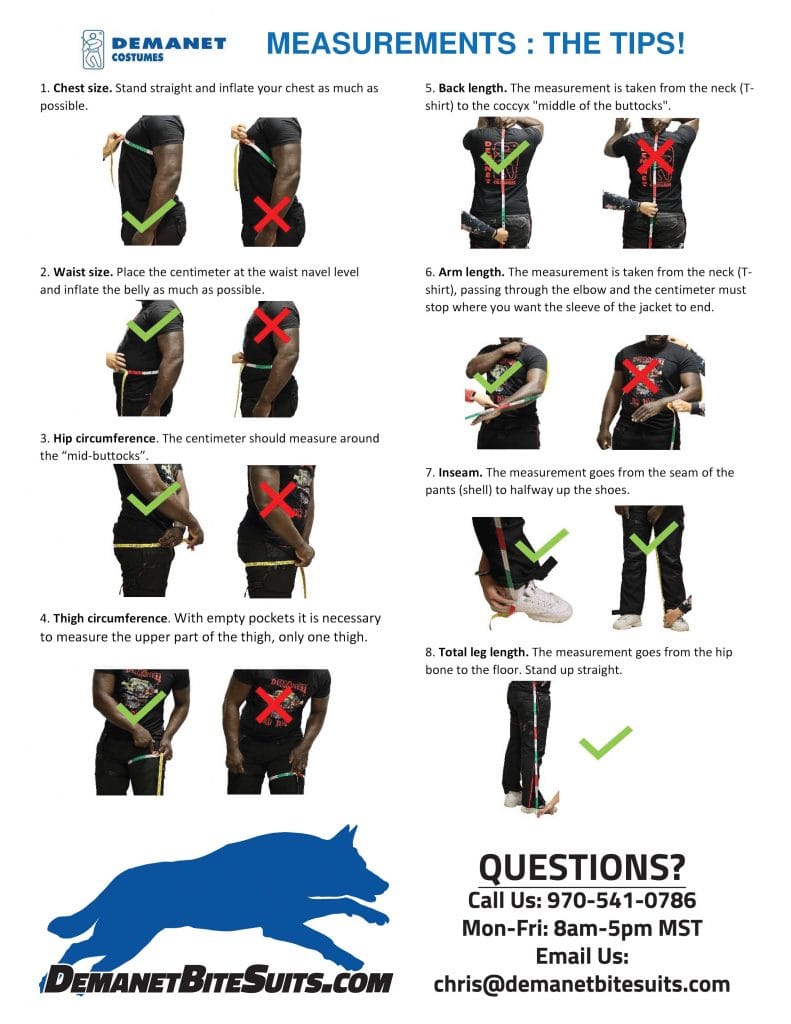
A properly fitting suit is essential for both safety and effectiveness. It should allow for a good range of motion – bending, running, and even falling without restricting the decoy. Too loose, and it could be cumbersome; too tight, and it could limit necessary movements or even tear. Many manufacturers offer custom sizing.
Ease of Use and Durability
Consider how easy the suit is to put on and take off. Heavy-duty zippers, secure Velcro closures, and adjustable straps contribute to a practical design. The overall durability will determine the suit’s lifespan, especially under demanding training conditions.
Cost vs. Quality
While budget is always a consideration, investing in a high-quality bite suit is often more cost-effective in the long run. A poorly made suit can fail, leading to injuries and the need for replacement sooner. Look for suits from reputable manufacturers known for their craftsmanship and materials.
Using Bite Suits Safely and Effectively
Simply owning a bite suit isn’t enough; knowing how to use it correctly is vital for successful and safe training.
Proper Fitting and Adjustment
Before any training session, ensure the suit is fitted correctly and all closures are secure. Loose straps or ill-fitting sections can create vulnerable points. Familiarize yourself with the suit’s design to understand its protective zones.
Gradual Introduction for the Dog
When introducing a dog to a bite suit, start slowly. Allow the dog to see and sniff the suit. Begin with very basic retrieves or tugs on a part of the suit, gradually increasing the intensity as the dog becomes comfortable and builds confidence. This process is crucial for building positive associations.
Understanding Decoy Techniques
Effective bite suit use involves more than just wearing the suit. Decoys need to understand how to move, signal, and control the dog’s engagement. Techniques vary depending on the training discipline (e.g., Schutzhund, French Ring, K9 patrol work). Proper decoy work teaches the dog bite inhibition, target selection, and reliable release. For advanced training, consider seeking guidance from experienced decoys or trainers.
Maintenance and Care
Proper care extends the life of your bite suit and ensures its continued effectiveness. Clean the suit regularly according to the manufacturer’s instructions, paying attention to any dirt or debris that could compromise the material. Inspect the suit for any signs of wear and tear, such as loose stitching or worn padding, and repair them promptly. Store the suit in a dry, well-ventilated area.
Beyond the Suit: The Role of the Decoy
The decoy, the person wearing the bite suit, is as critical as the suit itself. A skilled decoy understands canine behavior, training methodologies, and the specific goals of the training session. They are responsible for:
- Eliciting the Desired Behavior: Using body language and controlled movements to encourage the dog to bite appropriately.
- Controlling the Engagement: Managing the intensity and duration of the bite.
- Teaching Bite Inhibition: Training the dog to control the pressure of their bite.
- Ensuring Safety: Protecting both themselves and the dog throughout the exercise.
How Decoy Work Complements Bite Suits
The bite suit provides the physical protection, but it’s the decoy’s skill that truly shapes the dog’s behavior. A decoy might use specific movements to simulate a threat, reward a good hold, or call off the dog. For instance, in protection sports, a decoy might simulate a “flight” drive to encourage pursuit, then a “fight” drive upon apprehension. The suit allows the decoy to do this repeatedly and safely. Understanding the nuances of bite suit dog training is a skill in itself, often learned through mentorship and practice.
When to Use a Bite Suit
Bite suits are not for casual play or basic obedience training. They are specialized tools used for specific training objectives:
- Protection Sports: Such as Schutzhund (IPO/IGP), French Ring, Mondio Ring, and Belgian Ring, where protection work is a core component.
- Professional Working Dogs: Training for police K9 units, military working dogs, or security dogs requires robust bite training.
- Advanced Drive Development: For dogs exhibiting high prey drive that needs to be channeled and controlled.
- Bite Inhibition Training: Teaching dogs to control the pressure of their bite.
If you are considering service dog training Michigan or looking into dog obedience training classes Petco, a bite suit is generally not relevant. However, for those pursuing the demanding disciplines of protection or guard dog work, a guard dog training classes program will invariably involve bite suits and related equipment like a dog training bite sleeve.
Frequently Asked Questions About Dog Training Bite Suits
Q: At what age can a dog start training with a bite suit?
A: It’s generally recommended to wait until a dog is physically mature, typically around 12-18 months, depending on the breed and its development. Initial introduction should be very gentle and focused on positive association rather than intense work.
Q: Can any dog be trained with a bite suit?
A: While many dogs can be trained using bite suits, it’s most appropriate for breeds with natural drives suited for protection work and for specific training disciplines. Not all dogs are candidates for or require this type of training.
Q: How do I clean and maintain my bite suit?
A: Most bite suits can be spot-cleaned or hand-washed with mild detergent and cool water. Always check the manufacturer’s specific care instructions. Ensure the suit is thoroughly dried before storing to prevent mildew.
Q: What’s the difference between a bite suit and a bite sleeve?
A: A bite suit is a full protective garment worn by a person, covering the torso, arms, and legs. A bite sleeve is a smaller, more targeted piece of equipment, usually worn on the arm, often used for introductory training or specific drills.
Q: Is bite suit training cruel to dogs?
A: When conducted by experienced professionals with proper equipment and methodologies, bite suit training is not cruel. It channels a dog’s natural drives in a controlled, safe environment, teaching them bite inhibition and control. The focus is on developing a well-behaved and reliable working dog.
The Story Continues: Mastering the Art of Canine Protection Training
The world of dog training is vast and varied, and the use of specialized equipment like bite suits is a testament to the dedication required for disciplines like protection work. A high-quality dog training bite suit is more than just protective gear; it’s an investment in the safety of the decoy, the effectiveness of the training, and the overall development of a capable canine partner. By understanding the nuances of these suits, choosing wisely, and employing them with skill and care, trainers can unlock a dog’s full potential in a way that is both secure and rewarding.
