
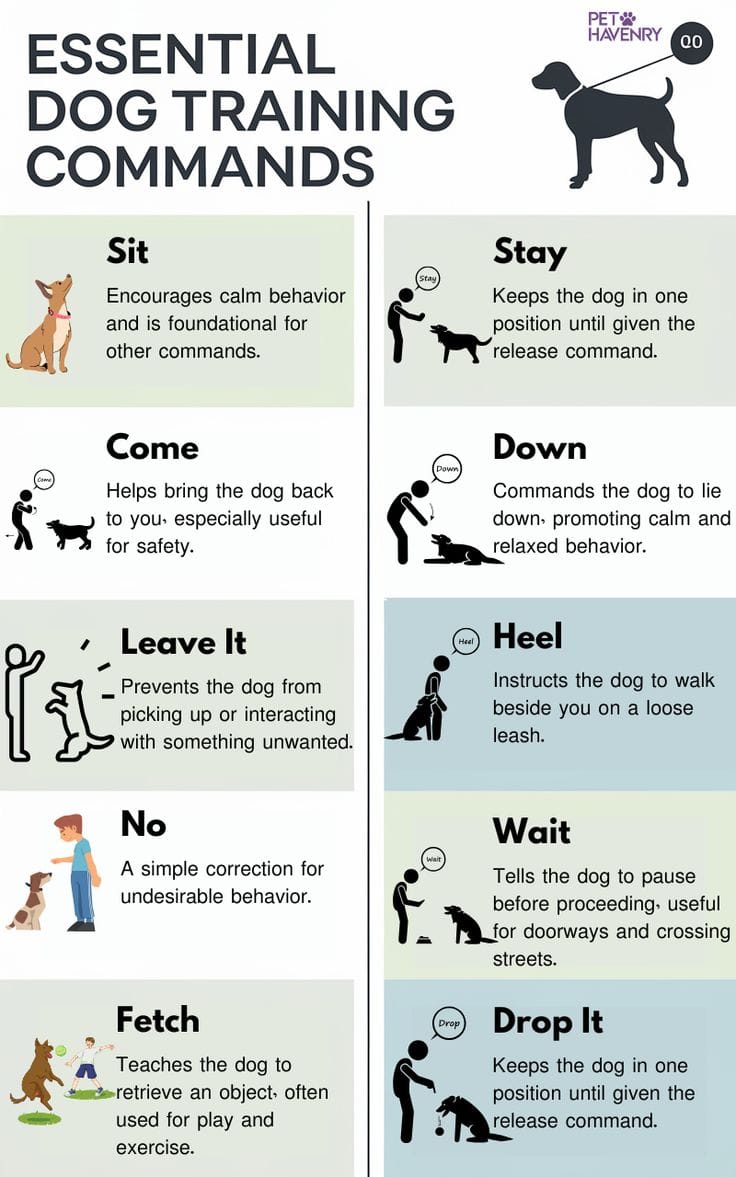
Welcome to the exciting world of dog ownership! Bringing a new dog into your life is an incredibly rewarding experience, but it also comes with responsibilities, and at the forefront of these is training. Establishing good training habits from the start is crucial for building a strong bond with your canine companion and ensuring they become a well-behaved member of your family and community. This guide will walk you through the fundamental Dog Training Basics For Beginners, setting you and your dog up for success.
Understanding Your Dog: The Foundation of Training
Before diving into specific commands, it’s essential to understand how dogs learn and what motivates them. Dogs are intelligent creatures who thrive on routine, positive reinforcement, and clear communication. They learn through association, meaning they connect actions with consequences. This is why positive reinforcement – rewarding desired behaviors – is so effective.
- Positive Reinforcement: This involves rewarding your dog immediately after they perform a desired action. Rewards can include treats, praise, toys, or petting. The key is consistency and timing.
- Consistency is Key: Everyone in the household should use the same commands and reward system. Inconsistency can confuse your dog and slow down the learning process.
- Patience: Every dog learns at their own pace. Some pick things up quickly, while others need more time and repetition. Celebrate small victories and don’t get discouraged by setbacks.
Essential Commands Every Dog Should Know
There are several fundamental commands that form the backbone of basic dog training. Mastering these will not only help with your dog’s behavior but also enhance your communication and relationship.
1. Sit
The “Sit” command is often the first one new dog owners teach. It’s a versatile command that can help manage your dog’s excitement and prevent jumping.
How to Teach:
- Hold a treat near your dog’s nose.
- Slowly move the treat upwards and slightly over their head. As their nose follows the treat, their rear end will naturally lower into a sit.
- As soon as their bottom touches the ground, say “Sit!” and give them the treat and praise.
- Repeat this process several times a day. Once they consistently sit when you lure them, start using the verbal cue “Sit” without the lure, then reward.
2. Stay
The “Stay” command teaches your dog impulse control and is vital for safety, especially around distractions or when opening doors.
How to Teach:
- Ask your dog to “Sit.”
- Hold your hand up in a “stop” signal and say “Stay.”
- Take a single step back. If your dog remains seated, immediately return, reward them, and release them with a word like “Okay!” or “Free!”
- Gradually increase the distance you step away and the duration they must stay. If they move, gently guide them back to the original spot and try again with a shorter distance or duration.
3. Come (Recall)
A reliable recall is perhaps the most critical command for your dog’s safety. A strong “Come” command ensures your dog will return to you when called, no matter the distraction.
How to Teach:
- Start in a quiet, enclosed area.
- Get down on your dog’s level, use an excited tone, and say “[keyword] Come!”
- When they run to you, reward them enthusiastically with treats and praise.
- Practice this frequently, gradually increasing the distractions and distance. Never use “Come” for punishment, as this will make them hesitant to return.
4. Down
The “Down” command is similar to “Sit” but involves your dog lying down. It’s a calming position and useful for managing boisterous dogs.
How to Teach:
- Ask your dog to “Sit.”
- Hold a treat near their nose and slowly lower it towards the ground between their front paws.
- Continue lowering the treat until your dog is lying down to follow it.
- As they lie down, say “Down!” and reward them.
- Practice consistently, eventually using the verbal cue without the lure.
Leash Training: Walking Nicely
Walking nicely on a leash is another crucial aspect of basic dog training. A dog that pulls constantly can make walks unpleasant and even dangerous.
Tips for Leash Training:
- Use a comfortable harness or collar: Ensure it fits well and doesn’t cause discomfort.
- Reward loose-leash walking: When your dog walks beside you without pulling, offer praise and treats.
- Stop when they pull: If your dog pulls ahead, simply stop walking. Only resume when the leash slackens. This teaches them that pulling stops the walk.
- Practice in quiet areas first: Gradually introduce more distracting environments as your dog improves. This is similar to the principles in dog agility training basics where controlled environments are key.
Socialization: Building a Confident Dog
Socialization is the process of exposing your puppy to various people, places, sounds, and other animals in a positive and controlled manner. Proper socialization is vital for raising a well-adjusted and confident dog.
Key Elements of Socialization:
- Early Exposure: The critical socialization window for puppies is between 3 and 16 weeks old.
- Positive Experiences: Ensure all introductions are positive and not overwhelming for your puppy.
- Variety: Expose your puppy to different breeds, sizes, ages, and temperaments of dogs. Also, introduce them to people of all ages, genders, and appearances.
- New Environments: Visit parks, pet-friendly stores, and different neighborhoods.
For those looking into more advanced activities, understanding basic dog training youtube channels can offer visual guides, but early socialization remains paramount.
Addressing Common Behavioral Issues
Even with the best training, some common behavioral issues may arise. Understanding how to address them is part of being a responsible dog owner.
Jumping Up
Dogs often jump to greet people. To discourage this, always turn away or step back when your dog jumps. Only give attention and praise when all four paws are on the floor. You can also teach them to “Sit” for greetings. This ties into teaching basic things to teach your puppy as early as possible.
Barking
Excessive barking can stem from various reasons, including boredom, attention-seeking, or anxiety. Identify the cause and address it accordingly. For boredom, provide more mental and physical stimulation. For attention-seeking, ignore the barking and reward quiet behavior.
The Role of Play and Mental Stimulation
Training isn’t just about commands; it’s also about engaging your dog’s mind and body. Playtime and mental exercises are crucial for a happy, healthy dog.
- Interactive Toys: Puzzle toys that dispense treats can keep your dog entertained and mentally stimulated.
- Games: Games like fetch, hide-and-seek, or tug-of-war strengthen your bond and provide exercise.
- Training Sessions: Keep training sessions short, fun, and varied. This keeps your dog engaged and eager to learn. The principles of basic agility training for dogs can be adapted into fun games at home.
When to Seek Professional Help
While these dog training basics for beginners are a great starting point, some challenges may require professional assistance. If you’re struggling with severe behavioral issues, aggression, or extreme fear and anxiety, consult a certified professional dog trainer or a veterinary behaviorist. They can provide tailored guidance and support. Resources like gun dog training basics might offer specialized insights, but general behaviorists are equipped for a broader range of issues.
Embarking on your dog’s training journey is a commitment, but it’s one that yields immense rewards. By understanding your dog, being consistent, patient, and employing positive reinforcement, you’ll build a foundation for a lifelong, loving relationship. Happy training!
