
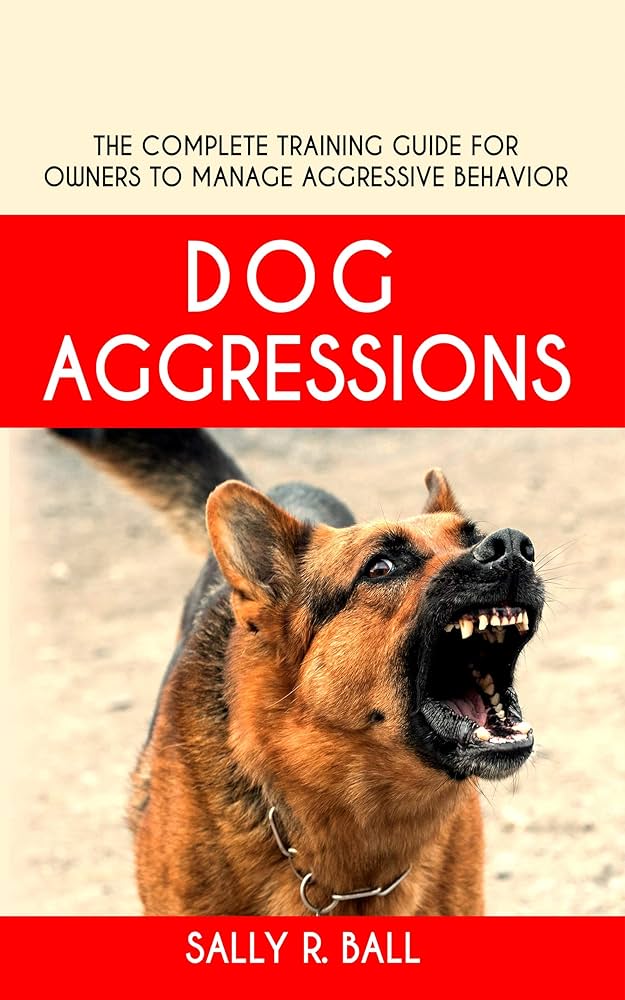
The relationship between humans and dogs is one of the most rewarding bonds we can experience. It’s a partnership built on trust, communication, and mutual understanding. However, this connection doesn’t happen by magic. The key to a harmonious life with your furry friend lies in understanding their world and guiding them effectively. This is where a solid foundation in Dog Training And Behavior becomes essential, transforming potential challenges into opportunities for growth and strengthening your bond.
At its core, training is a form of communication. It’s about learning to speak your dog’s language while teaching them to understand yours. By focusing on positive, science-backed methods, you can cultivate a well-mannered companion who is confident, happy, and a joy to be around. For those looking to deepen their knowledge, exploring various dog training and behaviour courses can provide structured and expert-led guidance on this journey.
Understanding Canine Communication: More Than Just Barks
Before you can effectively train your dog, you must first learn to listen. Dogs communicate a rich tapestry of emotions and intentions through their bodies and voices. Misinterpreting these signals is often the root of many behavioral issues.
Decoding Dog Body Language
A dog’s body is a constant broadcast of their emotional state. Learning to read these signals is like gaining a superpower.
- Tail: A wagging tail doesn’t always mean happiness. A high, stiff wag can signal arousal or agitation, while a low, tucked tail indicates fear or submission. A relaxed, sweeping wag is the one that truly signals a happy, confident dog.
- Ears: A dog’s ears are like satellite dishes for emotion. Pricked forward ears show focus and interest. Ears pulled back and flat against the head can mean fear or appeasement. Relaxed, neutral ears suggest a calm state of mind.
- Posture and Mouth: A “play bow”—front end down, back end up—is a clear invitation to play. Conversely, a stiff, forward-leaning posture can be a sign of assertiveness or aggression. A relaxed, open mouth with a lolling tongue is a sign of a content dog, while a closed mouth with pulled-back lips signals stress or fear.
The Meaning Behind Vocalizations
Barks, whines, and growls are not just noise; they are distinct forms of communication. A sharp, repetitive bark might be an alarm, a long, mournful howl can be a sign of loneliness or a way to connect with other dogs, and a low, rumbling growl is an unmistakable warning to back off. Paying attention to the pitch, frequency, and context of these sounds will help you understand what your dog is trying to tell you.
The Foundations of Effective Dog Training
Modern, effective dog training is rooted in behavioral science. It emphasizes building a positive relationship and motivating your dog to want to work with you, rather than fearing punishment. This approach is not only more humane but also yields more reliable and lasting results. Many successful trainers, like those found in every dog behavior and training reviews, build their entire philosophy on this foundation.
Positive Reinforcement: The Science of Success
The most effective and widely endorsed method of dog training is positive reinforcement. The principle is simple: reward the behaviors you want to see more of. When your dog performs a desired action (like sitting), you immediately follow it with something they value—a tasty treat, enthusiastic praise, or a favorite toy.
“Positive reinforcement isn’t just about giving treats,” notes Dr. Sarah Miller, a leading veterinary behaviorist. “It’s about creating a learning environment where the dog associates good choices with positive outcomes. This builds confidence and strengthens the human-animal bond, making the dog an enthusiastic partner in the training process.”
This method teaches your dog what to do, rather than just punishing them for what not to do, which can create anxiety and confusion.
Essential Commands Every Dog Should Know
Mastering a few basic commands provides the building blocks for a well-behaved dog and can even be life-saving.
- Sit: Often the first command taught, “sit” is a great way to manage excitement and teach focus.
- Stay: This command teaches impulse control and is crucial for safety in many situations.
- Come: Perhaps the most important command, a reliable recall can prevent your dog from running into a dangerous situation, like traffic.
- Down: A “down” or “lie down” command is a useful tool for calming an over-excited dog.
- Leave It: This command tells your dog not to pick up something they shouldn’t, protecting them from ingesting dangerous items.
The Role of Consistency and Patience
Dogs thrive on routine and predictability. Consistency is the golden rule of training. Everyone in the household should use the same commands and rules. If one person allows the dog on the couch and another doesn’t, the dog will become confused. Equally important is patience. Every dog learns at a different pace. Keep training sessions short, fun, and positive, and always end on a successful note.
Solving Common Dog Behavior Problems
Even the best-behaved dogs can develop problematic habits. The key is to understand the root cause of the behavior and address it with training and management, not just suppression. Insights from renowned experts like jay jack dog trainer often focus on understanding the ‘why’ behind a dog’s actions.
Why Is My Dog Barking Excessively?
Barking is a natural dog behavior, but when it becomes excessive, it’s often a symptom of an underlying issue. Common triggers include boredom, fear, territorial defense, or separation anxiety. The solution lies in identifying the trigger. A bored dog needs more physical exercise and mental stimulation. A fearful dog needs confidence-building exercises. A territorial dog may need to have their view of the street blocked.
How to Stop Destructive Chewing
Chewing is a natural and necessary activity for dogs, especially puppies. The goal isn’t to stop the chewing, but to redirect it onto appropriate items.
- Provide Plenty of Chew Toys: Rotate a variety of durable, safe chew toys to keep your dog interested.
- Dog-Proof Your Home: Manage the environment by keeping tempting but inappropriate items (like shoes and remote controls) out of reach.
- Redirect: If you catch your dog chewing something they shouldn’t, calmly interrupt them and immediately offer an appropriate chew toy. Praise them enthusiastically when they take it.
Addressing Separation Anxiety
Separation anxiety is a genuine panic disorder where a dog becomes highly distressed when left alone. Symptoms can include destructive behavior, constant barking or howling, and house soiling. This is a complex issue that often requires a multi-faceted approach, including desensitization exercises, creating a “safe space” like a crate, and ensuring the dog has plenty of exercise before being left alone. For severe cases, consulting a professional is highly recommended.
Leash Pulling and How to Fix It
A dog that pulls on the leash can turn a pleasant walk into a frustrating chore. Dogs pull because it’s self-rewarding—it gets them where they want to go faster. To fix this, you must teach them that a loose leash is what makes the walk continue. When your dog pulls, simply stop walking. Stand still and wait. The moment the leash goes slack, praise them and resume walking. This requires immense patience but is incredibly effective long-term.
When to Seek Professional Help
While many common issues can be resolved with patience and consistency, some dog training and behavior challenges require professional guidance. Don’t hesitate to seek help if you feel overwhelmed or if your dog is exhibiting serious issues like aggression or severe anxiety.
The Role of a Certified Dog Trainer
A certified professional dog trainer can provide personalized guidance and a structured training plan. They can teach you how to communicate more effectively with your dog and troubleshoot specific problems. Look for trainers who are certified by reputable organizations and who use positive, science-based methods. Professionals like lori hamilton dog trainer and shane murray dog trainer exemplify the kind of expertise that can make a significant difference.
Consulting a Veterinary Behaviorist
For severe issues like extreme fear, aggression, or compulsive behaviors, a veterinary behaviorist is the most qualified professional to consult. These are licensed veterinarians who have undergone extensive additional training in animal behavior. They can diagnose and treat complex behavioral disorders, which may include a combination of behavior modification therapy and, in some cases, medication.
In conclusion, the journey of dog training and behavior is not about achieving perfection or dominance. It is a dynamic and ongoing process of building a language of mutual respect and understanding with your canine companion. By investing time in positive training and learning to interpret your dog’s unique way of communicating, you are not just shaping a well-behaved pet—you are nurturing one of life’s most profound and joyful relationships.
