
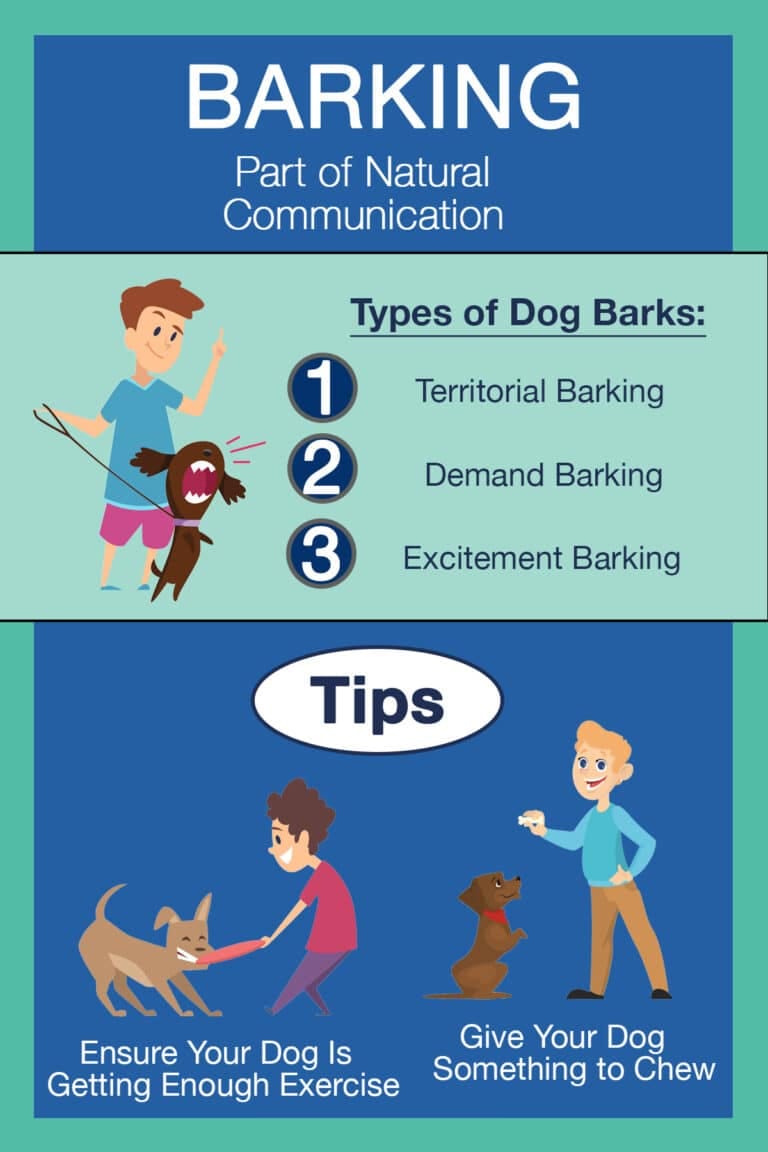
Is your dog’s barking driving you and your neighbors up the wall? You’re not alone. Excessive barking is one of the most common canine behavior issues, but with the right approach and understanding, you can significantly reduce it. This guide dives deep into effective dog training advice to tackle barking and help your furry friend find their quiet voice.
Understanding Why Dogs Bark
Before we jump into solutions, it’s crucial to understand that barking is a natural form of communication for dogs. They bark to alert us, express excitement, signal fear, seek attention, or simply because they’re bored. Identifying the root cause of the barking is the first step in addressing it.
Common Triggers for Barking:
- Alert/Territorial Barking: This happens when a dog perceives a threat or an stranger approaching their territory. Think mail carriers, people walking by the window, or even unusual noises.
- Excitement/Greeting Barking: Your dog is thrilled to see you or greets guests with enthusiastic barks.
- Attention-Seeking Barking: They’ve learned that barking gets them what they want – food, playtime, or petting.
- Boredom/Loneliness Barking: Dogs left alone for long periods or without sufficient mental and physical stimulation may bark out of frustration or loneliness.
- Fear/Anxiety Barking: Loud noises, unfamiliar situations, or separation anxiety can trigger fearful barking.
- Compulsive Barking: In some cases, barking can become a compulsive habit, often stemming from underlying anxiety or frustration.
Effective Dog Training Advice to Manage Barking
Once you’ve identified the trigger, you can implement targeted training strategies. Consistency and patience are key.
1. Addressing Alert/Territorial Barking
The goal here is to desensitize your dog to triggers and teach them a “quiet” cue.
- Manage the Environment: Block your dog’s view of windows or gates where they typically bark at passersby. Use frosted window film or keep blinds closed.
- “Quiet” Command: When your dog barks at a trigger, wait for a brief pause, then say “Quiet” in a calm, firm voice and immediately reward them with a high-value treat. Gradually increase the duration of silence required before rewarding.
- Desensitization and Counter-Conditioning: Gradually expose your dog to the trigger at a distance where they don’t bark. Reward them for remaining calm. Slowly decrease the distance over many sessions. For example, have someone walk past your house at a distance, rewarding your dog for not barking. As they get more comfortable, have the person walk closer.
- “Speak” Command (Counter-intuitive but effective): Teach your dog to bark on command. This gives you control over when they bark. Once they master “Speak,” you can then teach “Quiet.”
2. Tackling Excitement/Greeting Barking
This type of barking is often linked to over-arousal. The key is to teach your dog to remain calm during greetings.
- Leash Training: Keep your dog on a leash when guests arrive. This provides a sense of control and allows you to manage their excitement.
- “Sit” for Greetings: Teach your dog to sit when people come to the door. Reward them for sitting calmly. Do not allow them to greet guests until they are settled.
- Ignore Over-Excited Behavior: If your dog barks excessively upon seeing someone, have the guest ignore them until they calm down. Once they are quiet, they can receive attention. This teaches them that calm behavior earns rewards.
3. Stopping Attention-Seeking Barking
This requires you to be disciplined and ignore the barking until it stops.
- Withhold Reinforcement: Do not look at, talk to, or touch your dog when they are barking for attention. Wait for a moment of silence, then immediately give them the attention they crave. This clearly teaches them that quiet behavior gets rewarded.
- Provide Sufficient Stimulation: Ensure your dog gets enough exercise and mental enrichment throughout the day. A tired dog is less likely to bark for attention due to boredom. Consider puzzle toys or interactive games. This is part of effective good citizen dog training.
4. Alleviating Boredom/Loneliness Barking
This is often seen in dogs left alone for extended periods.
- Increase Exercise: Ensure your dog gets adequate physical activity before you leave them alone. A good walk or play session can significantly reduce pent-up energy.
- Mental Stimulation: Provide long-lasting chew toys, puzzle feeders, or a “snuggle puppy” toy to keep them occupied and combat loneliness.
- Consider Doggy Daycare or a Dog Walker: If you’re gone for long hours, professional help can make a world of difference.
- Gradual Desensitization to Departures: Practice leaving for short periods, gradually increasing the time. This helps dogs with separation anxiety adjust.
5. Managing Fear/Anxiety Barking
This is often the most challenging type of barking and may require professional help.
- Identify the Fear Source: Pinpoint what triggers your dog’s fear (e.g., thunderstorms, fireworks, specific sounds).
- Create a Safe Space: Provide a den-like area (crate, bed in a quiet room) where your dog feels secure.
- Desensitization and Counter-Conditioning: Similar to territorial barking, slowly expose your dog to the frightening stimulus at a low intensity, pairing it with positive reinforcement. This process can be lengthy and should be done with extreme care.
- Consult a Professional: For severe anxiety or fear-based barking, consult a certified professional dog trainer or a veterinary behaviorist. They can develop a tailored plan, which may include behavior modification techniques and potentially medication. Training your dog is essential, and understanding how to train a dog on a leash can be a foundational step.
Crucial Tips for Success
- Consistency is Paramount: Everyone in the household must follow the same rules and training methods.
- Patience is a Virtue: Changing ingrained behaviors takes time. Celebrate small victories and don’t get discouraged by setbacks.
- Positive Reinforcement: Reward desired behaviors (quietness) with treats, praise, and affection. Avoid punishment, which can increase fear and anxiety.
- Never Yell at Your Dog to Stop Barking: This often sounds like you’re barking along with them and can escalate the problem.
- Seek Professional Help: If you’re struggling, don’t hesitate to contact a qualified trainer. They can provide personalized guidance. For those in specific areas, resources like the lincolnwood dog training club or san diego dog obedience training can be invaluable.
Conclusion
Effectively managing your dog’s barking involves understanding the underlying cause and applying consistent, patient training. By implementing these dog training advice strategies, you can help your canine companion become a quieter, happier member of your household and community. Remember, a well-behaved dog is a joy to live with, and achieving that is a journey worth undertaking.
