
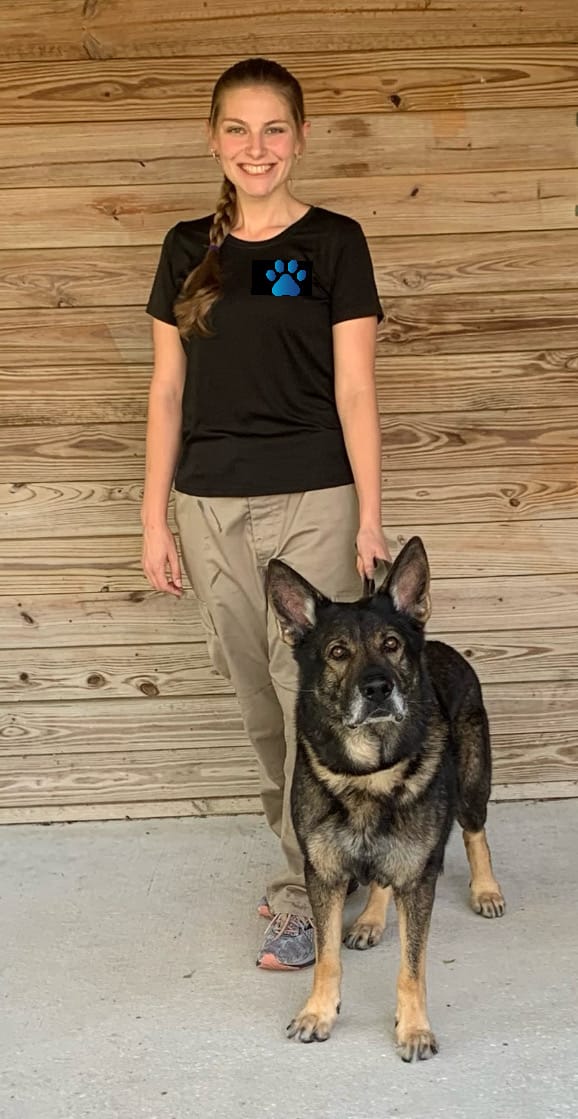
Are you struggling to keep your canine companion by your side during walks? The “next to me” command, often referred to as “heel” or “loose-leash walking,” is fundamental for a harmonious relationship with your dog. It’s not just about obedience; it’s about safety, control, and enjoying outings without the constant tug-of-war. As a professional in the world of “Dog Care Story,” I’m here to guide you through the essentials of teaching your dog to walk politely next to you, transforming your walks into a peaceful, connected experience. This guide will delve into the ‘dog trainer’s walk next to me’ philosophy, offering practical steps and insights.
Understanding the “Next to Me” Command
At its core, the “next to me” command signifies that your dog should walk comfortably by your side, maintaining a loose leash, without pulling ahead or lagging behind. This isn’t about forcing your dog into an unnatural position; it’s about teaching them to offer polite companionship. A professional dog trainer understands that this command is built on positive reinforcement, clear communication, and understanding your dog’s motivations. It requires patience and consistency, but the rewards – relaxed walks and a stronger bond – are immense.
The Foundation: Building Trust and Communication
Before you even step out the door, establishing a strong foundation of trust and communication is paramount. Your dog needs to see you as a reliable leader and partner. This involves:
- Consistent Daily Routines: Dogs thrive on predictability. Regular feeding times, potty breaks, and training sessions help your dog feel secure and understand expectations.
- Positive Reinforcement: This is the cornerstone of modern dog training. Rewarding desired behaviors with treats, praise, or toys strengthens the association between good actions and positive outcomes.
- Understanding Dog Body Language: Learning to read your dog’s signals – tail wags, ear positions, posture – allows you to anticipate their needs and reactions, preventing potential problems before they arise.
- Building a Strong Bond: Simply spending quality time with your dog, engaging in play, and offering affection deepens your connection, making them more eager to please you.
Step-by-Step Guide: Teaching the “Next to Me” Command
Teaching the “next to me” command is a process that requires breaking it down into manageable steps. We’ll start in a controlled environment and gradually increase distractions.
Step 1: Introducing the Concept (Indoors)
- Choose Your Reward: Select high-value treats that your dog absolutely loves. Small, soft treats are ideal as they can be delivered quickly.
- Luring the Position: Stand with your dog on your left side (or right, if you prefer). Hold a treat near your dog’s nose and lure them into the desired position next to your leg.
- Mark and Reward: As soon as your dog is in the correct position, say your marker word (e.g., “Yes!” or “Good!”) and immediately give them the treat.
- Add the Cue: Once your dog reliably follows the lure, start saying your chosen cue word (e.g., “Next to me,” “Heel,” “Close”) just as you begin to lure them.
- Short Steps: Take just one or two steps forward while luring. Mark and reward your dog for staying in position.
- Gradual Increase: Slowly increase the number of steps you take, always marking and rewarding your dog for staying with you. Keep these initial sessions very short – just a few minutes.
Step 2: Adding Movement and Duration
- Walking with the Cue: Begin walking short distances indoors, using your cue. Reward your dog frequently for staying close.
- Varying Pace: Practice walking at different speeds – slow, normal, and slightly faster.
- Turning Practice: Incorporate turns. When you turn, lure your dog to keep them with you, then mark and reward. This teaches them to adjust their position.
- Duration: Gradually increase the amount of time your dog stays in the correct position before receiving a reward.
Step 3: Introducing the Leash
- Loose Leash Walking: Attach a lightweight leash indoors. The goal is to keep the leash slack. If your dog pulls, stop moving. Only resume walking when the leash slackens.
- Reinforce the Position: Continue marking and rewarding your dog for walking nicely by your side with a loose leash.
- Gentle Guidance: If your dog moves too far ahead or to the side, use a gentle leash correction to guide them back, immediately followed by praise and a treat when they return to position.
Step 4: Transitioning Outdoors (Low Distraction Areas)
- Quiet Environments: Start in your backyard or a very quiet street with minimal distractions.
- Repeat Indoor Steps: Replicate the steps you practiced indoors, focusing on rewarding your dog for maintaining the “next to me” position.
- Manage Distractions: If your dog gets distracted, calmly redirect their attention back to you and the task at hand. This might involve a quick lure and reward, or a brief pause until they refocus.
Step 5: Increasing Distractions and Generalization
- Gradual Exposure: Slowly introduce more challenging environments: parks, sidewalks with light foot traffic, etc.
- Real-World Practice: Use online dog training courses as a reference for dealing with common distractions.
- “Oops” Moments: If your dog pulls or gets distracted, don’t get discouraged. Simply stop, wait for the leash to slacken, and then continue. Consistent management is key. You can also try using how to use clicker to train dog to mark desired behavior more precisely.
- Proofing: Practice in various locations and at different times of day to ensure your dog understands the command everywhere. This is where the real value of private dog training lessons can be seen in consistent progress.
Troubleshooting Common Issues
Even with the best intentions, challenges can arise. Here are some common problems and how to address them:
My Dog Constantly Pulls Ahead
- Problem: Your dog has learned that pulling gets them where they want to go faster.
- Solution: Implement a “stop-start” method. Whenever the leash tightens, stop immediately. Only resume walking when your dog gives you slack. Reward generously for loose-leash walking. Consider that some breeds naturally have a stronger urge to pull, and patience is especially crucial with them.
My Dog Falls Behind or Wanders Off
- Problem: Your dog might be bored, confused, or hesitant.
- Solution: Make yourself more exciting! Use a cheerful tone of voice, carry engaging toys, and reward your dog enthusiastically for staying with you. Shorten your training sessions if your dog seems disengaged. Ensure you’re not walking too fast for your dog’s comfort.
My Dog Gets Easily Distracted by Everything
- Problem: The environment is too overwhelming.
- Solution: Start in less distracting areas and gradually increase the challenge. Practice impulse control exercises separately, like “leave it.” When a distraction occurs, try to redirect your dog’s focus back to you before they fully engage with the distraction. Sometimes, a quick change of direction can help. If you’re in an area like Charleston, SC, finding dog obedience training charleston sc can offer localized, expert advice.
The Role of Equipment
The right equipment can significantly aid your training:
- Flat Collar or Martingale Collar: Suitable for most dogs, these offer basic control.
- Harness: A front-clip harness can be very effective in reducing pulling by redirecting your dog’s momentum towards you.
- Leash: A standard 4-6 foot nylon or leather leash is ideal. Avoid retractable leashes, as they offer less control and can be dangerous.
Advanced Techniques and Considerations
- The “Heel” vs. “Next to Me” Distinction: While often used interchangeably, some trainers differentiate. “Heel” may imply a more precise, close position, while “Next to Me” emphasizes loose-leash walking without pulling. Clarify which you are training for.
- Canine Good Citizen (CGC) Programs: These programs offer structured training and socialization, often including loose-leash walking as a key component. Achieving CGC certification is a great goal.
- Professional Help: If you’re consistently struggling, don’t hesitate to seek help from a certified professional dog trainer. They can assess your specific situation and provide tailored guidance. Many offer specialized programs, like how to get a service dog trained, which heavily rely on excellent leash manners.
Conclusion: The Joy of a Well-Walked Dog
Mastering the “next to me” command is a journey, not a destination. It requires dedication, positive reinforcement, and a deep understanding of your dog’s needs. By following these steps and remaining consistent, you can transform your walks from a chore into a cherished bonding experience. Imagine strolling through the park, your dog calmly by your side, enjoying the sights and sounds together. That’s the power of the “dog trainer’s walk next to me” – a testament to the incredible partnership between humans and their canine companions. Remember, every step you take together is a part of your dog’s ongoing story.
