
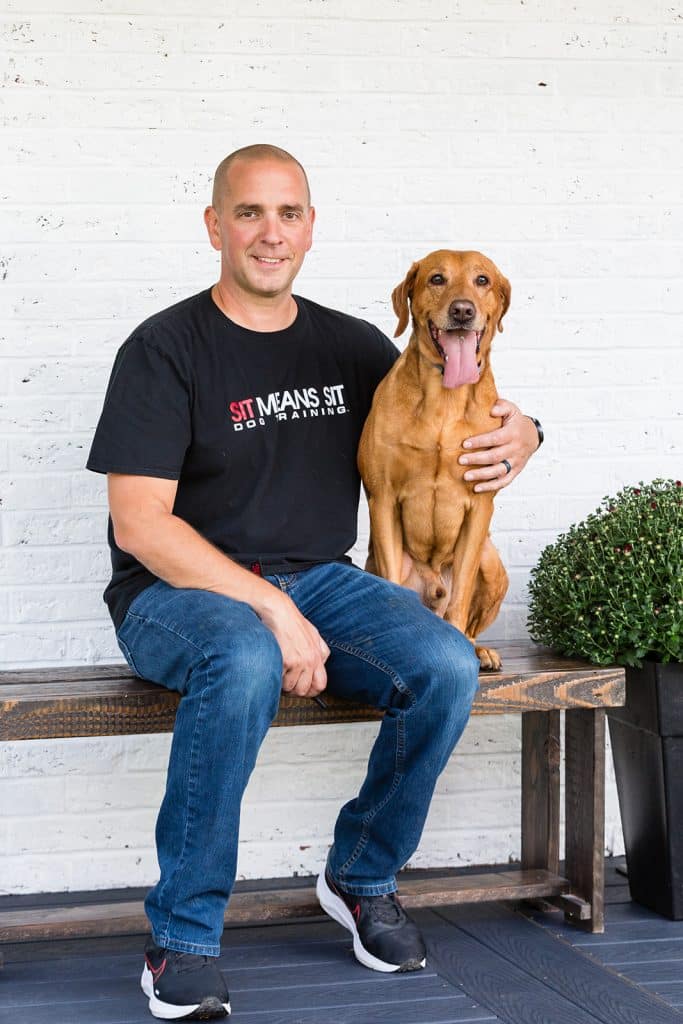
Navigating the bustling streets of New York City with a canine companion can be a joyous experience, but it also comes with unique challenges. Whether you’re welcoming a new puppy, dealing with behavioral issues, or simply want to strengthen your bond, finding a qualified dog trainer in New York, NY, is a crucial step. A good trainer can guide you through everything from basic obedience to complex behavior modification, ensuring your dog is a well-behaved and happy member of your family. This guide will help you understand what to look for and where to find the best dog trainer to meet your specific needs in the vibrant NYC landscape.
Understanding the Role of a Dog Trainer
A dog trainer is more than just someone who teaches “sit” and “stay.” They are educators, behaviorists, and communicators who help bridge the gap between human expectations and canine instincts. In a city like New York, where space can be limited and distractions abound, a professional trainer’s expertise is invaluable. They can help with:
- Basic Obedience: Teaching essential commands that ensure your dog’s safety and good manners in public spaces.
- Behavioral Issues: Addressing common problems like excessive barking, jumping, leash reactivity, separation anxiety, and aggression.
- Socialization: Helping your dog learn to interact appropriately with other dogs and people, a vital skill in a densely populated area.
- Advanced Training: Preparing dogs for specific roles, such as therapy dogs or assistance animals.
- Canine Sports: Engaging your dog in activities like agility or scent work for physical and mental stimulation.
Key Qualities to Look for in a New York Dog Trainer
When searching for a dog trainer in New York, NY, consider these essential qualities:
Certifications and Education
While not always mandatory, certifications from reputable organizations like the Certification Council for Professional Dog Trainers (CCPDT) or the Karen Pryor Academy (KPA) indicate a trainer has met certain educational and experiential standards. Look for trainers who emphasize ongoing education and stay updated on the latest research in canine behavior and learning theory.
Training Philosophy and Methods
This is perhaps the most critical factor. Modern, science-based training methods focus on positive reinforcement, using rewards like treats, praise, and toys to encourage desired behaviors. Avoid trainers who advocate for outdated, punishment-based methods (e.g., choke chains, prong collars, shock collars used punitively), as these can create fear, anxiety, and aggression in dogs. A trainer should explain their methods clearly and how they align with ethical and humane practices. For instance, understanding dog scent work training principles can highlight a trainer’s commitment to positive, engagement-based methods.
Experience and Specialization
Does the trainer have experience with your dog’s breed, size, or specific behavioral issues? Some trainers specialize in puppy socialization, while others excel in rehabilitating dogs with severe behavioral problems. Finding a trainer whose experience aligns with your needs is essential. If you’re dealing with potty training challenges, a trainer experienced in adult dog potty training near me services would be ideal.
Communication and Client Relations
A great trainer is an excellent communicator. They should be able to explain concepts clearly, provide constructive feedback, and listen to your concerns. The training process is a partnership, and you should feel comfortable and confident with your chosen professional. They should also be able to guide you on topics like service dog in training laws by state if applicable to your situation.
References and Reviews
Don’t hesitate to ask for references from past clients or look for online reviews. Testimonials can offer valuable insights into a trainer’s effectiveness and professionalism.
Finding Dog Trainers in New York, NY: Where to Look
New York City offers a plethora of training options, from private lessons to group classes and specialized programs.
Reputable Training Centers and Schools
Many established training centers in NYC offer a wide range of classes and private sessions. These facilities often have multiple certified trainers on staff, allowing you to find a specialist. Searching for “dog training schools NYC” or “puppy classes Manhattan” can yield excellent results. Some centers may also offer locations like sit means sit dog training locations, known for their structured approach.
Private Dog Trainers
For personalized attention, a private dog trainer can be highly beneficial. They can come to your home, office, or meet in a park, tailoring the training environment to your dog’s specific needs and your lifestyle. This is particularly useful for addressing unique challenges or for owners who prefer one-on-one instruction. When considering equipment, a trainer might discuss options for a small dog training collar if your pet is of a smaller breed.
Veterinarian Referrals
Your veterinarian is often a reliable source for recommendations. They frequently work with local trainers and can suggest professionals who align with a health-conscious and humane approach to dog care.
Online Directories and Local Communities
Websites dedicated to pet services often list dog trainers in specific areas. Local dog owner groups on social media can also be a great resource for word-of-mouth recommendations from fellow New Yorkers.
Considerations for Training in NYC
Training a dog in New York City presents unique opportunities and challenges:
- Urban Environment: Trainers should be adept at teaching dogs to handle city distractions like traffic, crowds, and various noises.
- Apartment Living: Many New Yorkers live in apartments, requiring trainers to focus on training that suits smaller living spaces and addresses potential issues like noise sensitivity or confinement anxiety.
- Access to Parks and Training Spaces: While parks are available, they can be crowded. Trainers can help you utilize these spaces effectively for training, perhaps even suggesting less crowded times or alternative quiet areas.
When to Seek Professional Help
You don’t need to wait for a major crisis to hire a trainer. Consider seeking professional guidance if:
- You’re getting a new puppy and want to start off on the right paw.
- Your dog exhibits any signs of fear, anxiety, or aggression.
- You’re struggling with house training, leash pulling, or excessive barking.
- You want to deepen your understanding of your dog’s behavior and strengthen your relationship.
- You’re considering specialized training, such as for a therapy or service dog.
A professional dog trainer in New York, NY, can be an invaluable partner in raising a well-adjusted, happy, and confident canine companion. By understanding what to look for and where to search, you can find the perfect trainer to help you and your dog thrive in the city that never sleeps. Remember, consistent training and a strong bond are the cornerstones of a fulfilling life together, and the right professional can make all the difference in your dog’s story.
