
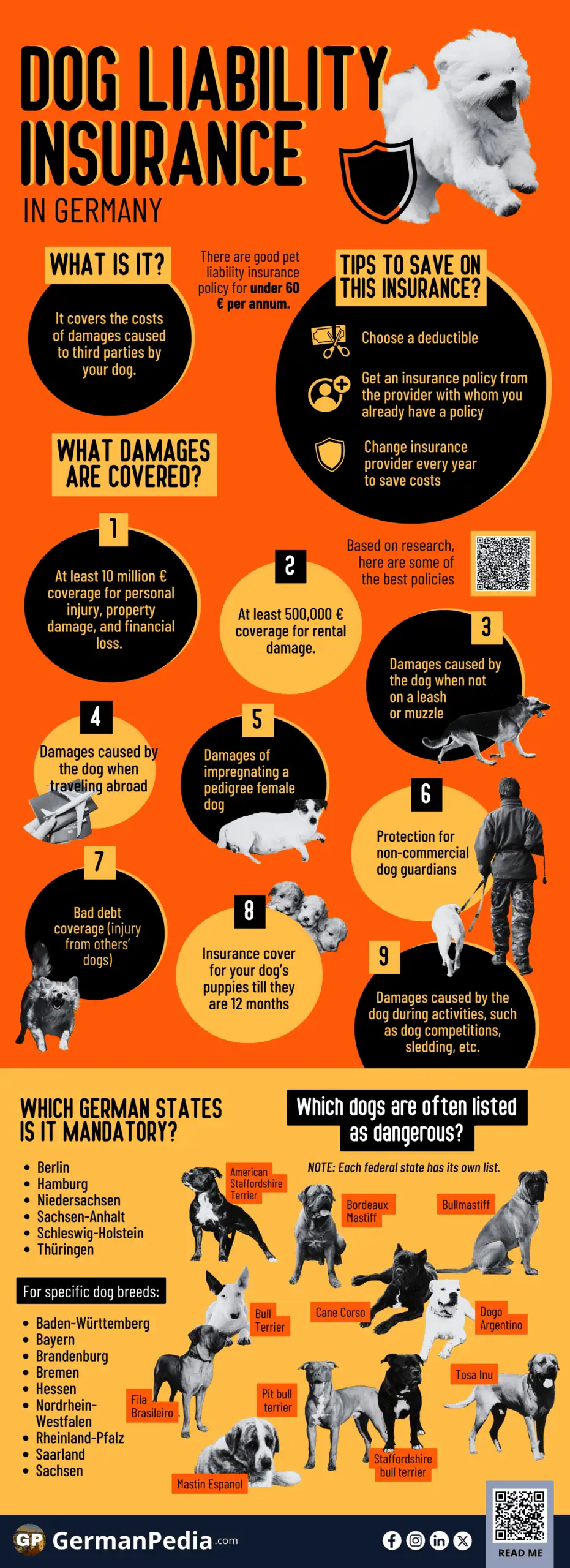
Are you passionate about helping dogs and their owners build stronger bonds? As a dog trainer, you understand the importance of trust and safety in every interaction. However, even with the best intentions and a pristine safety record, unforeseen accidents can happen. This is where Dog Trainer Liability Insurance becomes an essential tool for safeguarding your business and your future. Owning a dog is a significant responsibility, and as a professional working with animals, understanding the risks and having adequate protection is paramount.
Understanding the Risks in Dog Training
The world of dog training, while rewarding, is inherently unpredictable. Dogs, by their nature, can exhibit sudden behavioral changes, and even the most well-behaved canine can react unexpectedly to new stimuli, environments, or training techniques. As a trainer, you are responsible for the safety and well-being of the dogs under your care, as well as the safety of their owners and the general public.
Consider these common scenarios:
- A dog in your training class, while learning a new command, becomes startled and bites another participant or their dog.
- During a private training session at a client’s home, a dog you are working with escapes the yard and causes a traffic accident.
- A tool or piece of equipment you provide for training malfunctions, leading to an injury for the dog or owner.
- A client claims that your training methods caused their dog to develop fear or aggression issues, leading to property damage or injury claims.
These are not just hypothetical situations; they are real possibilities that can lead to significant financial and legal repercussions. Without proper insurance, you could be personally liable for medical bills, property damage, legal defense costs, and even lost wages. This is why understanding dog trainer liability insurance is crucial for any professional in this field.
What is Dog Trainer Liability Insurance?
Also known as professional liability insurance or errors and omissions (E&O) insurance for dog trainers, this type of coverage is specifically designed to protect professionals against claims of negligence, errors, or omissions in the services they provide. For dog trainers, this means protection against claims that your actions, or inaction, led to bodily injury, property damage, or personal injury to a third party.
Key Coverages to Look For:
- General Liability: This is the foundation of business insurance. It covers claims of bodily injury or property damage that occur as a result of your business operations. For example, if a client slips and falls in your training facility, general liability could cover their medical expenses.
- Professional Liability (Errors & Omissions): This is the core coverage specifically for dog trainers. It protects you if a client claims your advice, instruction, or training methods caused them or their pet harm, or resulted in financial loss. This could include claims of ineffective training, causing behavioral problems, or accidental injury to a pet during a session.
- Animal Bailee Coverage (Care, Custody, and Control): This is critical if you board dogs or have dogs in your care for extended training periods. It covers accidental injury, loss, or death of a pet while it is under your direct supervision and control.
- Animal-to-Client Injury: Some policies offer coverage if a dog in your care injures a client or a third party. This is distinct from general liability and specifically addresses incidents involving the animals you train.
- Damage to Premises Rented by You: If you rent space for training, this coverage helps pay for damage you accidentally cause to the rental property.
Why is Dog Trainer Liability Insurance Non-Negotiable?
The argument for obtaining dog trainer liability insurance isn’t just about mitigating risk; it’s about demonstrating professionalism and building a sustainable business.
1. Financial Protection
This is the most immediate benefit. A single lawsuit can be financially devastating, potentially leading to bankruptcy. Insurance acts as a financial safety net, covering legal defense costs, settlements, and judgments, thus protecting your personal assets.
2. Professional Credibility and Trust
Many clients, venues, and even animal shelters will require proof of insurance before hiring a dog trainer. Having liability insurance signals that you are a serious professional who takes responsibility for your actions and is committed to the safety of clients and their pets. It builds trust and can be a deciding factor for clients when choosing a trainer. For instance, when seeking how to get dog training certification, demonstrating professional liability coverage often enhances your credentials.
3. Peace of Mind
Knowing that you are protected against unforeseen events allows you to focus on what you do best: training dogs. You can conduct your sessions with greater confidence, experiment with different techniques, and expand your services without the constant worry of potential lawsuits. This peace of mind is invaluable, allowing you to be a more effective and engaged trainer.
4. Meeting Venue Requirements
If you train at public parks, community centers, or partner with pet stores or groomers, these facilities will almost certainly require you to carry liability insurance. They need to protect themselves from potential claims arising from your activities on their premises.
5. Business Growth and Expansion
As your business grows, so do the risks. Whether you are expanding your team, offering new services like dog training long island suffolk, or opening a dedicated training facility, insurance is a scalable solution that grows with you. It allows you to take on more clients and larger projects with confidence.
Factors Influencing Your Premium
The cost of dog trainer liability insurance can vary based on several factors:
- Services Offered: Trainers who offer a wider range of services, especially those involving higher risks like boarding or in-home training, may pay higher premiums. For example, a trainer specializing in aggressive dog rehabilitation in areas like murphy tx dog training might face different rates than someone focused solely on puppy socialization.
- Revenue: Your annual revenue is a primary factor. Higher revenue generally means higher premiums, as it can indicate a larger client base and more potential for claims.
- Years of Experience: More experienced trainers often benefit from lower premiums, as they typically have a proven track record and a deeper understanding of risk management.
- Claims History: A history of claims against your business will significantly increase your premium.
- Coverage Limits and Deductibles: Higher coverage limits and lower deductibles will result in higher premiums, but offer greater financial protection.
- Geographic Location: Premiums can vary based on your location. For example, insurance rates in densely populated areas or regions with higher litigation rates might be more expensive. Trainers in areas like bucks county dog training may see different pricing than those in other regions.
Choosing the Right Insurance Policy
Selecting the right dog trainer liability insurance policy requires careful consideration.
- Assess Your Needs: Honestly evaluate the services you offer, the number of clients you serve, and the potential risks involved. Do you board dogs? Do you conduct group classes? Do you work with high-risk breeds or behavioral issues?
- Research Insurers: Look for insurance providers that specialize in or have significant experience insuring pet professionals. Read reviews and ask for recommendations from other trainers.
- Compare Quotes: Obtain quotes from multiple insurance companies. Don’t just compare premiums; compare coverage limits, exclusions, deductibles, and the reputation of the insurer.
- Understand Exclusions: Be sure to read the policy carefully to understand what is not covered. Common exclusions might include pre-existing conditions of the animal, intentional acts, or incidents occurring outside of covered services.
- Consult an Agent: If you’re unsure about any aspect of the policy, speak with an insurance agent who understands the pet industry. They can help you navigate the options and ensure you have adequate protection.
Beyond Insurance: Best Practices for Risk Management
While dog trainer liability insurance is crucial, it’s only one part of a comprehensive risk management strategy. Implementing sound business practices can significantly reduce the likelihood of claims:
- Clear Contracts and Waivers: Have all clients sign a detailed contract that outlines the services you provide, your training philosophy, fees, cancellation policies, and a liability waiver. This document should clearly state the inherent risks involved in dog training and that you cannot guarantee specific results, as dog behavior is influenced by many factors beyond the training sessions.
- Thorough Client and Dog Assessment: Before starting any training, conduct a detailed assessment of the dog’s history, temperament, and health, as well as the owner’s lifestyle and expectations. This helps you tailor your training plan and identify potential risks early on. For example, understanding a dog’s history might be critical before starting programs similar to dog training salinas ca.
- Safety First Approach: Prioritize safety in all training environments. Ensure your equipment is in good condition, your training space is secure, and your methods are humane and effective.
- Continuous Education: Stay updated on the latest research, techniques, and best practices in dog behavior and training. This not only improves your effectiveness but also demonstrates your commitment to professional development.
- Professional Affiliations: Joining professional organizations for dog trainers can provide access to resources, mentorship, and sometimes even insurance discounts.
Conclusion: Invest in Your Peace of Mind and Business Security
As a dog trainer, you dedicate your skills and passion to improving the lives of dogs and their owners. This noble profession, however, comes with inherent risks. Dog trainer liability insurance is not an optional expense; it is a fundamental investment in the security and longevity of your business. By understanding the risks, securing appropriate coverage, and implementing robust risk management practices, you can train with confidence, knowing that you are protected against the unexpected. This allows you to focus on building happy, well-behaved canine companions and fostering stronger human-animal bonds for years to come.
