
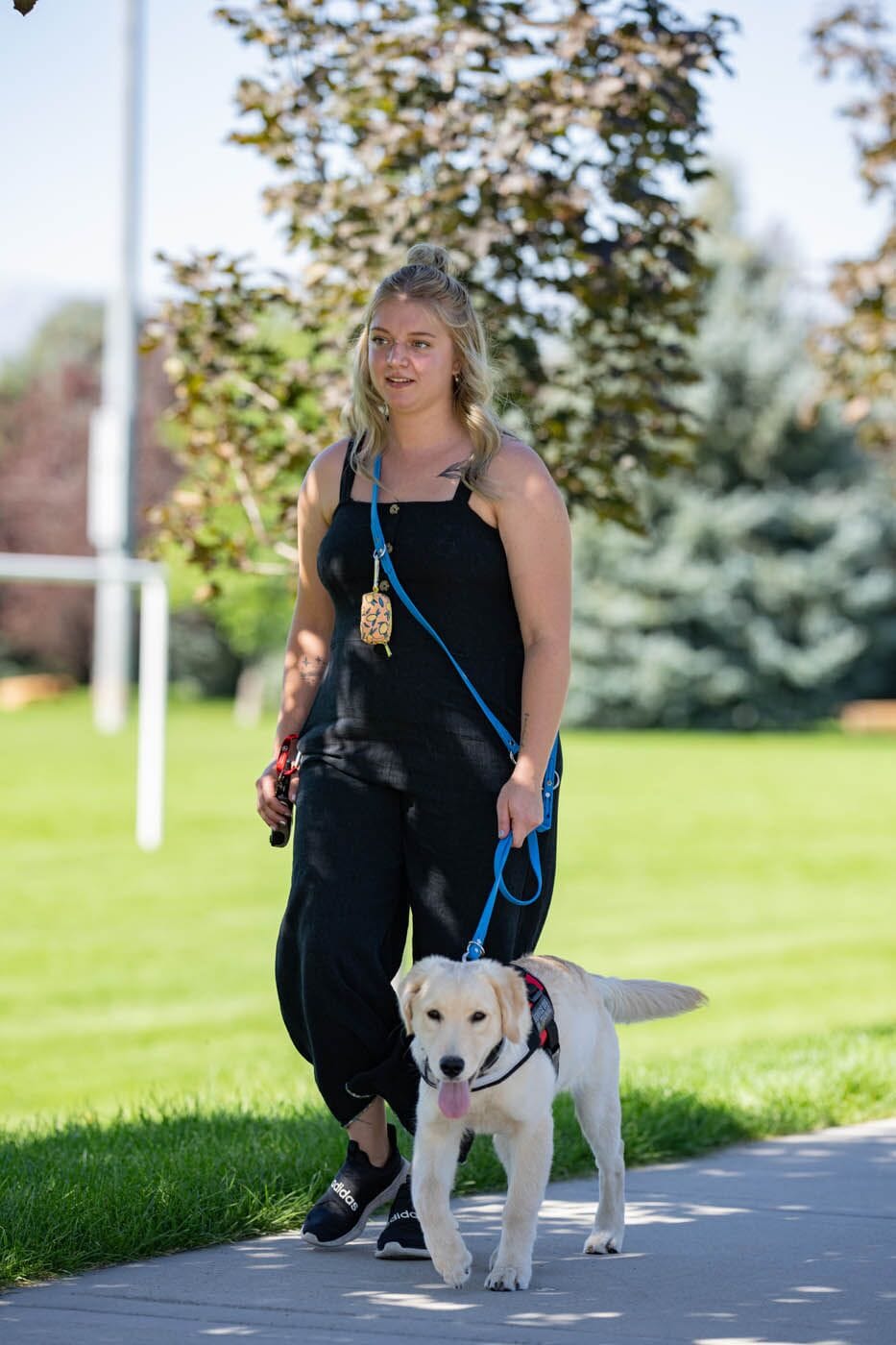
Welcome to Raleigh, a city that loves its dogs as much as its oak trees. As a dog owner here, you’re part of a vibrant community that enjoys everything from walks in Dorothea Dix Park to a pup-cup from a local coffee shop. But to enjoy all that our city has to offer, you need a well-behaved companion. That’s where finding the right Dog Trainer In Raleigh becomes not just a task, but a crucial step in building a joyful life with your furry best friend. The journey to a harmonious relationship starts with clear communication, and professional training is the key to unlocking it.
Finding a trainer isn’t just about teaching “sit” and “stay.” It’s about understanding your dog’s unique personality, building unshakable trust, and giving them the confidence to navigate the human world safely. A great trainer empowers you to become a better leader for your dog. While the options can seem overwhelming, this guide will walk you through everything you need to know to choose the perfect professional for your pack. For those seeking comprehensive guidance, understanding the principles of the [best dog obedience training](https://dogcarestory.com/best-dog-obedience-training/) is an excellent starting point.
Why Professional Dog Training is a Game-Changer
Many owners believe they can handle training on their own with the help of online videos and articles. While DIY methods can be useful for basic commands, a professional dog trainer brings a level of expertise and objectivity that is simply irreplaceable. They are skilled at reading canine body language, identifying the root cause of problem behaviors, and creating a customized plan that works for you and your dog.
Here are the core benefits of investing in professional training:
- Builds a Stronger Bond: Training is a two-way street. A professional teaches you how to communicate effectively with your dog, strengthening your bond through mutual understanding and respect. When your dog sees you as a confident and consistent leader, their trust in you grows exponentially.
- Prevents and Solves Behavioral Issues: Nipping, jumping, excessive barking, and leash pulling are common frustrations. A skilled dog trainer in Raleigh can address these issues before they become ingrained habits. For more serious problems like separation anxiety or aggression, expert guidance is essential for safe and effective resolution.
- Ensures Socialization and Safety: Proper socialization is about teaching your dog to be calm and confident around new people, places, and other animals. A trainer can facilitate safe, positive social experiences that prevent fear and reactivity down the road, making your outings in Raleigh more enjoyable and stress-free.
- Provides Mental Stimulation: Dogs need mental exercise just as much as physical activity. Training sessions challenge their minds, prevent boredom, and can reduce destructive behaviors that stem from a lack of stimulation.
Dr. Emily Carter, a certified animal behaviorist, notes, “Training is the most important gift you can give your dog and yourself. It’s not about creating a furry robot; it’s about fostering a cooperative partnership that lasts a lifetime. The right trainer acts as a translator, helping both sides speak the same language.”
What to Look For in a Raleigh Dog Trainer
The dog training industry is unregulated, which means anyone can print business cards and call themselves a trainer. It’s up to you, the owner, to do your due diligence. When evaluating a potential dog trainer in Raleigh, focus on these four critical areas.
Credentials and Certifications
While not legally required, certifications show a trainer is dedicated to their craft and has met the standards of a professional organization. Look for credentials like:
- CPDT-KA/KSA: Certified Professional Dog Trainer – Knowledge Assessed/Skills Assessed
- KPA CTP: Karen Pryor Academy Certified Training Partner
- VSA-CDT: Victoria Stilwell Academy Certified Dog Trainer
- IAABC: International Association of Animal Behavior Consultants
Training Philosophy and Methods
This is perhaps the most important factor. Modern, science-based training focuses on positive reinforcement—rewarding desired behaviors with treats, praise, or toys. This approach builds a dog’s confidence and makes learning enjoyable. Be wary of trainers who rely on “dominance,” “alpha,” or “pack leader” theories, or those who use punitive tools like prong collars, choke chains, or shock collars as their primary method. The goal is to build trust, not fear.
Experience and Specializations
Experience matters. An experienced trainer has worked with hundreds of dogs and can quickly adapt their techniques to fit your dog’s specific needs. Ask about their experience with your dog’s breed, age, and particular behavioral issues. Some trainers specialize in specific areas, such as puppy socialization, aggression, or service dog training, which is a very different skill set from general obedience. The process for [training a therapy dog](https://dogcarestory.com/training-a-therapy-dog/), for example, requires a unique focus on temperament and public access skills.
Reviews and Testimonials
See what other Raleigh dog owners are saying. Check for reviews on Google, Yelp, and their website. Look for detailed testimonials that describe the specific challenges the owner was facing and how the trainer helped resolve them. You can even ask a potential trainer for references from past clients.
Types of Dog Training Services in Raleigh
Local trainers offer a variety of formats to suit different needs, schedules, and budgets. Understanding these options will help you choose the best path forward for you and your pup.
Group Classes
Group classes are a fantastic option for puppies and dogs who need to work on basic obedience and socialization in a controlled environment. They are typically more affordable than private sessions and provide a great opportunity for your dog to learn to focus on you despite distractions.
- Best for: Puppy socialization, basic commands (sit, stay, come), and leash manners.
Private In-Home Training
For dogs with specific behavioral issues or for owners who prefer one-on-one attention, private training is ideal. The trainer comes to your home, where many problem behaviors originate. This allows them to create a highly customized plan tailored to your dog’s environment and your family’s lifestyle.
- Best for: Leash reactivity, separation anxiety, resource guarding, and targeted skill development.
Board and Train Programs
Also known as “doggie boot camp,” board and train programs involve your dog living with the trainer for an extended period, typically two to four weeks. They receive intensive, daily training in a professional environment. This can be effective for significant behavioral modification or for owners with limited time. However, the key to success is the “turnover,” where the trainer teaches you how to maintain the training once your dog returns home.
- Best for: Serious behavioral issues, advanced obedience, and busy owners needing a foundational reset.
Key Questions to Ask a Potential Dog Trainer in Raleigh
Once you have a shortlist, it’s time to interview them. A reputable professional will be happy to answer your questions. Here are a few to get you started:
- What training methods and equipment do you use? Listen for a focus on positive reinforcement. If they suggest punitive tools, ask them to explain their rationale.
- What are your qualifications and how do you continue your education? A great trainer is always learning about the latest in animal behavior science.
- Can I observe one of your group classes? This allows you to see their methods in action and observe how the dogs and owners in the class are responding.
- How do you measure success? The answer should focus on achieving your specific goals and ensuring long-term behavioral health, not just a “quick fix.”
- What is your approach for a dog that is scared or not responding? Their response should be centered on patience, building confidence, and changing the approach, not forcing the dog.
- How will I be involved in the training process? Your involvement is critical for success. The trainer should have a clear plan for teaching you how to work with your dog. This is especially true for specialized goals, where finding
[psd dog training near me](https://dogcarestory.com/psd-dog-training-near-me/)requires a trainer skilled in both dog and handler education.
The Raleigh Dog Community: Training Beyond the Session
One of the best parts of living in Raleigh is the amazing dog community. Finding a great trainer is your first step; applying those skills out in the real world is the next. Use your new handling skills to confidently explore Raleigh’s dog-friendly spaces:
- Practice Leash Skills: Take a walk around the beautiful grounds of the North Carolina Museum of Art or the quieter trails at William B. Umstead State Park.
- Reinforce “Place” Command: Visit a dog-friendly brewery patio like Raleigh Brewing Company and have your dog practice calmly settling on a mat.
- Work on Socialization: Visit one of Raleigh’s many dog parks, like Oakwood Dog Park or Millbrook Exchange Dog Park. A well-trained dog can enjoy these spaces safely and happily.
Your relationship with your dog is a journey, not a destination. Training provides the map and the communication skills you need to navigate it together. By choosing a qualified, humane dog trainer in Raleigh, you’re not just solving a problem; you’re investing in a lifetime of happy companionship.
Frequently Asked Questions (FAQ)
How much does dog training cost in Raleigh?
Costs vary widely based on the type of training. Group classes in Raleigh typically range from $150 to $300 for a multi-week course. Private in-home sessions can run from $100 to $250 per hour, while immersive board and train programs are a larger investment, often starting at $2,500 and up.
How long does it take to see results from dog training?
You’ll often see small improvements after the very first session as you learn better communication techniques. However, lasting behavioral change takes consistency and time. Basic obedience may solidify in a few weeks, while more complex issues like anxiety or reactivity can take several months of dedicated work.
Is my dog too old for training?
Absolutely not! The old saying, “You can’t teach an old dog new tricks,” is completely false. While puppies have the advantage of being blank slates, adult and senior dogs are fully capable of learning new behaviors and breaking old habits. Training can be a wonderful way to enrich a senior dog’s life.
What is the difference between a dog trainer and a behaviorist?
A dog trainer primarily focuses on teaching commands and modifying common problem behaviors like jumping or leash pulling. A Certified Applied Animal Behaviorist (CAAB) or a veterinary behaviorist (DACVB) has advanced graduate-level education in animal behavior and is qualified to handle more severe issues like extreme aggression, phobias, and compulsive disorders, often working in conjunction with a veterinarian.
Should I use treat-based training? Will my dog become dependent on treats?
Yes, you should use treat-based (positive reinforcement) training, as it is the most effective and humane method. A skilled trainer will teach you how to properly fade the use of treats over time, so your dog learns to respond to verbal cues and real-life rewards (like praise or play) without always needing a food lure. The treat is a payment for a job well done, not a bribe.
