
Excessive barking in dogs is a common yet often frustrating issue for pet owners. It can strain relationships with neighbors and diminish the joy of having a canine companion. While some barking is natural communication, persistent, excessive barking often signals an underlying issue that needs professional attention. This is where a skilled dog trainer specializing in behavioral modification becomes invaluable. If you’re struggling with a dog that barks too much, understanding when and how to bring in an expert can make all the difference.
Understanding the Root Causes of Excessive Barking
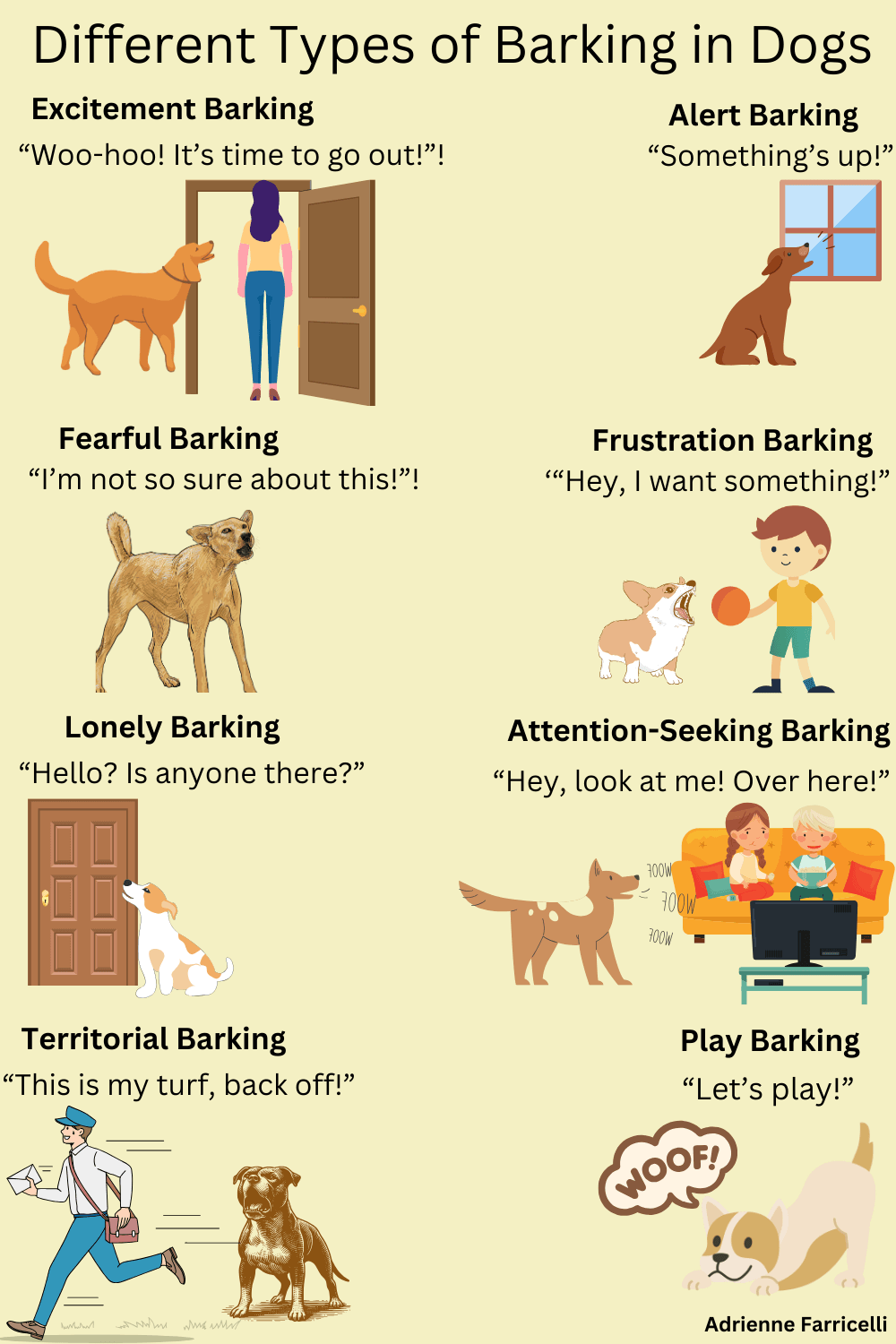
Before a trainer can effectively help, it’s important to understand why dogs bark excessively. Barking is a dog’s primary way of communicating, and identifying the trigger is the first step towards a solution. Common reasons include:
- Alert/Territorial Barking: This is often triggered by perceived intruders, such as people or animals approaching the dog’s territory.
- Boredom/Attention-Seeking Barking: Dogs that are left alone for long periods or lack sufficient mental and physical stimulation may bark to express their dissatisfaction or to get their owner’s attention.
- Greeting/Excitement Barking: Some dogs bark exuberantly when they see people or other dogs, especially if they are excited.
- Compulsive Barking: In some cases, barking can become a compulsive behavior, similar to obsessive-compulsive disorders in humans. This often has no clear external trigger.
- Separation Anxiety Barking: Dogs suffering from separation anxiety may bark incessantly when left alone, often accompanied by other distress behaviors like destruction or house soiling.
- Medical Issues: Pain or discomfort due to an underlying medical condition can sometimes lead to increased vocalization.
A professional Dog Trainer For Excessive Barking will systematically assess these potential causes through observation and discussion with the owner. This comprehensive approach is crucial for developing an effective, tailored training plan.
When to Seek a Professional Dog Trainer for Barking Issues
While minor barking episodes can often be managed with basic obedience techniques, persistent or extreme barking usually warrants professional intervention. Here are key indicators that it’s time to consult a dog trainer for excessive barking:
- The barking is constant and uncontrollable: If your efforts to stop the barking are ineffective, it’s a clear sign that professional help is needed.
- Barking disrupts your daily life: Persistent barking can lead to sleep deprivation, stress, and strained relationships with neighbors.
- The barking is linked to anxiety or fear: If your dog barks excessively due to separation anxiety, fear of noises, or other phobias, a trainer can provide specialized strategies.
- You suspect a compulsive behavior: Compulsive barking can be challenging to manage without expert guidance.
- You’re feeling overwhelmed or unsuccessful: As a pet owner, it’s okay to admit when you need help. A trainer offers expertise and support.
For owners seeking specialized assistance, resources like private in-home dog training nj can connect you with professionals who can address these specific concerns.
What a Professional Trainer Does for Excessive Barking
A qualified dog trainer for excessive barking will employ a multi-faceted approach:
1. Behavior Assessment
The trainer will observe your dog in its natural environment (if possible) or through detailed descriptions from you. They’ll analyze the type of bark, the triggers, the frequency, and any accompanying behaviors. This detailed assessment is the foundation of the training plan.
2. Identifying Triggers and Motivation
Understanding why the dog is barking is paramount. Is it boredom, fear, territoriality, or a bid for attention? The trainer will help you pinpoint these motivations. For instance, a trainer might suggest ways to manage the environment to reduce territorial barking, such as closing curtains or using white noise.
3. Developing a Customized Training Plan
No two dogs are the same, and a good trainer will create a plan tailored to your dog’s specific needs and personality. This plan might involve:
- Management Strategies: Simple changes to the dog’s environment or routine to prevent barking incidents from occurring. This could include providing more exercise, puzzle toys for mental stimulation, or desensitization to triggers.
- Behavior Modification Techniques: This is the core of the training. Techniques may include:
- Desensitization and Counter-Conditioning: Gradually exposing the dog to triggers at a low intensity and pairing them with positive reinforcement (treats, praise) to change the dog’s emotional response.
- “Quiet” Command Training: Teaching the dog to stop barking on cue. This involves rewarding silence after a bark.
- Redirection: Teaching the dog to engage in an alternative, incompatible behavior when barking is initiated, such as fetching a toy or performing a known trick.
- Ignoring Attention-Seeking Barking: For dogs who bark for attention, owners are coached to completely ignore the barking until the dog is quiet, then reward the silence. This requires consistency from all household members.
4. Owner Education and Coaching
A significant part of a trainer’s job is to educate and empower the owner. You’ll learn how to implement the training techniques consistently, read your dog’s body language, and manage situations effectively. This partnership is crucial for long-term success. The trainer might offer insights into dog training mankato mn if you are in that area, providing localized expertise.
5. Addressing Underlying Issues
If the barking stems from deeper issues like separation anxiety or compulsive disorders, the trainer will use specialized protocols. For severe cases of separation anxiety, medication prescribed by a veterinarian might be recommended in conjunction with behavior modification.
Choosing the Right Dog Trainer
Selecting the right professional is critical for addressing your dog’s excessive barking. Look for a trainer who:
- Uses positive reinforcement methods: These methods focus on rewarding desired behaviors and are humane and effective. Avoid trainers who advocate punishment-based techniques, as these can exacerbate anxiety and fear, potentially worsening barking issues.
- Has experience with barking and behavioral issues: Look for credentials or certifications from reputable organizations, and ask about their specific experience with excessive barking. You might also look into options like dog trainer certification online to understand the qualifications they possess.
- Emphasizes owner involvement: A good trainer will work with you, providing clear instructions and support.
- Offers a consultation: A pre-training consultation allows you to discuss your concerns, understand the trainer’s approach, and see if it’s a good fit.
Consider trainers who are recognized as among the world’s best dog trainer if possible, as they often have the deepest understanding of complex behaviors.
Implementing Training: Consistency is Key
Once you begin working with a trainer, remember that consistency is your most powerful tool. Every family member must be on board with the training plan. Inconsistent responses can confuse your dog and hinder progress. For example, if one person allows barking for attention while another ignores it, the dog will never learn the correct behavior.
Example Scenario: Territorial Barking
Let’s say your dog barks excessively at the mail carrier. A trainer might suggest:
- Management: Keep your dog in a different room or on a leash when the mail is delivered.
- Desensitization: Start by having someone outside the house (not the mail carrier) walk by at a distance, rewarding your dog for remaining quiet. Gradually decrease the distance over many sessions.
- Counter-Conditioning: When the actual mail carrier approaches, pair their presence with high-value treats given only when your dog is quiet. The goal is for the dog to associate the mail carrier with good things, not as a threat.
This process takes time and patience. Techniques like training dogs to walk on leash also require similar step-by-step reinforcement and are best guided by a professional.
The Long-Term Benefits of Addressing Barking
Working with a dog trainer for excessive barking is an investment in your dog’s well-being and your peace of mind. A dog that barks less is generally a happier, more confident, and better-adjusted companion. You’ll experience a more harmonious home environment, stronger bonds with your pet, and a greater appreciation for the joys of dog ownership.
Don’t let excessive barking overshadow the wonderful relationship you can have with your dog. With the right guidance and consistent effort, even the most persistent barkers can learn to communicate more appropriately.
