
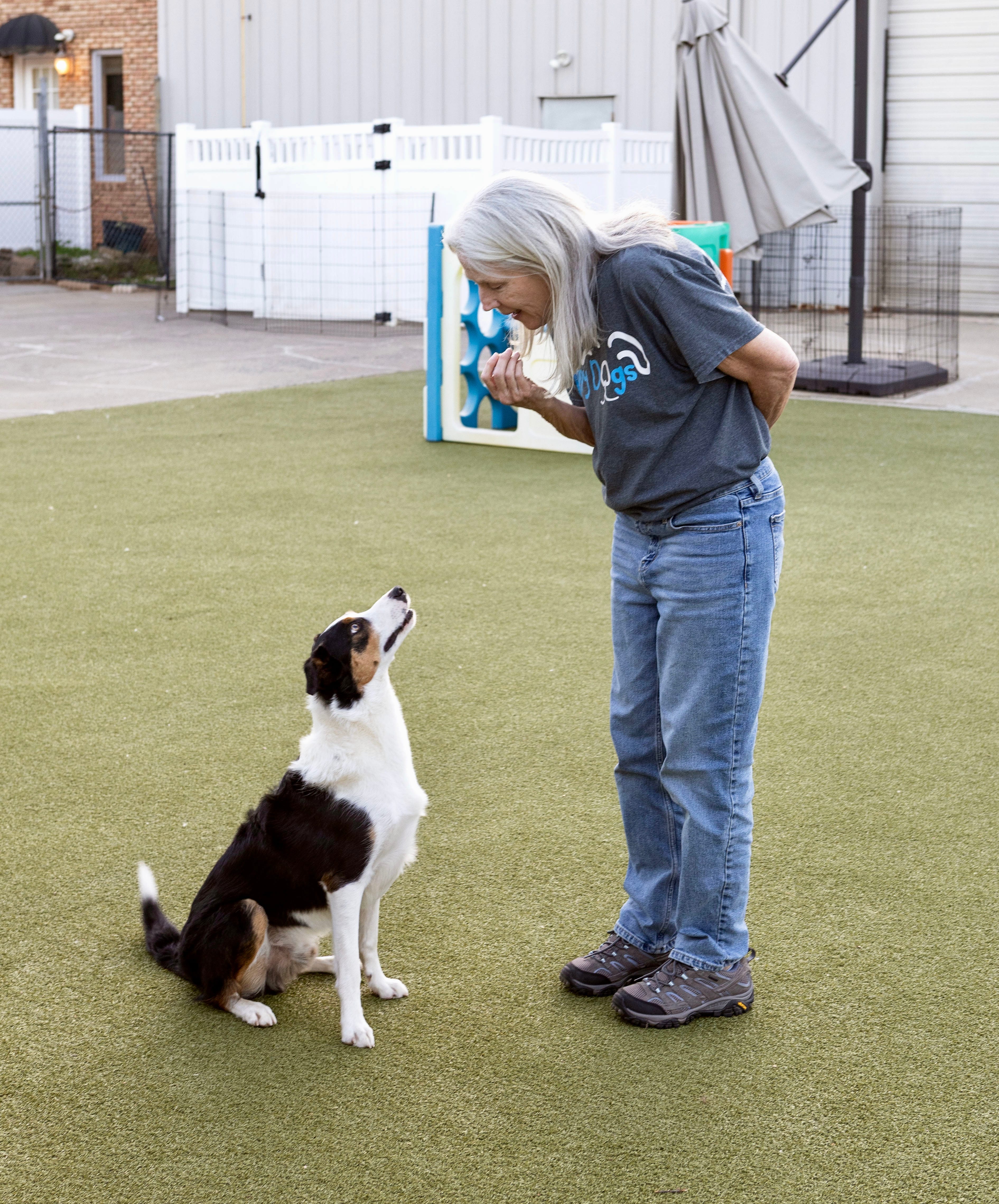
Finding the right dog trainer can make a world of difference in your relationship with your furry friend. Whether you’re dealing with a rowdy puppy or a seasoned adult dog with some behavioral quirks, the guidance of a professional can be invaluable. But with so many options out there, how do you find the “Dog Trainer Certification Near Me” that truly fits your needs and your dog’s personality? It’s a journey that involves understanding your dog’s specific requirements, researching trainers’ qualifications, and trusting your gut.
Understanding Your Dog’s Needs: The First Step
Before you even start searching for a trainer, take a moment to honestly assess your dog. What are your primary goals? Are you looking for basic obedience, like sit, stay, and leash manners? Or do you have a more specific challenge, such as reactivity, separation anxiety, or aggression? Identifying these needs will help you narrow down your search and find a trainer with the relevant expertise. For instance, if you’re looking for highly specialized skills, you might search for “trained service dogs for sale near me” or trainers experienced with specific behavioral modification techniques.
Also consider your dog’s breed, age, and temperament. A high-energy Border Collie will have different training needs than a more laid-back Basset Hound. A young puppy will require a different approach than an older dog who may have ingrained habits. Understanding these individual characteristics will guide you toward trainers who specialize in or have extensive experience with dogs similar to yours.
What to Look For in a Certified Dog Trainer
When you begin searching for “dog training programs near me” or “top rated dog training near me,” it’s crucial to look beyond just a friendly face and a wagging tail. Professional certification is a key indicator of a trainer’s commitment to the profession and their understanding of modern, science-based training methods.
Key Certifications and Credentials
Several reputable organizations offer certifications for dog trainers. While no single certification is the be-all and end-all, some of the most recognized include:
- Certification Council for Professional Dog Trainers (CCPDT): This is often considered the gold standard. Earning the CPDT-KA (Knowledge Assessed) or CPDT-KSA (Knowledge and Skills Assessed) demonstrates a trainer has passed rigorous exams covering learning theory, ethology, and practical application.
- Karen Pryor Academy Certified Training Partner (KPA-CTP): This program emphasizes positive reinforcement and clicker training, focusing on clear communication and humane methods.
- Victoria Stilwell Academy (VSA): Known for its positive, force-free training approach, the VSA offers comprehensive education and certification.
When evaluating a trainer, don’t hesitate to ask about their certifications and what they entailed. A trainer who is proud of their credentials will be happy to discuss them.
Training Philosophy and Methods
This is perhaps the most critical factor. The world of dog training has evolved significantly, and modern, ethical trainers widely advocate for positive reinforcement methods. This approach focuses on rewarding desired behaviors, making training a fun and collaborative experience for both dog and owner.
Avoid trainers who use or advocate for methods based on punishment, dominance, or fear. Techniques like choke chains, prong collars, shock collars, or intimidation tactics can suppress behavior temporarily but often lead to negative side effects, including increased anxiety, aggression, and a damaged relationship with your dog. Look for trainers who talk about building a strong bond, clear communication, and understanding canine behavior. If a trainer seems overly focused on “alpha” or “pack leader” concepts, it’s a red flag.
“The goal of training isn’t to dominate your dog, but to build a trusting partnership based on clear communication and mutual respect,” says Dr. Emily Carter, a renowned canine behaviorist. “Positive reinforcement methods are not only more humane but also far more effective in the long run.”
Types of Dog Training Programs Available
The “dog training programs near me” search can yield various types of services. Understanding these can help you select the best fit:
Group Classes
Ideal for basic obedience and socialization, group classes are often more affordable and provide an opportunity for your dog to learn around distractions. They’re great for puppies and dogs new to training.
Private, In-Home Training
This offers personalized attention tailored to your dog’s specific issues and your home environment. It’s excellent for addressing complex behavioral problems or for owners who prefer one-on-one instruction. This is where services like “board and train for dogs” might come into play if you need intensive, immersive training.
Board and Train Programs
In these programs, your dog lives with the trainer for a set period, receiving intensive, daily training. This can be highly effective for significant behavior modification or for owners who are short on time. However, it’s crucial to ensure the program uses humane methods and that you’ll be thoroughly coached on maintaining the training upon your dog’s return.
Specialized Training
This can include agility, scent work, therapy dog training, or service dog training. If you have a specific goal in mind, look for trainers who specialize in that area.
The Search for “Dog Trainer Certification Near Me”: Practical Tips
Now that you know what to look for, let’s talk about the practical steps to finding that perfect trainer:
- Ask for Referrals: Talk to your veterinarian, friends, family, or other dog owners you trust. Personal recommendations can be a great starting point.
- Online Search: Use search terms like “dog trainer certification near me,” “positive reinforcement dog trainer [your city],” or “dog obedience classes [your area].”
- Check Trainer Websites: Look for information on their experience, certifications, training philosophy, services offered, and client testimonials.
- Initial Consultation: Most trainers offer a brief phone consultation or an initial in-home assessment. Use this opportunity to ask questions about their methods, experience with your dog’s breed or issues, and their approach to communication.
- Observe a Class (if possible): If you’re considering group classes, ask if you can observe a session to see the trainer in action and gauge the atmosphere.
- Trust Your Instincts: Ultimately, you want to find a trainer you feel comfortable with and confident in. Their energy and approach should resonate with you, and they should make you feel empowered as a dog owner.
Common Questions to Ask a Potential Dog Trainer
To ensure you’re making an informed decision, prepare a list of questions. Here are a few essential ones:
- What are your certifications and ongoing professional development?
- What is your training philosophy and methodology? Do you use positive reinforcement?
- What experience do you have with my dog’s breed and specific behavioral issues?
- What does a typical training session look like? How long are they?
- What are your rates and package options?
- What is your policy on using training equipment?
- How will you involve me in the training process?
- What kind of results can I realistically expect, and in what timeframe?
If you are looking for intensive, immersive training for your dog, inquire about specific programs. For instance, an “intense dog training camp near me” might be an option if you need a comprehensive solution.
The Benefits of Professional Dog Training
Investing in professional dog training offers numerous advantages that extend far beyond basic obedience:
- Stronger Bond: Training builds communication and trust, deepening the connection between you and your dog.
- Improved Behavior: Addressing issues early prevents them from escalating and leading to more significant problems.
- Enhanced Safety: A well-trained dog is less likely to run into traffic, ingest harmful substances, or exhibit aggressive behavior, making them safer for themselves and others.
- Reduced Stress: For both dog and owner, training reduces the stress associated with managing unwanted behaviors.
- Socialization: Group classes and exposure to different environments help dogs become more well-adjusted and comfortable around other people and animals.
- Your Dog’s Well-being: A dog that understands expectations and has learned coping mechanisms is a happier, more confident dog.
Conclusion: Investing in a Brighter Future with Your Dog
Choosing the right trainer is a significant investment in your dog’s future and your quality of life together. By understanding your dog’s needs, researching credentials, prioritizing positive training methods, and asking the right questions, you can find a qualified professional who will guide you toward a harmonious and fulfilling life with your canine companion. Remember, the journey of training is ongoing, and with the right support, you and your dog can achieve remarkable things. When you search for “dog trainer certification near me“, know that you’re taking a vital step towards unlocking your dog’s full potential.
