
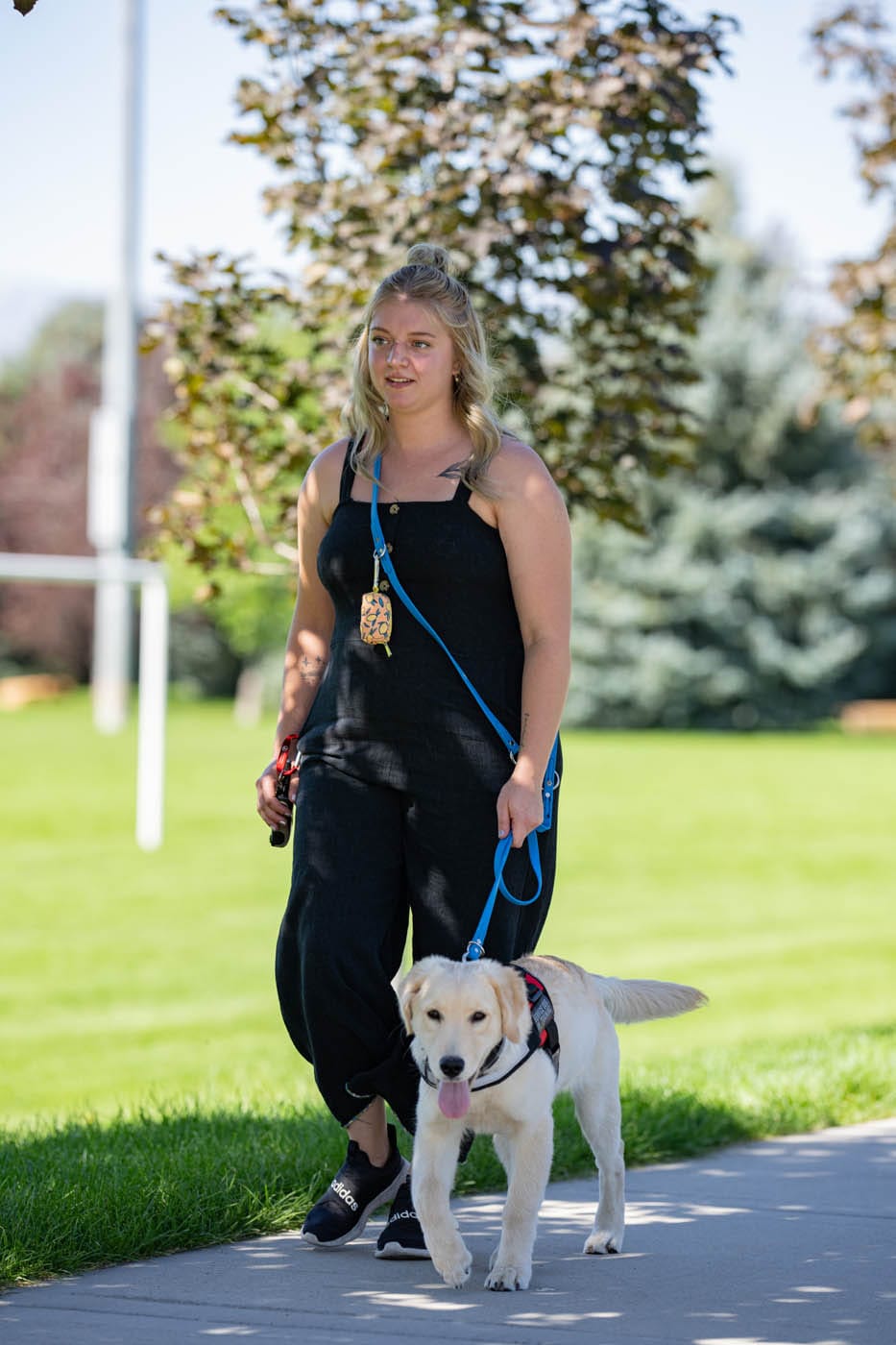
Welcoming a dog into your home is a joyous occasion, but it also comes with the responsibility of training and ensuring your furry friend is well-behaved and happy. If you’re in Austin, Texas, and seeking professional guidance to shape your dog’s behavior, you’re in luck. The city boasts a vibrant community of skilled dog trainers, each offering unique approaches to help you and your canine companion build a strong, communicative bond. From basic obedience to advanced behavior modification, finding the right dog trainer in Austin, Texas is crucial for a harmonious life together. This guide will help you navigate the options and select a trainer who aligns with your dog’s needs and your training goals.
Understanding the Importance of Professional Dog Training
Before diving into the specifics of finding a trainer, it’s essential to understand why professional guidance is so valuable. Dogs, much like humans, thrive on structure, clear communication, and consistent reinforcement. A well-trained dog is not only a pleasure to live with but also a safer member of the community. Professional trainers possess the knowledge and experience to:
- Identify and address behavioral issues: Whether it’s excessive barking, leash pulling, or aggression, trainers can diagnose the root cause and implement effective solutions.
- Teach essential obedience commands: Sit, stay, come, and leave it are fundamental for a dog’s safety and your peace of mind.
- Strengthen the human-animal bond: Training is a collaborative process that fosters trust and mutual understanding between you and your dog.
- Socialize your dog: Properly socialized dogs are more confident and less likely to exhibit fear-based behaviors around other animals and people.
- Adapt to modern training philosophies: Many trainers today utilize positive reinforcement methods, which are humane, effective, and build a positive association with learning for your dog.
When searching for a dog trainer in Austin, Texas, look for those who emphasize building a relationship based on trust and positive interactions.
Key Factors to Consider When Choosing a Dog Trainer
The “best” dog trainer is subjective and depends on your individual needs and your dog’s personality. Here are key factors to consider:
Training Philosophy and Methods
This is arguably the most critical aspect. Trainers employ various methods, from traditional dominance-based approaches to modern, science-backed positive reinforcement.
- Positive Reinforcement: This widely recommended method uses rewards (treats, praise, toys) to encourage desired behaviors. It’s effective, humane, and strengthens the bond between dog and owner. Many Austin trainers focus on lead the way dog training principles, emphasizing gentle guidance.
- Balanced Training: This approach may incorporate both positive reinforcement and aversive techniques (like leash corrections or prong collars) when deemed necessary. Some owners prefer this, while others find it unnecessary or potentially harmful.
- Avoid Punitive Methods: Trainers who rely heavily on fear, intimidation, or physical punishment are generally not recommended by veterinary behaviorists and animal welfare organizations.
When interviewing potential trainers, ask them to describe their methods in detail. Do they focus on rewarding good behavior? How do they handle common issues like training your dog not to bark?
Certifications and Affiliations
While not always mandatory, certifications can indicate a trainer’s commitment to ongoing education and adherence to professional standards. Look for credentials from reputable organizations such as:
- Certification Council for Professional Dog Trainers (CCPDT): Offers the CPDT-KA and CPDT-KSA designations.
- Karen Pryor Academy (KPA): Known for its focus on positive reinforcement clicker training.
- Victoria Stilwell Academy (VSA): Emphasizes positive, force-free methods.
These certifications suggest a trainer has met rigorous knowledge and practical skills requirements.
Experience and Specialization
Consider the trainer’s experience with dogs similar to yours in terms of breed, age, and temperament. Some trainers specialize in:
- Puppy socialization and basic obedience: Crucial for setting a strong foundation.
- Behavior modification for aggression or anxiety: Requires advanced expertise.
- Specific sports or activities: Agility, scent work, etc.
A trainer experienced with how to leash train a dog that pulls will have specific strategies for this common challenge.
Location and Schedule
Convenience matters. A trainer located within a reasonable distance in the Austin area can make attending regular sessions much easier. Also, consider their availability – do their class times or private session slots fit your schedule? Some trainers in austin texas dog training offer both in-person and virtual consultations.
Reviews and Testimonials
What do past clients say? Look for reviews on their website, Google, Yelp, or other platforms. Testimonials can provide valuable insights into a trainer’s effectiveness, professionalism, and communication style.
Popular Dog Training Services in Austin, Texas
Austin offers a diverse range of training services to suit every need:
Group Classes
Ideal for socialization and learning basic commands in a controlled environment with other dogs. These are often cost-effective and provide a fun learning experience.
Private Training Sessions
One-on-one sessions offer personalized attention, allowing the trainer to focus on your dog’s specific issues and tailor the curriculum to your needs. This is often recommended for addressing complex behavioral problems or for owners who prefer a more individualized approach.
Board and Train Programs
Your dog stays with the trainer for a set period, undergoing intensive training. This can be highly effective for dogs with significant behavioral challenges or for owners with very busy schedules. However, it’s essential to ensure a smooth transition back home and that the owner receives thorough instruction.
Specialized Workshops
Many trainers offer workshops focused on specific skills, such as loose-leash walking, recall training, or advanced obedience.
Questions to Ask Potential Dog Trainers
To make an informed decision, prepare a list of questions. Here are some essential ones:
- What are your training methodologies and philosophy?
- Are you certified by any professional organizations?
- What is your experience with [mention your dog’s breed/temperament/issue]?
- Can you provide references or testimonials from previous clients?
- What is the cost of your services, and what is included?
- What is your policy on cancellations or missed appointments?
- How do you handle specific behavioral challenges like reactivity or separation anxiety?
- What role do owners play in the training process?
- Do you offer follow-up support after the training program is complete?
Understanding how trainers approach issues like a dog that doesn’t listen can be very telling.
Making the Final Decision
Choosing a dog trainer in Austin, Texas is an investment in your dog’s well-being and your relationship with them. Trust your instincts. A good trainer should be knowledgeable, patient, compassionate, and communicate clearly. They should empower you to understand your dog’s behavior and provide you with the tools to continue training effectively at home.
Remember, training is an ongoing journey. By partnering with the right professional, you can ensure your dog becomes a well-adjusted, happy, and beloved member of your family for years to come. Whether you’re focusing on basic manners or tackling more complex behaviors, the dedicated trainers in Austin are ready to help you build a stronger, more fulfilling life with your canine companion.
