
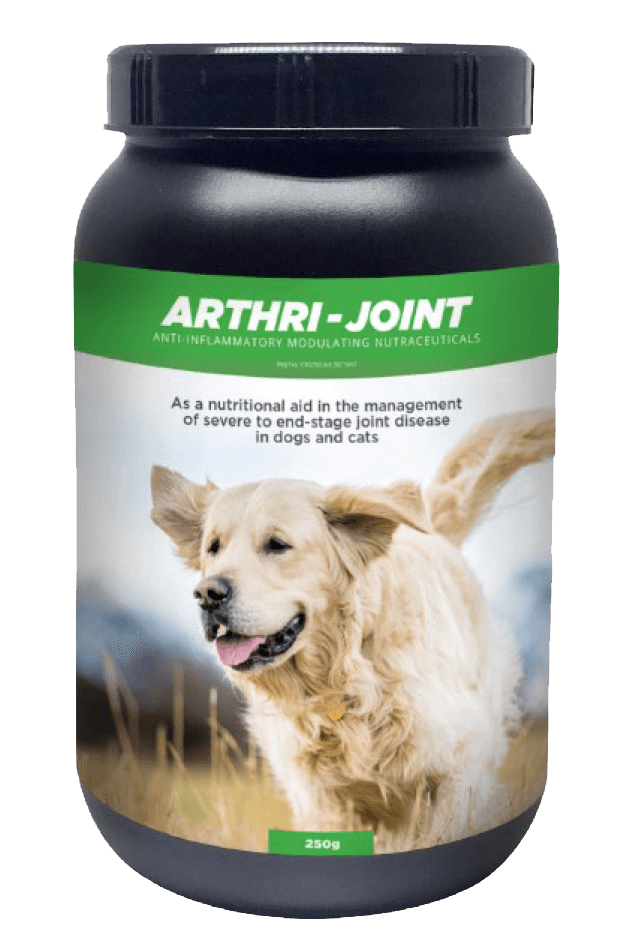
The landscape of supplements and nutraceuticals for dogs, particularly concerning joint health, is fraught with complexities and often contentious discussions. Unlike pharmaceuticals, these products are not subjected to the same rigorous regulatory standards, meaning manufacturers are not obligated to provide evidence of efficacy before bringing them to market. This can lead to a confusing environment for pet owners.
Many owners are persuaded to try a supplement based on a friend’s recommendation, who claims their dog experienced significant improvement. However, attributing such positive changes solely to the supplement can be misleading. There are numerous factors that could contribute to an apparent improvement, and in some cases, the perceived benefits might be influenced by wishful thinking. A notable study revealed that a staggering 55% of owners believed their dog’s mobility had significantly improved when, in reality, they were administering a placebo. The impact of “caregiver placebo” is also a concern, affecting even veterinary professionals; this phenomenon occurs when the caregiver (in this case, the pet owner) perceives clinical improvement due to their own belief, while the dog’s underlying condition and clinical signs remain unchanged.
When considering supplements or nutraceuticals for your dog’s joint health, several key points warrant careful consideration:
- The natural fluctuations of arthritis: The visual signs of arthritis in dogs can naturally ebb and flow. It is crucial to question whether any perceived improvement coincides with the introduction of a supplement or is simply a natural remission.
- Confounding factors: A dog’s overall well-being is influenced by a multitude of factors. Was the supplement introduced concurrently with other changes, such as the purchase of a new, more comfortable bed, or a modification to the dog’s exercise regimen? Isolating the effect of a single supplement can therefore be challenging.
Research into the effectiveness of joint supplements has yielded concerning results. The International Centre for Nutritional Excellence, an independent laboratory specializing in nutraceutical analysis, examined the label claims of human joint supplements and discovered that a significant 6 out of 10 failed to meet their stated claims. Their cautionary advice to consumers is clear: “consumers need to be very careful when purchasing such supplements be it for themselves or for their pets.”
It is imperative to understand that there are currently no cures for arthritis in dogs. Therefore, any product making such a claim should be approached with extreme skepticism.
To help pet owners navigate this complex market, Stephen M. Fox, author of “Multimodal Management of Canine Osteoarthritis,” proposes the ACCLAIM criteria for evaluating nutraceuticals. This framework provides a structured approach to assessing the reliability and potential efficacy of joint supplements:
- A – A recognized company name: Opt for established firms that are reputable within the veterinary community and ideally provide educational materials related to animal health.
- C – Clinical experience: Companies that invest in rigorous clinical trials and publish their findings in respected peer-reviewed journals demonstrate a commitment to evidence-based products.
- C – Clearly indicated content: All ingredients should be transparently listed on the product label, allowing owners to understand exactly what they are administering to their pets.
- L – Label claims: Be wary of claims that sound too good to be true. Instead of relying on testimonials, look for references to scientific studies. Any label that suggests a product can “treat,” “cure,” or “prevent” arthritis should be considered highly suspect.
- A – Accurate administration guidelines: The recommended dosage should be precise and easy for owners to calculate and follow, ensuring the correct amount is administered.
- I – Identification number for lot traceability: A lot identification number allows for potential surveillance and testing of product quality, offering a layer of accountability.
- M – Manufacturer information: Ideally, the manufacturer should provide clear contact information and a link to their website, facilitating further inquiry and transparency.
By applying the ACCLAIM criteria, pet owners can make more informed decisions when selecting joint supplements for their canine companions, prioritizing products that are backed by scientific evidence and ethical manufacturing practices.
