
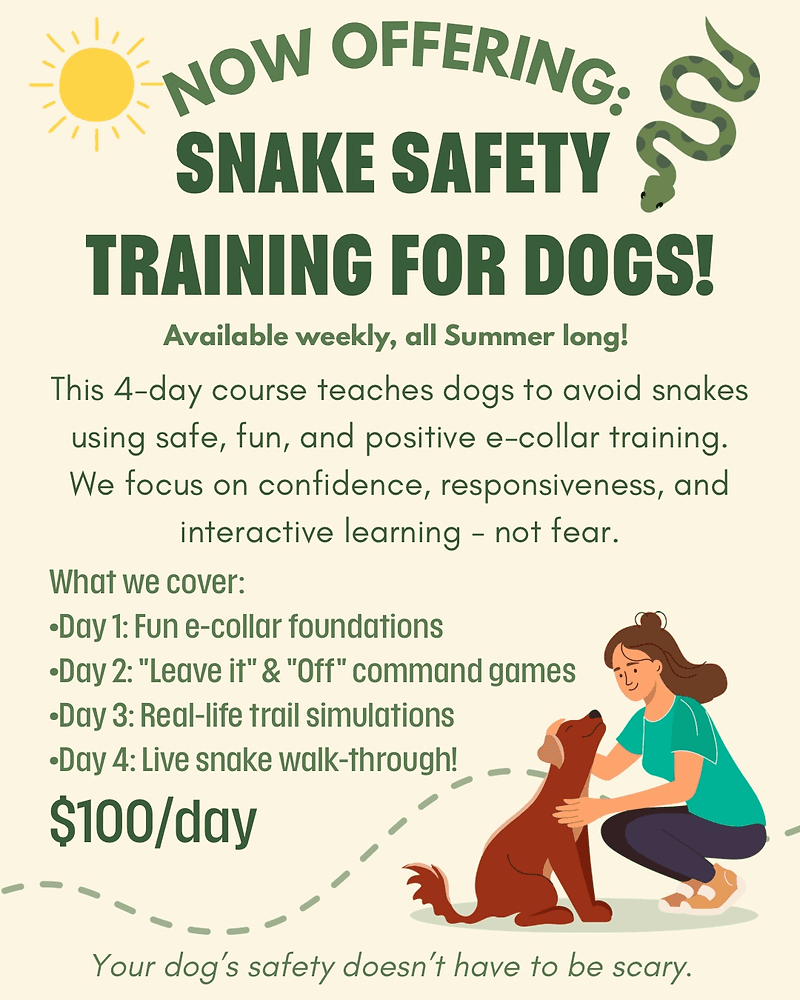
For dog owners in regions where snakes are prevalent, the thought of an encounter between their curious canine and a venomous reptile is a true nightmare. Dogs, with their inquisitive nature, are prime candidates for snakebites, which can lead to severe injury or even death. Fortunately, specialized Dog Snake Avoidance Training provides a crucial layer of protection, teaching our four-legged companions to recognize and steer clear of this slithering danger. This training is not just a precaution; it’s an essential, potentially life-saving skill that offers invaluable peace of mind.
Understanding the principles behind this training can help you make an informed decision for your pet’s safety. While some methods are debated, the goal remains the same: to prevent a tragic accident before it happens. Much like other forms of training, consistency and professional guidance are key. For a broader overview of what quality training entails, exploring different approaches like snake avoidance training for dogs can provide a solid foundation.
Why is Snake Avoidance Training So Important?
Dogs often get bitten because they stumble upon a snake or, driven by curiosity, actively engage with it. They don’t inherently know that the strange-smelling, rattling creature in the grass is a threat. Snake avoidance training bridges this knowledge gap by conditioning a dog to associate the sight, sound, and smell of a snake with a negative or undesirable experience, compelling them to retreat.
In areas like the American Southwest, encounters with rattlesnakes are common, making specialized programs like dog rattlesnake avoidance training particularly vital. Statistics from the American Veterinary Medical Association suggest that tens of thousands of pets are bitten by venomous snakes each year in the United States. These encounters often result in exorbitant vet bills for antivenom and intensive care, with no guarantee of survival. Proactive training is a small investment compared to the potential physical, emotional, and financial toll of a snakebite.
How Does Dog Snake Avoidance Training Work?
The core principle of this training is conditioning. Trainers aim to teach a dog to identify a snake through multiple senses and react by creating distance. This is typically achieved through controlled scenarios using live, safely contained (e.g., muzzled or behind a barrier) snakes to ensure authenticity. Two primary methodologies are used in the field.
Aversion Training with E-Collars
The most common and traditionally effective method involves the use of an electronic collar, or e-collar. In a controlled environment, as the dog approaches and shows interest in the snake, a trainer delivers a brief, unpleasant stimulus (a static shock) from the collar. The dog quickly learns to associate the sight, smell, and sound of the snake with the negative sensation, teaching it to avoid the source.
Proponents of this method argue that the momentary discomfort from the collar is insignificant compared to the agony of a venomous snakebite. The training is fast, often taking less than 20 minutes to establish the initial aversion. However, the use of e-collars is a controversial topic. If you are considering this method, it’s important to understand the nuances of dog collars shock training and to ensure it is administered by an experienced, humane professional who prioritizes the dog’s well-being.
“The key to effective aversion training is timing and intensity,” explains Dr. Marcus Thorne, a veterinary behaviorist. “The stimulus must be applied the instant the dog focuses on the snake, creating an immediate and clear association. When done correctly by a skilled professional, it builds a powerful and lasting avoidance response that is rooted in self-preservation.”
Positive Reinforcement and Alert Training
A growing number of trainers are developing methods that do not rely on aversive tools. These positive reinforcement techniques focus on teaching an alternative behavior. For instance, a dog can be trained to perform an “alert” behavior—such as running back to its owner and sitting—whenever it detects a snake. This is achieved by rewarding the dog for moving away from the snake scent or a replica and engaging with the handler instead.
This method requires more time and consistency to build a reliable response under distracting outdoor conditions. It pairs a strong recall with the alert behavior, so the dog learns that seeing, smelling, or hearing a snake is its cue to immediately return to its owner for a high-value reward. While potentially less jarring for the dog, it requires a dedicated owner to practice and reinforce the training regularly.
Finding the Right Trainer and What to Expect
Choosing a qualified trainer is the most critical step in this process. An experienced professional will prioritize the safety of both the dog and the snakes used in training. When searching for a program, consider looking for local experts by using terms like [snake avoidance training for dogs near me](https://dogcarestory.com/snake-avoidance-training-for-dogs-near-me/) to find reputable options in your area. For those in specific high-risk locations, geographically focused training, such as [rattlesnake training for dogs tucson](https://dogcarestory.com/rattlesnake-training-for-dogs-tucson/), can offer expertise on local snake species.
A typical training session includes:
- Introduction: The trainer explains the process and fits the dog with the necessary equipment.
- Controlled Encounters: The dog is led through a course where it will encounter different snakes (both venomous and non-venomous) in various realistic scenarios.
- Response Conditioning: The trainer applies the chosen conditioning method (aversive or positive) the moment the dog shows interest in the snake.
- Testing: The dog is guided past the snake again to confirm it now actively avoids it. A trained dog will typically show clear signs of avoidance, such as giving a wide berth, backing away, or running to its owner.
Beyond Training: Maintaining a Snake-Safe Environment
While dog snake avoidance training is incredibly effective, it’s not a 100% guarantee. A dog could still be startled by a snake it doesn’t sense beforehand. Therefore, it’s crucial to supplement training with ongoing preventative measures.
- Yard Maintenance: Keep your grass short and remove brush, woodpiles, and debris where snakes like to hide.
- Leash Awareness: Keep your dog on a leash when hiking, especially in tall grass or rocky areas. Stay on marked trails.
- Supervision: Always supervise your dog when outdoors in snake-prone areas.
- Refresher Training: Annual refresher courses are highly recommended to keep the avoidance behavior sharp and reliable.
Frequently Asked Questions (FAQ)
Is snake avoidance training cruel?
When conducted by a qualified professional, aversion training using an e-collar delivers a momentary stimulus that is far less harmful than a venomous snakebite. The goal is safety, not punishment. However, positive reinforcement methods are an alternative for those uncomfortable with aversive tools.
At what age can a dog begin snake avoidance training?
Most trainers recommend that a dog be at least six months old. At this age, they are mature enough to understand the association and retain the training. There is generally no upper age limit, provided the dog is in good health.
How long does the training last?
The initial training session is often very short, typically 15-20 minutes. However, the learned avoidance is usually long-lasting. Most experts recommend annual refresher sessions to ensure the conditioning remains strong.
Can I train my dog for snake avoidance myself?
It is strongly discouraged. Effective training requires access to live (but safely handled) snakes to create a realistic scenario involving sight, sound, and smell. Professionals have the experience, equipment, and safety protocols to conduct the training effectively and safely.
Does the training work on all dog breeds?
Yes, the principles of conditioning work on all breeds, from small lap dogs to large working dogs. A professional trainer will adjust the approach based on the dog’s individual temperament, size, and sensitivity.
Conclusion: A Crucial Investment in Your Dog’s Safety
Ultimately, dog snake avoidance training is a powerful tool in any responsible dog owner’s arsenal, especially for those living in or visiting areas with venomous snakes. It transforms a dog’s natural curiosity into a cautious respect for a genuine threat. By teaching them to recognize and avoid snakes, you are not just preventing a painful and costly medical emergency—you are potentially saving their life. Combining professional training with vigilant supervision and a safe environment gives your loyal companion the best possible chance to safely enjoy the great outdoors with you.
