
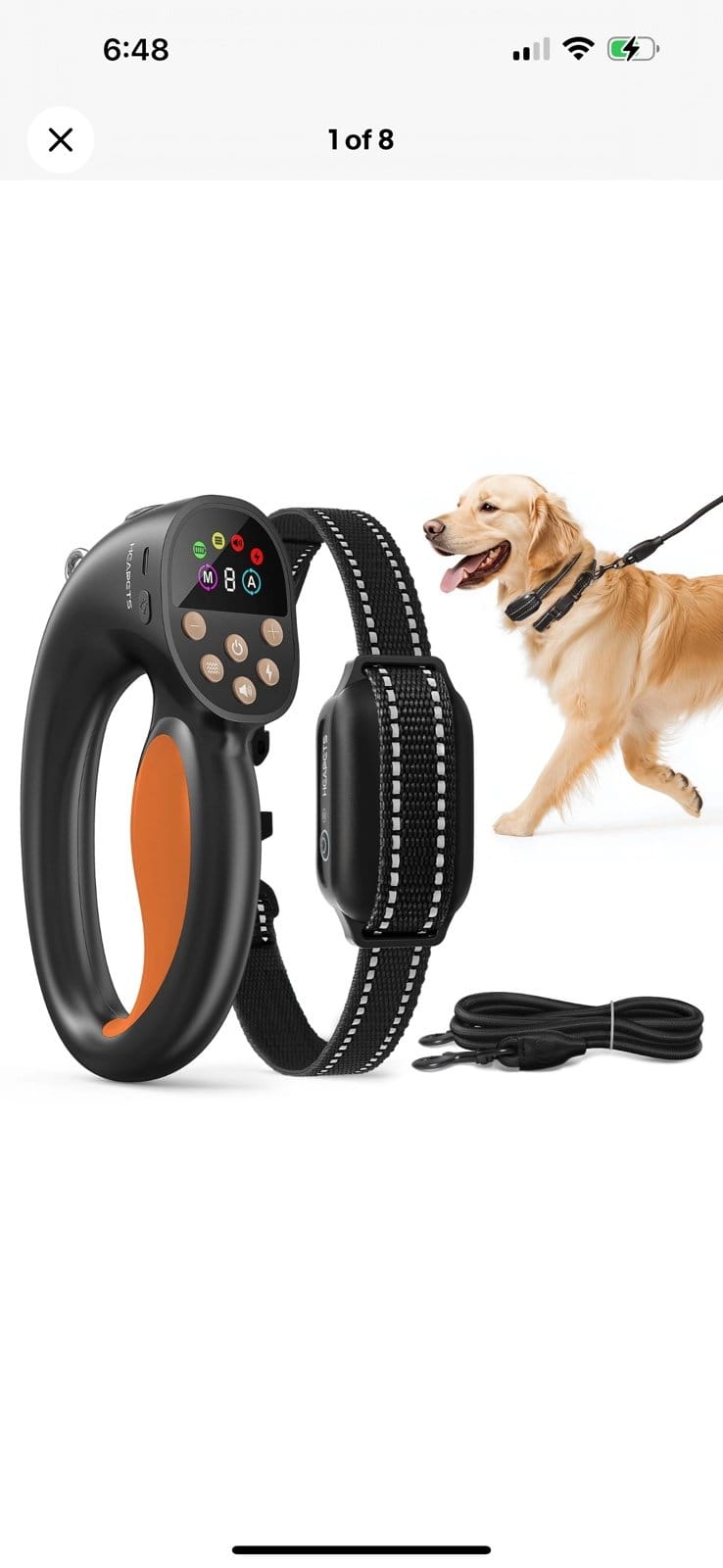
Navigating the world of dog training can be a rewarding journey, and for many, a remote shock training collar has become a tool to consider. Understanding what a dog shock training collar with remote entails, how it functions, and its ethical implications is crucial for any responsible pet owner. This guide aims to provide a thorough overview, helping you make an informed decision about whether this training method is right for your canine companion.
What is a Dog Shock Training Collar with Remote?
A dog shock training collar with remote, often referred to as an electronic collar or e-collar, is a device designed to aid in dog training by delivering a mild to strong static correction. The system typically consists of a collar that is worn by the dog and a handheld remote control used by the trainer. When the trainer presses a button on the remote, the collar on the dog emits a stimulus. This stimulus can range from a vibration or tone to a static electric shock, with the intensity adjustable by the user. The primary goal is to create an association between an unwanted behavior and an unpleasant sensation, thereby discouraging the behavior. For those interested in understanding the technology behind these devices, exploring options like remote dog training shock collar can offer valuable insights into the available features and functionalities.
How Does a Remote Dog Training Shock Collar Work?
The fundamental principle behind a remote dog training shock collar is operant conditioning, specifically positive punishment and negative reinforcement, depending on how it’s applied. When a dog exhibits an undesirable behavior, the trainer can activate the collar via the remote. This prompts a sensation for the dog, which is intended to be startling or uncomfortable enough to interrupt the behavior.
Here’s a simplified breakdown of the process:
- Undesirable Behavior: The dog barks excessively, jumps on guests, or runs off-leash in an unsafe area.
- Trainer Intervention: The trainer observes the behavior and, using the remote, applies a stimulus.
- Stimulus Delivery: The dog’s collar delivers a vibration, tone, or static shock.
- Behavior Interruption: The sensation momentarily distracts or corrects the dog, interrupting the unwanted action.
- Reinforcement (Optional but Recommended): Immediately after the interruption, if the dog exhibits a desired behavior (e.g., stops barking, sits calmly), the trainer can offer praise or a treat. This is where negative reinforcement can be applied – the removal of the unpleasant stimulus when the dog complies.
The effectiveness of these collars hinges on several factors, including the dog’s temperament, the trainer’s skill, the chosen intensity level, and consistent application. It’s important to use these collars as a tool to communicate with your dog, not as a punitive measure without proper understanding. Many resources, such as those discussing dog training shock collars with remote, detail the various modes and settings available to tailor the training to individual dogs.
Types of Stimuli and Their Application
Remote dog training shock collars offer a variety of stimulus options, allowing trainers to adapt their approach to different dogs and situations. Understanding these can help you select the most appropriate and humane method for your training goals.
Static Stimulation
This is the most commonly associated feature. The static shock is designed to be unpleasant but not harmful. It’s crucial to start at the lowest possible level that gets your dog’s attention and gradually increase only if necessary. Many modern collars allow for precise control over the intensity, ensuring you can find a level that effectively communicates without causing undue distress.
Vibration (Vibration Mode)
Many e-collars include a vibration-only setting. This is an excellent option for dogs who are sensitive to static stimulation or for introducing the concept of the collar. It can be used as a warning or a signal for the dog to pay attention, much like a tap on the shoulder. This mode is often preferred for its non-aversive nature and can be very effective for basic obedience cues.
Tone (Auditory Stimulus)
Similar to vibration, a tone can be used as a cue or a warning. It doesn’t involve any physical sensation but alerts the dog that something is about to happen or that they need to pay attention. This can be particularly useful for dogs who respond well to auditory cues.
Low-Level Stimulation
This refers to a very mild static sensation, often just enough to get a dog’s attention or to reinforce a command when they are slightly distracted. It’s a step up from vibration and tone but still very mild.
When considering different training tools, exploring options like a remote shock dog training collar can help you see the range of features available, including different modes of stimulation.
When to Consider a Remote Dog Training Collar
Remote dog training collars are often considered when other, more conventional training methods have proven insufficient or when specific behavioral issues pose a safety risk. It’s generally advised to consult with a professional dog trainer or behaviorist before using such devices.
Consider a remote dog training collar if:
- Off-Leash Reliability is Critical: For dogs that tend to stray far or have poor recall, a remote collar can provide an added layer of safety, ensuring they respond to commands even at a distance. This is particularly relevant for working dogs or those in rural environments.
- Persistent Behavioral Issues: If your dog has deeply ingrained habits like excessive barking, chasing livestock, or aggressive behaviors towards other animals, and positive-only methods have not yielded satisfactory results, a remote collar might be considered as part of a broader training plan.
- Safety Concerns: When a dog’s behavior poses a significant risk to themselves or others (e.g., running into traffic, preying on smaller animals), a tool that can reliably interrupt dangerous actions is often explored.
- Professional Guidance is Available: Using these collars effectively and ethically requires knowledge. When a qualified trainer recommends and supervises their use, it significantly increases the chances of a positive outcome.
It’s important to remember that these collars are tools, not magic wands. They require consistent, knowledgeable application and should be used in conjunction with positive reinforcement techniques to build a strong bond with your dog. Learning about the best rated dog training collar can give you an idea of the quality and features available in the market.
Ethical Considerations and Controversies
The use of remote dog training collars, particularly those involving static shock, is a subject of significant debate within the animal behavior and training community. While proponents argue they can be effective and humane when used correctly, critics raise serious concerns about potential negative impacts on a dog’s welfare.
Arguments Against Use:
- Potential for Misuse: If used incorrectly, with excessive intensity, or for prolonged periods, these collars can cause physical pain, fear, anxiety, and stress in dogs. This can lead to a breakdown in the human-animal bond and a decline in the dog’s overall well-being.
- Behavioral Fallout: Dogs may associate the shock with the handler, other dogs, or even harmless stimuli, leading to fear-aggression, avoidance behaviors, or learned helplessness.
- Ethical Concerns: Many believe that intentionally inflicting pain or discomfort on an animal is unethical, regardless of the training outcome. Organizations like the ASPCA and the Humane Society of the United States generally advise against the use of shock collars.
- Availability of Alternatives: Critics emphasize that positive reinforcement-based training methods are highly effective for most behavioral issues and do not carry the same risks of causing psychological or physical harm.
Arguments For Use (with caveats):
- Effective for Specific Issues: Proponents suggest that in cases of severe behavioral problems or for off-leash reliability where other methods have failed, a properly applied shock collar, under the guidance of a certified professional, can be a humane and effective tool.
- Safety: For certain dangerous behaviors, a shock collar might be the quickest way to interrupt a life-threatening action, potentially saving the dog or others from harm.
- Communication Tool: When used at low levels, the static sensation can serve as a clear communication signal to the dog, particularly when other cues are ignored.
The key to responsible use, if one chooses to use these collars, lies in professional guidance, starting with the lowest possible setting, using it only to interrupt unwanted behavior, and immediately rewarding desired behavior. It is also imperative to understand your specific dog’s temperament and sensitivity. Many resources on dog training shock collar with remote also address the ethical debates surrounding their use.
Best Practices for Using a Remote Dog Training Collar
If you decide, in consultation with a professional, to use a remote dog training collar, adhering to strict best practices is paramount to ensure the safety and well-being of your dog. Misuse can lead to irreversible damage to your dog’s behavior and your relationship.
- Consult a Professional: Always work with a certified professional dog trainer or veterinary behaviorist who has experience with e-collars. They can assess your dog’s needs, determine if this tool is appropriate, and guide you on its correct application.
- Start with the Lowest Setting: Begin at the lowest perceivable stimulation level for your dog. This is often a mild tingle or buzz that causes a momentary head-turn or ear twitch. Never start at a high setting.
- Use for Interruption Only: The primary purpose of the shock should be to interrupt an unwanted behavior, not to punish the dog. For example, if your dog is about to run into the street, use the collar to interrupt them, then immediately reward them for stopping or coming back.
- Pair with Positive Reinforcement: Immediately after the interruption, praise and reward your dog for any sign of compliance or desired behavior. This helps your dog understand what you do want them to do, not just what you don’t want.
- Understand Your Dog’s Signals: Pay close attention to your dog’s body language. Signs of fear, anxiety, or stress (panting, lip licking, yawning, tucked tail, avoidance) indicate the stimulation may be too high or the training approach is causing distress.
- Limit Usage: Do not leave the collar on your dog for extended periods, and avoid using it as a constant management tool. It should be used strategically during specific training sessions.
- Ensure Proper Fit: The collar should fit snugly but comfortably, allowing you to slip one finger between the collar and your dog’s neck. Poor fit can lead to ineffective stimulation or skin irritation.
- Consider Alternatives First: Explore and exhaust all positive reinforcement training methods before resorting to a shock collar. Many issues can be resolved effectively with patient, reward-based training.
- Do Not Use on Puppies: Young puppies have different developmental needs and may not be able to process the sensation appropriately. Their learning capacity is also still developing.
- Understand the Law: Be aware of local regulations regarding the use of electronic training collars, as some areas have restrictions or bans.
For those seeking detailed information on selecting and using these devices, exploring guides on remote dog training shock collar can be beneficial.
Frequently Asked Questions About Dog Shock Training Collars
Q1: Are dog shock training collars cruel?
A1: The cruelty of these collars is a contentious issue. When misused, at high intensities, or without professional guidance, they can cause significant physical and psychological harm. However, proponents argue that when used correctly as a communication tool at low levels and under expert supervision, they can be a humane part of a comprehensive training program.
Q2: Can a shock collar permanently damage my dog?
A2: While permanent physical injury from modern collars is rare if used properly, improper use can lead to long-term behavioral issues such as increased anxiety, fear, aggression, and a damaged bond with the owner.
Q3: What are the alternatives to shock collars?
A3: Numerous positive reinforcement-based training methods are highly effective. These include using treats, praise, toys, clicker training, and leash work to guide behavior. Many trainers specialize in these methods and can achieve excellent results without aversive tools.
Q4: How do I know if the shock level is too high?
A4: Signs that the stimulation is too high include your dog yelping, flinching dramatically, trying to escape, showing fear or anxiety (panting, lip licking, avoiding eye contact), or becoming aggressive. Always start at the lowest setting and observe your dog’s subtle reactions.
Q5: Can I use a shock collar for leash training?
A5: While some trainers might use it to interrupt leash pulling, it’s generally not recommended as a primary tool for leash training. Positive reinforcement methods, like rewarding loose-leash walking and teaching the dog to stay by your side, are more effective and build a better relationship.
Q6: Do shock collars work on all dogs?
A6: Effectiveness varies greatly depending on the individual dog’s temperament, sensitivity, motivation, and the handler’s skill. Some dogs may respond well, while others might become more fearful or defiant.
Q7: Are there specific breeds that should not use shock collars?
A7: Dogs with a naturally anxious, fearful, or sensitive temperament may be more prone to negative side effects. Similarly, dogs with a history of trauma or aggression should be handled with extreme caution, and professional evaluation is essential.
Conclusion: A Tool of Last Resort
The remote dog training shock collar is a tool that evokes strong opinions. While it can be effective in addressing certain severe behavioral issues or enhancing off-leash reliability when used correctly and ethically under professional guidance, it is not without risks. The potential for misuse, leading to fear, anxiety, and behavioral fallout, is significant.
For most dog owners, the vast array of positive reinforcement training techniques offers a safer, more humane, and ultimately more rewarding path to a well-behaved canine companion. The decision to use a remote shock training collar should be made only after exhausting all other options and in close consultation with a qualified professional. Prioritizing your dog’s emotional and physical well-being should always be the guiding principle in your training journey.
