
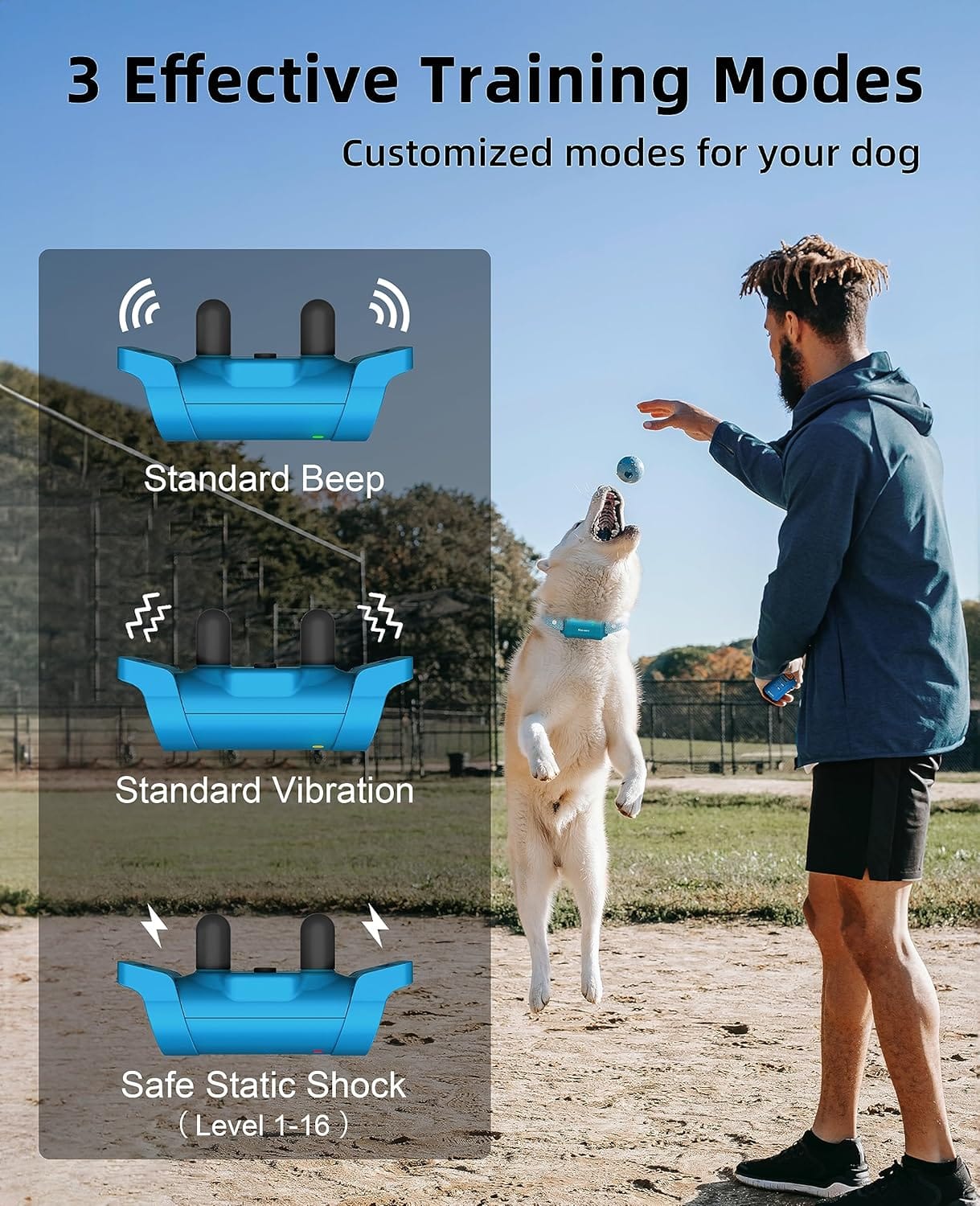
The world of dog training can feel like a maze, with various tools and techniques promising the best results. Among these, the Dog Shock Training Collar has emerged as a controversial yet frequently discussed option. Understanding what a dog shock training collar is, how it works, and its implications is crucial for any responsible dog owner. This guide aims to provide a balanced overview, helping you navigate the complexities surrounding this training tool.
What is a Dog Shock Training Collar?
A dog shock training collar, often referred to as an e-collar or electronic collar, is a device worn around a dog’s neck that delivers an electrical stimulation. These collars are typically controlled by a remote or programmed to activate based on specific triggers, such as barking or movement. The stimulation can range from a mild sensation, often described as a buzzing or tingling, to a more intense jolt, depending on the setting and the dog’s sensitivity. They are primarily used for behavior modification, aiming to deter unwanted actions like excessive barking, aggression, or running away. The underlying principle is that the unpleasant sensation associated with the collar will teach the dog to associate the action with discomfort, thereby discouraging the behavior.
How Do Dog Shock Training Collars Work?
The mechanism behind a dog shock training collar is relatively straightforward. The collar contains two contact points that rest against the dog’s skin. When activated, these points deliver a mild electrical current. This current is not intended to cause pain but rather a distraction or an unpleasant sensation that interrupts the dog’s behavior. For instance, if a dog is barking incessantly, the collar might be set to deliver a stimulation after a certain duration of barking. The dog, surprised by the sensation, stops barking. Over time, the dog learns to associate the cessation of barking with avoiding the stimulation. Similarly, for recall training, a remote-controlled collar can be used to deliver a mild stimulation if the dog doesn’t respond to a verbal cue, encouraging them to return to the owner. The effectiveness, however, hinges on proper use, understanding canine behavior, and the correct calibration of the stimulation level. It’s essential to remember that these collars are tools, and their impact, positive or negative, is largely determined by the handler’s knowledge and application.
The Controversy and Ethical Considerations
The use of dog shock training collars is a hotly debated topic within the animal behavior and training community. Critics argue that these devices are inhumane and can cause undue stress, fear, and even physical harm to dogs. They point to the potential for misuse, such as using excessive stimulation, incorrect application, or relying on the collar as a substitute for proper training and understanding of canine behavior. The psychological impact can be significant, leading to anxiety, aggression, and a breakdown in the trust between dog and owner. Many professional organizations, including the American Veterinary Society of Animal Behavior (AVSAB), have issued statements recommending against the use of aversive training methods, which include shock collars. They advocate for positive reinforcement techniques, which focus on rewarding desired behaviors.
Conversely, proponents argue that when used correctly and ethically, shock collars can be an effective tool for specific training situations, particularly for dogs with severe behavioral issues or those that pose a safety risk. They emphasize that modern e-collars offer a wide range of adjustable stimulation levels, allowing for precise control and minimal discomfort. Some trainers believe that for certain dogs, a mild static stimulation is less stressful than the potential consequences of uncontrolled behaviors, such as being hit by a car or causing harm to others. The key, they assert, lies in the trainer’s expertise, the dog’s individual temperament, and a gradual approach to introducing the tool. They stress the importance of using the lowest effective stimulation level and always pairing it with positive reinforcement.
When Might a Shock Collar Be Considered?
While positive reinforcement is widely considered the gold standard in dog training, there are specific scenarios where some professionals might consider the use of a dog shock training collar, albeit with extreme caution and under strict professional supervision. These situations often involve dogs with deeply ingrained, high-drive behaviors that are not responsive to other methods.
- Recall Training for Hard-to-Reach Dogs: For dogs with a severe prey drive or a tendency to bolt, traditional recall methods may not be sufficient to ensure their safety. In such cases, a shock collar, used judiciously, can provide a reliable way to get the dog’s attention and reinforce the recall command, especially in off-leash situations where the dog’s life might be at risk. The goal is to interrupt the chase instinct and redirect the dog’s focus back to the owner.
- Barking Control for Severe Cases: Dogs that bark excessively, to the point of causing distress to the owners, neighbors, or even the dog itself (leading to vocal cord damage), might be candidates. The collar acts as a deterrent, interrupting the barking cycle and allowing the owner to work on addressing the underlying cause of the barking, whether it’s anxiety, boredom, or territoriality.
- Containment and Boundary Training: For some properties, especially large ones, maintaining a physical fence can be challenging. Electronic containment systems, which utilize a shock collar, can help keep dogs within a designated area. While controversial, when properly implemented, these systems can prevent dogs from wandering into dangerous areas or disturbing livestock.
- Professional Working Dogs: In some specialized fields, such as military or police K9 units, or search and rescue dogs, shock collars might be employed as part of a comprehensive training program. The high-stakes nature of their work often necessitates rapid and reliable obedience in demanding environments, where a moment’s disobedience could have severe consequences.
It is crucial to reiterate that the decision to use a dog shock training collar should never be taken lightly. It requires a thorough assessment of the dog’s temperament, the specific behavior issue, and the owner’s ability to use the tool ethically and effectively. Consultation with a certified professional dog trainer or a veterinary behaviorist is highly recommended before considering this training method.
Alternatives to Dog Shock Training Collars
Fortunately, a wide array of effective and humane training alternatives exists, focusing on positive reinforcement and understanding canine behavior. These methods build a strong bond between dog and owner and address the root causes of behavioral issues rather than simply suppressing them.
- Positive Reinforcement Training: This is the most widely recommended approach. It involves rewarding desired behaviors with treats, praise, or toys. For example, to train a “sit,” you would reward your dog the moment their rear touches the ground. This method fosters a positive association with training and strengthens the dog-owner relationship.
- Clicker Training: A specific form of positive reinforcement, clicker training uses a clicker to mark the exact moment a dog performs the desired behavior, followed immediately by a reward. The distinct sound of the clicker becomes a clear signal to the dog, helping them understand precisely what they are being rewarded for.
- Leash and Harness Techniques: For issues like pulling on the leash, specialized harnesses (like front-clip harnesses) can redirect the dog’s pulling force, making walks more manageable without causing discomfort. Training methods involve rewarding loose-leash walking and teaching the dog to stay close.
- Management Tools: Sometimes, simply managing the environment or the dog’s access to certain situations can prevent unwanted behaviors. This might include using baby gates to restrict access to specific rooms, providing puzzle toys to combat boredom, or using crates for house training and to provide a safe den for the dog.
- Behavioral Modification Strategies: For more complex issues like separation anxiety or fear-based aggression, a certified professional trainer or veterinary behaviorist can develop a tailored behavior modification plan. This often involves desensitization and counter-conditioning, gradually exposing the dog to triggers at a low intensity while pairing them with positive experiences.
- Verbal Cues and Hand Signals: Clear and consistent verbal commands and hand signals are fundamental to all training. Teaching commands like “come,” “stay,” and “leave it” using positive methods can effectively manage a dog’s behavior in various situations.
The effectiveness of these alternatives lies in consistency, patience, and a commitment to understanding your dog’s individual needs and motivations. They not only address behavioral problems but also enrich the dog-owner relationship, fostering trust and mutual respect.
Conclusion: Making an Informed Decision
The decision to use a dog shock training collar is a significant one, with ethical considerations and potential consequences that must be carefully weighed. While proponents argue for their efficacy in specific, challenging situations when used by experts, the overwhelming consensus among many animal behaviorists and trainers favors positive, reward-based methods. These alternatives not only achieve training goals but also build a stronger, more trusting relationship between you and your canine companion. If you are struggling with a particular behavior, the most responsible first step is to consult with a qualified professional. They can help you understand the root cause of the issue and guide you toward the most effective and humane training solutions. Ultimately, the goal is a well-behaved dog that is also a happy, confident, and well-adjusted member of the family. The journey to achieve this may vary, but a foundation of trust and positive reinforcement is always the most rewarding path.
