
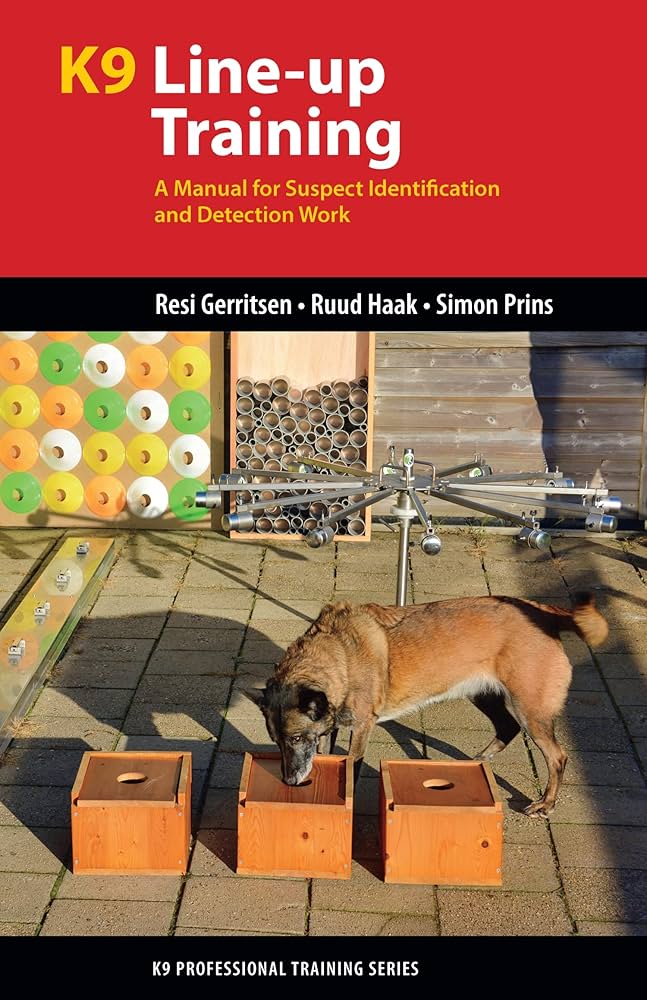
Are you looking for a way to engage your canine companion mentally and physically, while strengthening the bond between you? A dog scent training kit might be the perfect solution. Scent work is an incredibly rewarding activity that taps into your dog’s natural instincts, offering a fun and effective outlet for their energy and intelligence. It’s more than just a game; it’s a powerful tool for building confidence, improving focus, and addressing behavioral challenges in dogs of all breeds, ages, and backgrounds.
The world of scent training offers a fascinating glimpse into how dogs perceive their environment. Unlike us, who rely heavily on sight, dogs experience the world primarily through their noses. Their olfactory system is thousands, sometimes millions, of times more sensitive than ours, allowing them to detect and differentiate a vast array of scents. Harnessing this incredible ability through scent training not only provides mental stimulation but also fosters a deeper understanding and partnership between you and your dog. Whether you’re a seasoned dog trainer or a new pet parent, incorporating scent work into your routine can be a game-changer.
The Science Behind Canine Olfaction: Why Scent Training Works
To truly appreciate the effectiveness of a dog scent training kit, it’s essential to understand the remarkable capabilities of a dog’s nose. Dogs possess an extraordinary sense of smell, estimated to be up to 100,000 times more acute than that of humans. This isn’t just about smelling things from farther away; it’s about their ability to decipher complex scent profiles.
A dog’s nasal cavity is lined with specialized olfactory receptors, and the part of their brain dedicated to processing smell is proportionally much larger than ours. When a dog inhales, they not only draw air into their lungs for respiration but also direct a significant portion of it over the olfactory epithelium, a tissue containing millions of scent receptors. Furthermore, dogs have a unique anatomical feature called the vomeronasal organ (or Jacobson’s organ), which detects pheromones – chemical signals that convey information about emotions, health, and reproductive status.
This complex olfactory system allows dogs to:
- Identify individuals: They can recognize people and other animals by their unique scent signatures.
- Detect emotions: Subtle changes in body odor can indicate fear, stress, or excitement.
- Track over time: They can follow scent trails that are hours or even days old.
- Discern different substances: They can distinguish between various types of materials, even if they smell similar to us.
When you introduce a dog scent training kit, you are essentially providing a structured way to utilize and enhance these innate abilities. The training process encourages dogs to focus their attention on specific scents, rewarding them for successful identification and retrieval. This focused activity is incredibly mentally taxing and satisfying for a dog, helping to prevent boredom and reduce the likelihood of destructive behaviors that often stem from under-stimulated minds.
Benefits of Scent Training for Your Dog
Incorporating scent training into your dog’s life, often facilitated by a dog scent training kit, offers a wealth of advantages that extend far beyond mere entertainment. These benefits can profoundly impact your dog’s overall well-being, behavior, and your relationship with them.
Mental Stimulation and Cognitive Health
Dogs, like humans, need mental challenges to stay sharp and engaged. Scent work provides a robust cognitive workout. By tasking them with finding hidden scents, you encourage problem-solving, enhance their concentration, and improve their memory. This mental engagement is crucial for preventing cognitive decline as dogs age and can even help manage or mitigate anxiety and stress. A tired dog is often a well-behaved dog, and mental fatigue from scent training can be just as effective as physical exercise in curbing restless energy.
Physical Exercise
While primarily a mental activity, scent training also involves physical movement. Your dog will be searching, sniffing, and potentially running or digging to find the hidden targets. This physical exertion contributes to their overall fitness, helps maintain a healthy weight, and can be particularly beneficial for dogs who may have physical limitations that prevent rigorous running or jumping.
Improved Focus and Impulse Control
Scent training demands a high level of concentration. Dogs must learn to ignore distractions and focus solely on the target scent. This repeated practice in focused searching helps them develop better impulse control in various situations. They learn to persevere through challenges and resist the urge to chase other stimuli when engaged in a scent-related task. This can translate to better obedience and a more manageable companion in everyday life.
Addressing Behavioral Issues
Many common behavioral problems in dogs, such as anxiety, destructiveness, and excessive barking, stem from boredom, excess energy, or lack of appropriate outlets. Scent training provides a constructive and highly satisfying way for dogs to expend their energy and natural drives. For instance, dogs that tend to dig may find an appropriate outlet for their burrowing instincts through scent games. Similarly, anxious dogs can find comfort and focus in the structured predictability of a scent training session.
Strengthening the Human-Animal Bond
The collaborative nature of scent training is a powerful relationship builder. You and your dog work together as a team, with you guiding and rewarding them. This shared activity fosters trust, communication, and a deeper understanding of each other’s cues and capabilities. The success your dog experiences in finding the scent, and the positive reinforcement they receive from you, creates a powerful positive association with your interactions. This shared success is a cornerstone of a strong, lasting bond.
Choosing the Right Dog Scent Training Kit
When embarking on the journey of scent training with your dog, selecting the right dog scent training kit is a crucial first step. The market offers a variety of options, each with its own set of components and suitability for different training goals and dog personalities. Understanding what to look for will help you make an informed decision that sets you and your dog up for success.
Key Components of a Scent Training Kit
A good scent training kit typically includes several essential items designed to facilitate the learning process:
- Scent Articles/Containers: These are objects that will hold the target scent. They can range from small tins with holes, to plastic containers, to fabric items. The variety allows for different challenges and helps dogs learn to identify scents on various surfaces and in different forms.
- Target Scents: The kit may include small vials or tins of essential oils or other compounds that serve as the target scent. Common scents used in introductory training include anise, birch, and clove. These are typically food-grade and safe for dogs when handled appropriately.
- Training Aids: Some kits come with additional items like scent pots, scent cloths, or even specific training mats that help create a more structured training environment. These can be useful for progressive training, starting with easier hides and moving to more complex ones.
- Instructional Material: A comprehensive kit will usually include a guide or manual that outlines basic scent training principles, safety precautions, and step-by-step instructions on how to introduce the training to your dog.
Factors to Consider When Selecting a Kit
Your Dog’s Experience Level:
- Beginner Kits: These often focus on simple scent discrimination, using fewer scents and easier hiding spots. They are ideal for dogs new to scent work and owners who are just starting out.
- Intermediate/Advanced Kits: These might include a wider variety of scents, more challenging containers, and advanced training protocols designed for dogs that have mastered the basics.
Type of Scent Training:
- General Scent Work: Kits designed for general scent games and mental stimulation.
- Specific Disciplines: Some kits are geared towards specific types of scent detection, such as those used in sports like nose work or professional detection work, though introductory kits are usually sufficient for pet owners. For those interested in specialized training, resources like diabetic alert dog training might offer tailored approaches.
Quality and Safety of Materials:
- Ensure that any scent oils included are specifically formulated for dog training and are safe for canine olfaction.
- The containers should be durable, easy to clean, and appropriately sized for your dog to interact with.
Included Guidance:
- Look for kits that provide clear, easy-to-follow instructions. A good guide can make a significant difference, especially for novice handlers. The quality of instruction can be as important as the physical components of the kit.
Budget:
- Kits vary in price. Determine your budget and find a kit that offers the best value and features within that range. While specialized equipment can be expensive, a basic dog scent training kit is a worthwhile investment for the benefits it provides.
Getting Started with Your Dog Scent Training Kit
Once you have your dog scent training kit in hand, the excitement of starting scent training with your dog can be immense. However, approaching the initial sessions with patience and a clear plan is key to a positive and successful experience for both of you. Remember, this is about building a fun activity and strengthening your bond, not about high-stakes performance.
Step-by-Step Introduction to Scent Training
Introduce the Scent:
- Start by familiarizing your dog with the target scent in a controlled environment. Place a small amount of the scent on a cotton swab or scent article.
- Let your dog sniff it directly from your hand or a container. Offer enthusiastic praise and a high-value treat (something your dog absolutely loves) as soon as they show interest.
- Repeat this several times over a few short sessions until your dog clearly associates the scent with a positive reward. Avoid overwhelming them with too much scent or too many repetitions at once.
The Blind:
- Once your dog understands the scent, it’s time for the first “blind.” Place the scent article in a simple, obvious location where your dog can easily find it. This could be on the floor in front of them, or under a simple object like a cup.
- Present the scent article to your dog, and then encourage them to search. As soon as they locate and sniff the target, mark the behavior with a verbal cue like “Yes!” or a clicker, and immediately reward them with praise and a treat.
Gradually Increase Difficulty:
- Location: Start hiding the scent in slightly more challenging spots. Begin in a single room, then progress to other rooms, and eventually outdoors. Hide it at different heights – on a low shelf, under a rug, or behind a piece of furniture.
- Distractions: Once your dog is reliably finding the scent in easy locations, introduce mild distractions. This could be another person walking by, or a favorite toy placed nearby (but not so close it becomes the focus). The goal is to teach them to focus on the target scent despite other stimuli.
- Number of Hides: Initially, have only one target scent to find. As your dog progresses, you can introduce multiple “blanks” (objects without the target scent) along with the single target scent. This teaches discrimination.
Introduce New Scents (if using a kit with multiple scents):
- Once your dog has mastered the first scent, introduce a second one using the same familiarization process.
- Train with each scent individually before combining them in a search. This ensures they can differentiate between the scents.
Tips for Success
- Keep Sessions Short and Fun: Aim for sessions of 5-10 minutes, a few times a day. End on a positive note, while your dog is still engaged and successful.
- Use High-Value Rewards: Whatever your dog loves most – special treats, a favorite toy, or enthusiastic praise – use it generously.
- Be Patient: Every dog learns at their own pace. Some may grasp scent training quickly, while others might need more time and repetition. Avoid frustration.
- Observe Your Dog: Pay attention to your dog’s body language. If they seem confused, stressed, or losing interest, simplify the search or end the session.
- Safety First: Always ensure the scents you are using are safe for dogs. Avoid essential oils that are toxic to canines. When hiding scents, make sure they are in locations where your dog won’t be tempted to ingest them. For more advanced training, understanding concepts like no shock dog training collars can be relevant for managing focus, but scent training itself should always be positive reinforcement-based.
- Consistency is Key: Regular practice, even in short bursts, will yield the best results.
Common Challenges and Solutions in Scent Training
As you and your dog embark on scent training adventures with your dog scent training kit, you might encounter a few common hurdles. Understanding these challenges and knowing how to address them can help you navigate the training process smoothly and keep the experience positive and productive.
Challenge 1: Dog is Not Interested in the Scent
- Why it Happens: The dog may not yet understand the game, the scent might not be appealing enough, or they might be distracted by a more desirable stimulus.
- Solutions:
- Increase Reward Value: Use extremely high-value treats or a beloved toy specifically for scent training sessions.
- Proper Scent Introduction: Ensure you’ve spent enough time making the scent a positive association. Repeat the initial scent introduction steps, pairing the smell with immediate rewards.
- Manage Environment: Start in a quiet, distraction-free area. Gradually introduce distractions once the dog shows consistent interest.
- Alternative Scents: If using a kit with multiple scents, try a different one. Some dogs might have a stronger preference for certain scents.
Challenge 2: Dog is Distracted by Other Smells or Objects
- Why it Happens: The dog’s natural curiosity overrides their focus on the target scent, especially in new environments or when familiar, high-interest items are present.
- Solutions:
- Environmental Control: Begin in a controlled, scent-neutral environment.
- Progressive Difficulty: As mentioned in the “Getting Started” section, gradually introduce distractions only after the dog is reliably finding the scent in easier conditions.
- “Leave It” Training: A solid “leave it” command can be invaluable for helping your dog bypass distractions and focus on the task at hand.
- Reinforce Target Focus: Heavily reward any instance where the dog chooses to engage with the target scent over a distraction.
Challenge 3: Dog Grabs and Eats the Scent Article or Target Scent
- Why it Happens: The dog may be motivated by food and see the training object or scent as a treat, or they simply have a tendency to mouth objects.
- Solutions:
- Use Appropriate Containers: Utilize containers that make it difficult for the dog to directly consume the scent or article, such as tins with small holes.
- Teach a “Take It” and “Give It” Command: Ensure your dog understands how to politely take and release objects.
- Mark and Reward Investigation, Not Consumption: Train your dog to smell the article and then indicate they’ve found it (e.g., by sitting or looking back at you), rather than trying to eat it. Reward the correct behavior immediately. If they try to eat it, calmly retrieve it and try again with a simpler hide or a container that prevents ingestion.
- “No Shock Dog Training Collars” vs. Positive Reinforcement: While tools designed for control exist, scent training thrives on positive reinforcement. Focus on rewarding the desired behavior of sniffing and identifying, rather than punishing unwanted behaviors like mouthing.
Challenge 4: Dog Gives Up or Shows Frustration
- Why it Happens: The task may be too difficult, the sessions too long, or the dog might be experiencing anxiety.
- Solutions:
- Simplify the Search: Go back to an easier level where the dog can experience success.
- Shorten Sessions: Keep training sessions brief and engaging. Always end on a positive note.
- Rule Out Other Issues: Ensure the dog isn’t tired, hungry, or experiencing other stress factors unrelated to the training.
- Check for Physical Discomfort: If the dog suddenly loses interest or shows aversion to searching, consult a veterinarian to rule out any underlying health issues.
By understanding these potential challenges and implementing the suggested solutions, you can ensure that scent training remains a joyful and beneficial activity for your dog, fostering their natural abilities and strengthening your unique partnership.
Beyond the Kit: Advancing Your Scent Training Journey
While a dog scent training kit provides an excellent foundation, the world of canine scent work is vast and offers numerous avenues for continued learning and engagement. As your dog gains confidence and proficiency, you may wish to explore more advanced techniques or even participate in organized scent work sports.
For those interested in specific applications, like training dogs for specialized tasks, resources are available. For example, understanding how to train deer tracking dogs involves similar principles of scent discrimination but requires a more targeted approach to scent and environment. Likewise, the intricacies of diabetic alert dog training demand a high level of reliability and precision in scent detection, often involving health-related target odors.
If you’re looking for alternatives or complementary training methods, consider exploring options like “nose work” or scent detection sports. These activities are specifically designed to challenge a dog’s olfactory senses and problem-solving skills in a fun, competitive, or recreational setting. Many organizations offer classes and trials for various levels, allowing you to test your dog’s skills and meet other enthusiasts.
For owners seeking tools that enhance, rather than replace, traditional training, exploring options like dog scent training kit alternatives or even advanced training aids can be beneficial. Some trainers use specialized equipment that requires more complex scent discrimination, such as advanced scent wheels or containers that mimic real-world scenarios. However, always remember that the most critical element is the positive reinforcement and the bond you build with your dog. Regardless of the specific tools or activities you choose, the core principles of patience, consistency, and making scent work a rewarding experience will always lead to the greatest success.
