
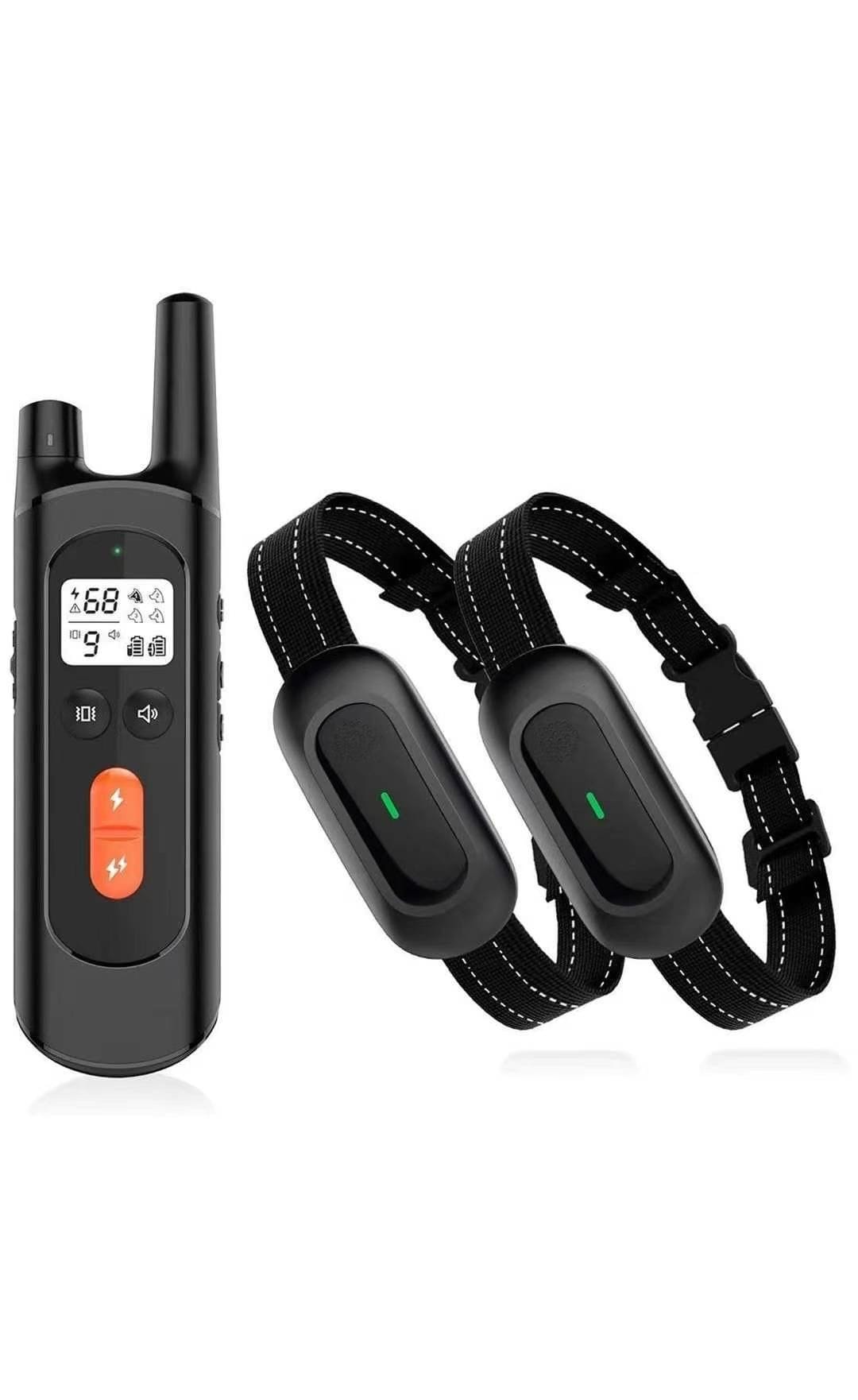
Welcome to the world of modern dog training, where technology meets the timeless bond between humans and their canine companions. If you’re looking to refine your dog’s behavior, build a stronger connection, or tackle specific training challenges, Dog Remote Training Collars might be a tool you’re considering. This guide will delve into what these collars are, how they work, and how to use them responsibly to foster a well-behaved and happy dog.
Understanding Dog Remote Training Collars
At its core, a dog remote training collar system consists of two main components: a transmitter (the remote control) and a receiver collar worn by the dog. The transmitter allows the handler to send a signal to the receiver, which then delivers a stimulation to the dog. These stimulations can range from a simple vibration or tone to a mild static correction. It’s crucial to understand that these collars are designed as training aids, not as a punishment device, and their effectiveness hinges on proper and ethical use.
How Do They Work?
The concept is straightforward: you use the remote to communicate with your dog during training sessions. When your dog exhibits a desired behavior, you can use the collar to provide a positive reinforcement marker (like a tone or vibration) or to interrupt an unwanted behavior with a gentle correction. The key is consistency and timing. The correction, if used, should be immediate, mild, and directly linked to the action you want to modify. Many modern systems also include features like GPS tracking, making them versatile tools for various training scenarios.
The Purpose and Benefits of Remote Training Collars
The primary goal of using dog remote training collars is to provide a clear and consistent line of communication between you and your dog, especially during the foundational stages of training or when addressing persistent behavioral issues.
Enhancing Communication and Control
These collars can be particularly beneficial in situations where a physical leash is impractical or unsafe, such as in open fields or during off-leash training. They allow you to reinforce commands or redirect your dog’s attention from a distance, providing an extra layer of control and safety. This remote communication can be invaluable for recall training, preventing your dog from running off, or stopping them from engaging in potentially dangerous activities.
Addressing Specific Behavioral Challenges
From excessive barking to chasing squirrels, many common dog behaviors can be managed and modified with the help of remote training collars when used as part of a broader training plan. They offer a way to interrupt unwanted actions in the moment they occur, helping your dog to understand what is acceptable and what is not. This immediate feedback is often more effective than delayed corrections.
Choosing the Right Remote Training Collar
The market offers a wide array of dog training collars with remote options, each with varying features and levels of intensity. Selecting the right one is paramount for effective and humane training.
Key Features to Consider
When looking for the best remote dog training collar, consider the size and breed of your dog, as well as the specific training goals. Look for collars that offer adjustable levels of stimulation, allowing you to find the lowest effective setting for your dog. Features like waterproof receivers, long battery life, and a user-friendly remote are also important practical considerations. Some advanced models even offer multiple modes of communication, such as vibration, tone, and static correction, giving you flexibility in your approach.
Understanding Stimulation Levels
It’s vital to understand that “correction” does not mean “pain.” Modern training collars are designed to deliver a mild sensation that gets the dog’s attention. Start with the lowest possible setting and gradually increase only if necessary, always observing your dog’s reaction. The goal is to find a level that elicits a response without causing fear or distress. If you are unsure about the appropriate levels, consulting a professional dog trainer is highly recommended.
Ethical and Effective Use of Dog Remote Training Collars
The responsible use of dog remote collar training is not just about having the right equipment; it’s about understanding the principles of positive reinforcement and canine behavior.
The Importance of Positive Reinforcement
Remote training collars should always be used in conjunction with positive reinforcement methods. This means rewarding your dog for good behavior. The collar’s correction is intended to interrupt unwanted actions, creating an opportunity for you to redirect your dog and then reward the correct behavior. Never use the collar as a substitute for positive training or to punish your dog for something they’ve done in the past.
When to Seek Professional Guidance
While remote training collars can be effective tools, they are not a magic bullet. For severe behavioral issues, or if you are new to dog training, it is highly advisable to work with a certified professional dog trainer. They can help you understand your dog’s behavior, select the appropriate equipment, and develop a comprehensive training plan that prioritizes your dog’s well-being. A professional can guide you on the proper application of remote control dog trainer devices, ensuring they are used ethically and effectively.
Common Misconceptions About Remote Training Collars
It’s important to address some common misunderstandings surrounding these training tools.
Debunking Myths
One prevalent myth is that remote training collars are cruel or harmful. When used correctly and ethically, they are designed to be safe and effective. The stimulation is typically very mild, serving as a communication tool rather than a punishment. Another misconception is that they are a shortcut to training. In reality, they require consistent effort, patience, and a deep understanding of your dog’s learning process. They are most effective when integrated into a well-rounded training program that includes positive reinforcement, socialization, and clear communication.
Focusing on the Dog’s Well-being
Ultimately, the success of any training method, including the use of dog training collars with remote functionality, depends on prioritizing the dog’s welfare. This means understanding their body language, providing adequate training and socialization, and ensuring that the tools used are applied humanely and effectively. The bond between you and your dog should always be the central focus, with training serving to strengthen that relationship.
Conclusion: A Tool for a Stronger Bond
Dog remote training collars can be a valuable asset in a dog owner’s toolkit when used with knowledge, responsibility, and a commitment to positive training principles. They offer a unique way to enhance communication, manage behaviors, and ultimately build a deeper, more trusting relationship with your canine companion. Remember, the goal is not just a well-behaved dog, but a happy, confident, and well-adjusted member of your family.
