
Is your dog’s leash pulling turning a simple walk into a tug-of-war battle? You’re not alone. Many dog owners struggle with this common behavior, but the good news is that with the right techniques and consistent effort, you can teach your canine companion to walk politely by your side. This guide will delve into effective dog leash training methods to help you and your furry friend enjoy more peaceful and pleasant strolls.
Understanding why dogs pull on the leash is the first step towards a solution. Most often, dogs pull because they are simply excited to explore the world around them, or because they’ve learned that pulling gets them where they want to go faster. They might be eager to greet another dog, chase a squirrel, or simply get to the park. Sometimes, improper or ill-fitting collars and harnesses can also contribute to discomfort and pulling. To truly address this, we need to focus on positive reinforcement and clear communication.
The Root Causes of Leash Pulling
Before diving into training, let’s explore the common reasons behind your dog’s pulling behavior. Recognizing these can help tailor your approach.
Excitement and Overstimulation
Dogs, especially younger ones or those with high energy, get incredibly excited about the outside world. Smells, sights, and sounds are a constant barrage of new information. Their natural instinct is to surge forward and investigate everything. This isn’t naughtiness; it’s a canine exploration drive.
Learned Behavior
If pulling has, even unintentionally, resulted in reaching a desired destination (like a sniffing spot or a friend’s house), your dog has learned that pulling works. Every time you relent and let them pull you forward, you reinforce this behavior.
Lack of Training or Understanding
Some dogs simply haven’t been taught how to walk on a loose leash. They don’t understand what’s expected of them. Consistent training is key to bridging this communication gap. If you’re finding that your dog pulls on the leash and chokes, it’s a clear sign they need further instruction on proper leash manners.
Equipment Issues
An uncomfortable collar or harness can make a dog want to pull away. A collar that’s too tight, a harness that rubs, or even a leash that’s too short can hinder comfortable walking.
Essential Tools for Effective Leash Training
The right equipment can make a significant difference in your dog’s leash pulling training. While a standard leash and collar might seem sufficient, certain tools are designed to aid in this specific training challenge.
- Standard Leash: A 4-6 foot leash made of nylon or leather is a good starting point. Avoid retractable leashes, as they teach dogs to pull and offer less control.
- Martingale Collar: These collars are designed to tighten slightly when a dog pulls, preventing them from slipping out, but they don’t choke the dog. They are a good option for dogs with slim heads.
- Front-Clip Harness: This is often considered one of the most effective tools. The leash attaches to a ring on the dog’s chest. When the dog pulls, the harness redirects them back towards you, discouraging forward momentum. This method is highly recommended for how to walk my dog without pulling.
- Head Halter (e.g., Gentle Leader, Halti): Similar to a halter for horses, these fit over a dog’s muzzle and behind their ears. They offer excellent control by guiding the dog’s head, and thus their body, in the direction you want them to go.
Step-by-Step Guide: Training a Dog to Walk on a Leash Without Pulling
Consistency is your best friend here. Set aside dedicated training time, and apply these principles on every walk, even short potty breaks.
1. Start Indoors or in a Quiet Area
Begin training in a low-distraction environment like your home or backyard. This allows your dog to focus on you without the overwhelming stimuli of the outdoors.
2. Introduce the Equipment
Let your dog get used to wearing the collar or harness for short periods. Offer treats and praise to create positive associations. Attach the leash and let them drag it around under supervision.
3. Teach the “Heel” or “Loose Leash” Concept
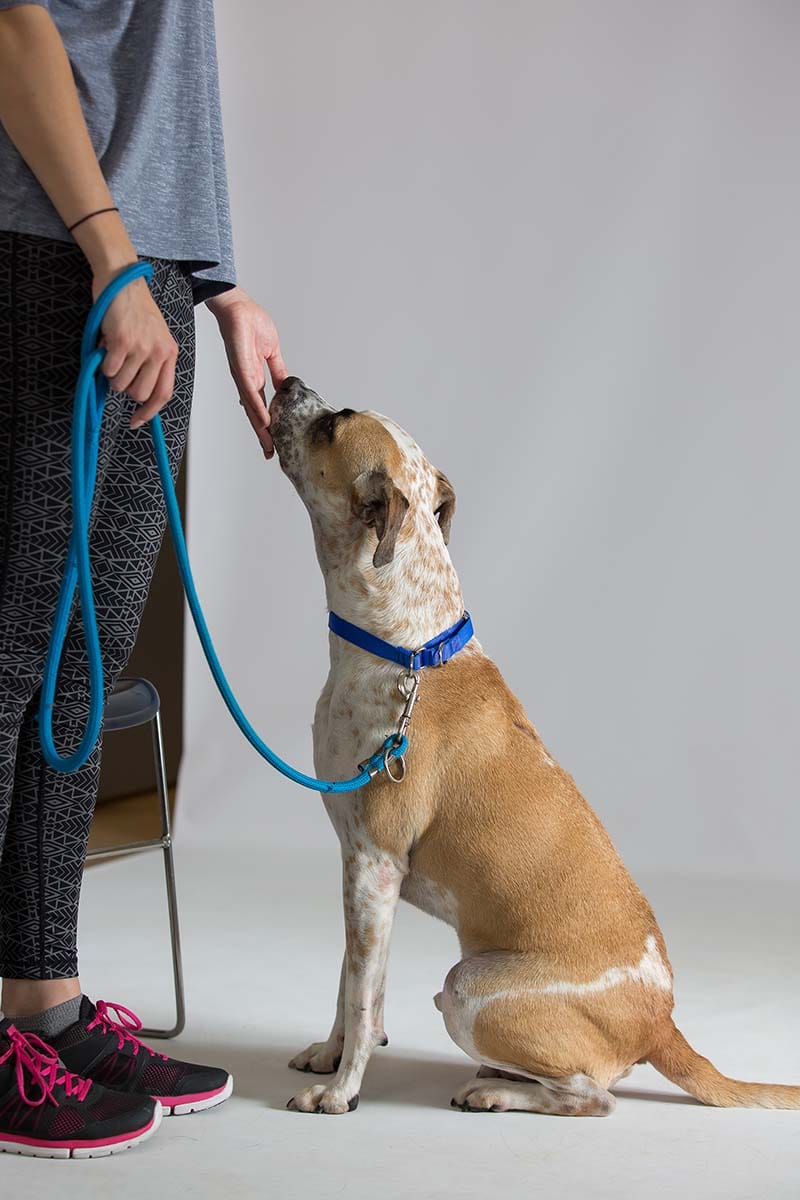
- The Reward Method: Hold a high-value treat near your dog’s nose. Start walking. As long as the leash is slack, reward your dog with the treat and praise. If the dog pulls, stop walking immediately. Don’t move forward until the leash slackens. This teaches them that pulling stops progress, while a loose leash keeps the walk going.
- Positive Interruption: If your dog lunges forward, make a gentle “uh-oh” sound or a quick turn in the opposite direction. When they’re back beside you with a loose leash, praise and reward. This teaches them that pulling leads away from their desired direction.
4. Gradually Introduce Distractions
Once your dog is doing well in a quiet area, slowly introduce more distractions. This could mean moving to the driveway, then the sidewalk, then a quiet park. Increase the difficulty gradually. If your dog starts pulling again, simply return to a less distracting environment or revert to the stopping technique until they regain focus.
5. Practice Makes Perfect (and Consistent!)
Regular, short training sessions are more effective than infrequent long ones. Aim for 5-10 minutes several times a day. Every walk is a training opportunity. Remember, training a dog to stop pulling requires patience and repetition.
Addressing Specific Challenges
Even with the best training plan, you might encounter specific issues. Here’s how to tackle them.
What If My Dog Still Pulls Despite Training?
If you’ve been consistent and your dog still pulls, it might be time to re-evaluate your approach or equipment. Are the rewards valuable enough? Is the environment too distracting? Could a front-clip harness or head halter provide the necessary management while you continue training? Consider seeking advice from a professional dog trainer.
My Dog Pulls Towards Other Dogs or People
This is a common scenario. When you see another dog or person approaching, prepare to reward your dog for staying by your side with a loose leash before they start pulling. If they pull, stop immediately or turn around. You can also practice desensitization by having a friend walk their dog at a distance, rewarding your dog for calm behavior.
How to Train a Dog to Stop Pulling When They Are Already Strong Pullers?
For strong pullers, management tools like front-clip harnesses or head halters are essential from the start. Combine these with consistent training, rewarding the desired loose-leash behavior. Teach them that a loose leash means forward movement and good things, while a tight leash means stopping. This is crucial for how to train my dog to stop pulling effectively.
The Benefits of a Well-Trained Leash Walker
Beyond the obvious joy of a relaxed walk, proper leash training offers numerous benefits for both you and your dog.
- Enhanced Safety: A dog that walks calmly on a leash is less likely to dart into traffic, get tangled, or cause accidents.
- Stronger Bond: Training sessions are a fantastic way to build trust and communication between you and your dog. The shared experience strengthens your relationship.
- More Enjoyable Outings: Walks become a pleasure rather than a chore. You can relax, socialize, and explore together without the constant strain.
- Improved Socialization: A well-behaved dog is more welcome in public spaces and can have positive interactions with other dogs and people.
Frequently Asked Questions About Dog Leash Training
Q1: How long does it take to train a dog to stop pulling on a leash?
A1: The timeline varies greatly depending on the dog’s age, breed, temperament, and the owner’s consistency. Some dogs pick it up in a few weeks, while for others, it can take several months of dedicated training.
Q2: Should I use a no-pull harness or a regular collar?
A2: For dogs that pull significantly, a no-pull harness (like a front-clip harness) or a head halter is often more effective for management during training than a standard collar. However, the ultimate goal is often to walk with just a flat collar or a regular harness using loose-leash walking techniques.
Q3: My dog pulls on the leash and chokes himself. What should I do?
A3: This is a critical issue. Immediately switch to a front-clip harness or head halter to prevent choking and injury. Focus intensely on training him to walk on a loose leash using positive reinforcement.
Q4: Can I train my puppy not to pull on the leash?
A4: Absolutely! Starting leash training early with puppies is ideal. Introduce the leash and collar gently and use positive reinforcement to teach them good walking manners from the beginning.
Q5: What are the best treats for leash training?
A5: Use high-value treats that your dog absolutely loves – small pieces of cooked chicken, cheese, or specialized training treats work wonders. The reward needs to be exciting enough to make them want to focus on you.
Conclusion: Enjoying the Journey Together
Teaching your dog to walk nicely on a leash is a journey, not a destination. It requires patience, consistency, and a positive attitude. By understanding the reasons behind pulling, choosing the right tools, and employing effective training techniques, you can transform your walks from stressful tug-of-wars into enjoyable bonding experiences. Remember to celebrate small victories, stay consistent, and most importantly, enjoy the company of your amazing canine companion as you explore the world together. With dedicated dog leash training, every walk can be a story worth telling.
