
Potty training your dog is a crucial step in building a harmonious life together. While traditional methods like frequent outdoor trips and praise are effective, have you considered the magic of a dog potty training bell? This innovative tool can transform the process, making it more intuitive for your dog and less stressful for you. Imagine your furry friend signaling their needs clearly, rather than having an accident inside. This guide will walk you through everything you need to know about using dog door bells for potty training, from choosing the right bell to mastering the training technique. Let’s embark on this journey to a cleaner, happier home with your canine companion.
Why Use a Bell for Potty Training Your Dog?
Traditional potty training relies heavily on observation and timing. You need to be vigilant, recognizing subtle cues like sniffing or circling, and rush your dog outside. This can be challenging, especially for busy owners or with puppies who have less bladder control. A bell offers a clear, consistent communication method. Your dog learns to associate ringing the bell with going outside to relieve themselves. This proactive approach reduces accidents and fosters independence in your dog. Furthermore, using bells for dog training can strengthen your bond, as it’s a cooperative effort rather than a reactive one.
Choosing the Right Dog Potty Training Bell
The market offers various types of dog potty training bells, each with its own set of advantages. Understanding these options will help you select the best fit for your dog and your home.
Types of Bells
- Hanging Doorbell Systems: These are the most common. They consist of a string of bells that hang from your doorknob. Your dog is trained to nudge or paw the bells, creating a jingle that signals they need to go out. They are generally easy to install and use.
- Push-Button Doorbells: These are electronic devices, often battery-operated, that mount near the door. When your dog is trained to push a button, it emits a sound. Some advanced models even have adjustable volume or different chime options.
- Standalone Bells: Some owners opt for a simple, small bell placed on the floor near the door. This might be a good starting point for very small dogs or puppies who may struggle with reaching a doorknob.
When selecting a dog potty train bell, consider your dog’s size and temperament. A larger dog might require a more robust bell that can withstand repeated pawing, while a sensitive dog might respond better to a softer chime.
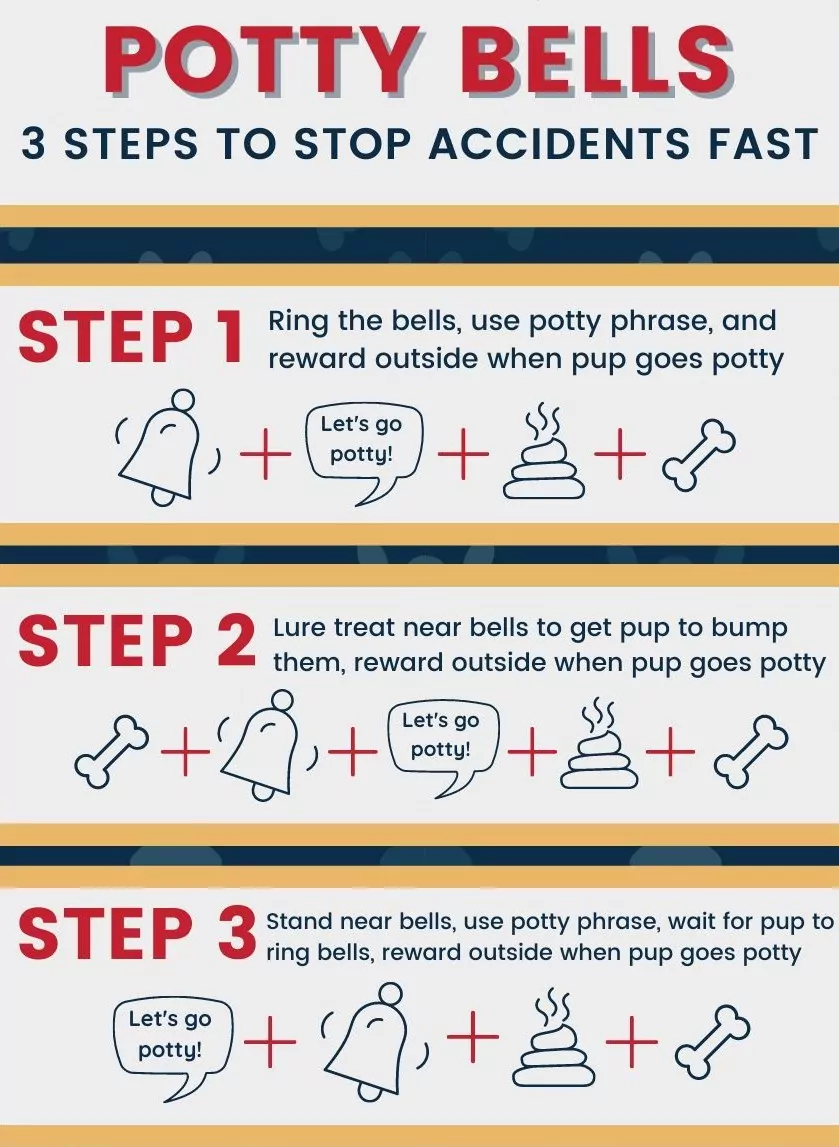
How to Potty Train Your Dog Using a Bell: A Step-by-Step Guide
Potty training with a bell is a process that requires patience, consistency, and positive reinforcement. Here’s a breakdown of how to effectively train your dog:
Step 1: Introduce the Bell
Start by hanging the bells on your doorknob, ensuring they are within your dog’s reach. For the first few days, simply let your dog get used to the presence of the bells. You can jingle them yourself occasionally to draw your dog’s attention to the sound.
Step 2: Associate the Bell with Outdoor Time
Every time you take your dog outside to potty, gently take their paw and jingle the bells. Say a cue word like “Outside” or “Potty.” After they do their business, offer enthusiastic praise and a small treat. This creates a positive association between the bell sound, going outside, and a reward.
Step 3: Encourage Your Dog to Ring the Bell
Once your dog seems accustomed to the bells, start encouraging them to interact with them. You can do this by holding a treat near the bells and rewarding them when they sniff or touch them. Gradually, you can progress to rewarding them only when they actively jingle the bells. Some owners find success by gently guiding their dog’s paw to tap the bells.
Step 4: Respond Immediately to the Bell
This is perhaps the most critical step. Whenever your dog rings the bell, you must drop everything and take them outside immediately. Even if you’re in the middle of a meal or a conversation, prioritize the bell. This reinforces the association: “When I ring the bell, I get to go outside and potty.” If you ignore the bell or delay, your dog will become confused and may resort to accidents.
Step 5: Practice and Patience
Potty training takes time. Some dogs pick it up within a few weeks, while others may take a few months. Be consistent with your routine, praise, and rewards. If accidents happen, don’t punish your dog. Simply clean up the mess and recommit to the training process. Remember, training bells for dogs are a tool to aid communication, not a magic solution.
Troubleshooting Common Issues with Bell Training
Even with the best intentions, you might encounter a few bumps in the road. Here are some common issues and how to address them:
My dog rings the bell constantly but doesn’t potty.
This can happen if your dog learns that ringing the bell gets them attention or a trip outside, regardless of their actual need.
- Solution: Be discerning. If you take your dog out and they don’t potty after a reasonable amount of time, calmly bring them back inside. Continue to watch for other signs of needing to go. You can also try taking them out only when you genuinely believe they need to go, rewarding them heavily when they do potty outside.
My dog has accidents even though they ring the bell.
This could mean they are ringing the bell out of habit or anxiety, or perhaps they are still not fully grasping the concept.
- Solution: Revisit Step 2 and 3. Reinforce the direct link between ringing the bell and successful pottying outside. Ensure you are responding immediately every single time the bell rings. If accidents persist, consult with a professional trainer or a veterinarian to rule out any underlying medical issues.
My dog is scared of the bell sound.
Some dogs are sensitive to sudden noises.
- Solution: Start with a quieter bell or place it further away from where your dog sleeps or eats. Gradually introduce the sound by jingling it softly, rewarding calm behavior, and slowly increasing the volume or proximity. You might also try a bell for potty training dogs with a less jarring tone.
Integrating Bell Training with Other Potty Training Methods
The dog door bell for potty training is a fantastic aid, but it works best when integrated with other sound potty training principles.
- Consistent Schedule: Maintain a regular feeding and potty schedule. Dogs thrive on routine, and this helps regulate their bodily functions.
- Supervision: Keep a close eye on your dog, especially in the initial stages. Watch for “pre-potty” signs like sniffing the ground, circling, or whining.
- Positive Reinforcement: Always reward successful potty breaks with praise, treats, or a favorite toy. This makes the desired behavior more likely to be repeated.
- Crate Training: If you use a crate, ensure it’s the right size and used appropriately. Dogs are naturally reluctant to soil their sleeping area, which can aid in house training.
By combining the clear communication of a bell with a structured approach, you significantly increase your chances of successful potty training.
The Long-Term Benefits of Bell Training
Beyond achieving a house-free home, bell training offers lasting advantages for both you and your dog.
- Improved Communication: It establishes a clear line of communication, reducing misunderstandings and frustration. Your dog learns to express their needs politely.
- Increased Independence: Your dog becomes more self-sufficient in signaling their needs, which can be empowering for them.
- Reduced Stress: Knowing your dog can alert you to their needs reduces your anxiety about accidents and allows you to be more relaxed in your home.
- Stronger Bond: The training process itself, built on positive reinforcement and teamwork, strengthens the bond between you and your dog.
Using a bell for potty training is an investment in a more peaceful and connected life with your dog. It’s a testament to the intelligence and trainability of our canine companions, and with a little guidance, they can master this essential skill.
Frequently Asked Questions (FAQ) About Dog Potty Training Bells
Q1: How long does it take to potty train a dog with a bell?
A: The timeframe varies greatly depending on the dog’s age, breed, individual learning pace, and the consistency of the owner. Some dogs may grasp the concept within a few weeks, while others might take a couple of months. Patience and consistency are key.
Q2: What if my dog just rings the bell to play or get attention?
A: This is a common issue. If your dog rings the bell but doesn’t potty, calmly take them back inside without fuss. Only reward them when they do potty outside. You might need to go back to basics and reinforce the association more strongly.
Q3: Can I use a bell for an older dog who wasn’t potty trained as a puppy?
A: Absolutely! While it might take a bit longer than with a puppy, older dogs are certainly capable of learning. The principles of positive reinforcement and consistency apply regardless of age.
Q4: What kind of treats should I use for potty training?
A: Use small, high-value treats that your dog absolutely loves. These should be different from their everyday kibble to make the reward extra special. Small pieces of cooked chicken, cheese, or commercially available training treats work well.
Q5: Should I leave the bells on the doorknob all the time?
A: For the initial training phase, yes. Once your dog is reliably using the bells, you can decide if you want to keep them on permanently or only during specific times. Some owners remove them once the dog is fully trained, while others find it useful to keep them as a backup communication tool.
Q6: What if my dog chews on the bells?
A: If your dog is a chewer, you might need to opt for more durable bells or a different type of training device. Supervise your dog closely when they are near the bells and redirect chewing behavior to appropriate toys.
Conclusion: Ringing in a New Era of Potty Training
The journey of potty training can be a rewarding one, and incorporating a dog potty training bell can make it significantly smoother and more effective. By understanding the types of bells available, committing to a consistent training method, and remaining patient through any challenges, you can establish a clear and reliable communication system with your dog. This not only leads to a cleaner home but also fosters a deeper understanding and connection between you and your beloved canine companion. Embrace the simplicity and effectiveness of dog potty train bell systems, and enjoy the peace of mind that comes with a well-communicated potty routine.
