
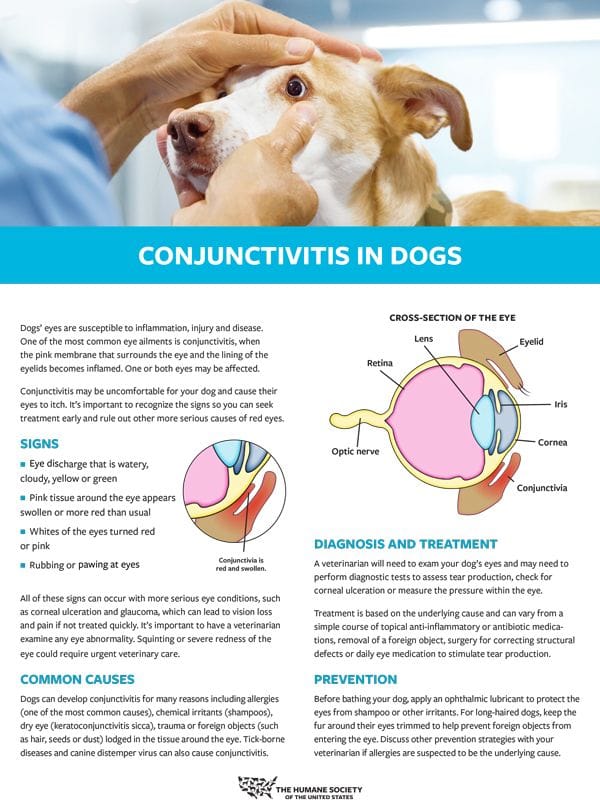
Red eyes and eye discharge in dogs can be a distressing sight for any pet owner. These symptoms are often indicative of conjunctivitis, an inflammation or infection of the conjunctiva, the pink membrane covering the white part of the eyeball and the inside of the eyelids. While common, conjunctivitis can stem from various causes, ranging from minor irritations to more serious underlying health issues, and generally requires veterinary attention for a full recovery. Early recognition and prompt treatment are key to preventing potential complications and ensuring your dog’s vision is not compromised.
Conjunctivitis refers to the inflammation of the conjunctiva, a tissue that not only protects the eye but also plays a role in tear production for lubrication and providing essential nutrients. When this tissue becomes inflamed due to infection, allergens, or injury, it leads to noticeable symptoms like discharge, redness, and squinting. While not typically an immediate emergency, if left untreated, conjunctivitis can escalate and potentially impact a dog’s eyesight. If your dog exhibits signs of significant discomfort, pain, difficulty seeing, or if symptoms persist or worsen, seeking immediate veterinary care is crucial.
Key Takeaways
- Conjunctivitis in dogs is a common condition with diverse causes, including infections, allergens, injuries, and underlying health problems.
- Key symptoms to watch for include red eyes, discharge, squinting, swelling, and light sensitivity.
- Treatment is tailored to the specific cause, and most cases resolve within 7–10 days with veterinary intervention.
- Chronic cases may require ongoing management to address recurring flare-ups.
Symptoms of Conjunctivitis in Dogs
Recognizing the signs of conjunctivitis is the first step toward getting your dog the help they need. Common symptoms include:
- Squinting: This is often a sign of discomfort or pain.
- Eye redness: The whites of the eyes may appear visibly red and inflamed.
- Watery or mucoid eye discharge: You might notice clear, watery discharge or thicker, mucus-like discharge.
- Pawing at the eye: Dogs may excessively paw or rub at the affected eye.
- Eye swelling: The area around the eye may appear swollen.
- Light sensitivity: Your dog might seem uncomfortable in bright light.
Causes of Conjunctivitis in Dogs
The inflammation associated with conjunctivitis can be triggered by a multitude of factors. Understanding these potential causes can help in managing and preventing future occurrences.
- Viral Infections: Certain viruses, such as canine distemper virus or canine herpesvirus, can lead to eye inflammation as part of their symptom complex. Maintaining up-to-date vaccinations is vital in preventing these infections.
- Foreign Object: Simple irritants like dirt, dust, or a piece of grass can get lodged in the eye, causing irritation and inflammation.
- Chemical or Toxin Exposure: Exposure to environmental irritants like smoke or certain chemicals can inflame the delicate eye tissues.
- Trauma: Any injury to the eye or the surrounding facial area can result in inflammation and swelling.
- Immune-Mediated Disease: Conditions like plasma-cell conjunctivitis and keratoconjunctivitis sicca (dry eye) are a result of the immune system mistakenly attacking the eye tissues.
While conjunctivitis can affect dogs of any age, breed, or sex, certain breeds, including the Cavalier King Charles Spaniel, Pugs, German Shepherds, and Border Collies, may have a genetic predisposition. Puppies, young adults, and senior dogs may also be more susceptible due to varying immune system strengths.
How Veterinarians Diagnose Conjunctivitis in Dogs
When you bring your dog to the veterinarian with suspected conjunctivitis, a thorough examination will be performed. This typically begins with a complete physical exam to assess your dog’s overall health. The veterinarian will then carefully examine the eyes visually and may use an ophthalmoscope to detect any internal abnormalities. Providing a detailed history, including when symptoms first appeared and the type of discharge observed, is invaluable for diagnosis.
To pinpoint the exact cause of the conjunctivitis, several diagnostic tests may be conducted:
- Schirmer Tear Test: This test measures tear production using a small paper strip placed under the eyelid. Insufficient tear production can contribute to eye irritation.
- Tonometry: This procedure measures intraocular pressure, helping to diagnose conditions like glaucoma.
- Fluorescein Stain: A special dye is applied to the eye, and under a blue light, any scratches or ulcers on the cornea become visible. These abrasions can be a source of inflammation.
- Conjunctival Swab: In severe or persistent cases, a sample from the conjunctiva may be collected for laboratory analysis to identify specific bacteria or viruses.
Treatment of Conjunctivitis in Dogs
The treatment approach for conjunctivitis is highly dependent on its underlying cause. Your veterinarian will recommend the most appropriate plan, which may include:
- Medicated Eye Drops or Ointments: Antibiotics, anti-inflammatories, or antiviral medications may be prescribed depending on whether an infection or inflammation is present.
- Flushing the Eye: Saline solution may be used to cleanse the eye, removing irritants or allergens.
- Surgery: In some instances, surgical intervention may be necessary to correct eyelid abnormalities or remove tumors that contribute to the condition.
It’s essential to follow your veterinarian’s instructions precisely regarding medication administration and follow-up appointments. For dogs experiencing significant discomfort or at risk of self-trauma, wearing an Elizabethan collar (cone) may be recommended during the recovery period. Regularly using a quality product like the best monthly flea and tick treatment for dogs can also help prevent certain underlying issues that might indirectly affect eye health.
Recovery and Management of Conjunctivitis in Dogs
With appropriate veterinary care, most cases of conjunctivitis in dogs resolve successfully, typically within seven to 10 days, although some may take a few weeks. For dogs with chronic underlying health conditions, recurrent flare-ups of conjunctivitis are possible and require ongoing management. Close adherence to your veterinarian’s treatment plan is vital for a smooth recovery.
Prevention of Conjunctivitis in Dogs
While not all cases of conjunctivitis are preventable, especially those linked to genetic or immune-mediated diseases, certain measures can reduce the risk. Avoiding exposure to known environmental allergens and harsh chemicals is beneficial. Regular wellness check-ups and maintaining a consistent vaccination schedule are crucial for protecting your dog against viral infections that can cause conjunctivitis. Managing any existing health conditions according to your veterinarian’s advice can also lower the likelihood of secondary eye infections. Exploring over the counter medicine for dogs should always be done in consultation with your vet.
Conjunctivitis in Dogs FAQs
How do I treat my dog’s conjunctivitis?
Treatment for conjunctivitis in dogs is determined by its underlying cause. Your veterinarian will conduct an examination to diagnose the issue and recommend the most effective course of action, which may include medications or other therapies.
Should I take my dog to the vet for conjunctivitis?
Yes, it is highly recommended to consult a veterinarian if you observe any concerning eye symptoms in your dog, such as redness, discharge, swelling, or squinting. Prompt veterinary attention can prevent complications.
How long does it take a dog to get over conjunctivitis?
Most dogs recover from conjunctivitis within seven to 10 days with proper treatment. However, some cases may require a few weeks for complete resolution. Dogs with chronic conditions might experience recurring flare-ups.
Can conjunctivitis be left untreated in dogs?
Leaving conjunctivitis untreated can lead to severe complications and potentially affect your dog’s vision. It is crucial to seek veterinary advice for diagnosis and treatment.
Will dog conjunctivitis dissipate if I use home remedies?
While some very mild cases might resolve on their own, relying solely on home remedies is not advisable. It’s best to consult a veterinarian for an accurate diagnosis and appropriate treatment to avoid potential worsening of the condition. Utilizing products like over the counter for dogs pain reliever without veterinary guidance can also be risky.
Will conjunctivitis go away by itself?
In certain mild instances, conjunctivitis symptoms might resolve spontaneously. However, to ensure proper healing and prevent complications, consulting a veterinarian is always the safest approach.
WRITTEN BY
Brittany Kleszynski, DVM
Veterinarian
