
Potty training a dog can be a rewarding experience, and the right tools can make all the difference. One such tool that has gained popularity among dog owners is the use of Dog Pellets For Potty Training. These specialized pellets offer a convenient and effective way to guide your furry friend towards the right spot, especially for puppies and dogs that may struggle with traditional methods. But what exactly are dog pellets for potty training, and how can you best utilize them to achieve success? This guide will delve into everything you need to know, from understanding the concept to implementing a successful training strategy.
Understanding Dog Pellets for Potty Training
Dog pellets, in the context of potty training, are typically small, absorbent materials designed to attract dogs to a specific area for elimination. They are often made from compressed wood or paper pulp, engineered to hold moisture and emit an odor that naturally draws dogs to mark their territory. The idea is to create a designated “bathroom” spot for your dog using these pellets, whether it’s on a training pad, in a specific corner of your yard, or within a designated potty area.
This method can be particularly beneficial for:
- Puppies: Young dogs are still learning the ropes of house training, and the distinct scent of pellets can help them associate the area with elimination.
- Apartment Dwellers: For those living in apartments without easy access to an outdoor potty spot, pellets offer a contained solution.
- Senior Dogs or Dogs with Mobility Issues: Dogs that have trouble getting outside quickly or consistently may benefit from a readily available indoor or designated outdoor potty area.
- Dogs Transitioning from Other Environments: Rescued dogs or those transitioning from shelters might find the familiar scent and texture of pellets helpful.
The core principle behind using dog pellets for potty training is to leverage a dog’s natural instincts. Dogs are attracted to the scent of their own urine and feces, and pellets are designed to mimic this attractant. By placing them in a designated spot, you are essentially creating a scent beacon that guides your dog to the correct place to do their business. This can significantly speed up the learning process and reduce accidents around the house.
How to Use Dog Pellets for Potty Training
Implementing dog pellets into your potty training routine requires consistency and a clear strategy. Here’s a step-by-step approach:
1. Choosing the Right Pellets
There are various types of dog potty training pellets available on the market. Some common options include:
- Wood Pellets: Made from compressed sawdust, these are natural, absorbent, and often have a pleasant woody scent.
- Paper Pellets: Crafted from recycled paper, these are highly absorbent and often odorless, making them a good choice for sensitive dogs or owners.
- Scented Pellets: Some pellets are infused with attractant scents to further entice your dog. However, use these with caution, as some dogs might be put off by artificial fragrances.
Consider your dog’s preferences and any potential sensitivities when making your choice.
2. Setting Up the Potty Area
Decide where you want your dog to eliminate. This could be:
- A designated potty pad: Place the pellets on top of or within a specialized potty pad holder.
- A specific corner of a room: If you’re using them indoors, choose a low-traffic area.
- An outdoor spot: In your backyard or on a balcony, create a contained area for the pellets.
Ensure the area is easily accessible for your dog at all times.
3. Introducing Your Dog to the Pellets
- Scent Association: Sprinkle a small amount of the pellets in the designated potty area. If you have a urine sample from your dog (e.g., from an accident you clean up), you can lightly dampen a small section of the pellets with it to enhance the scent attraction.
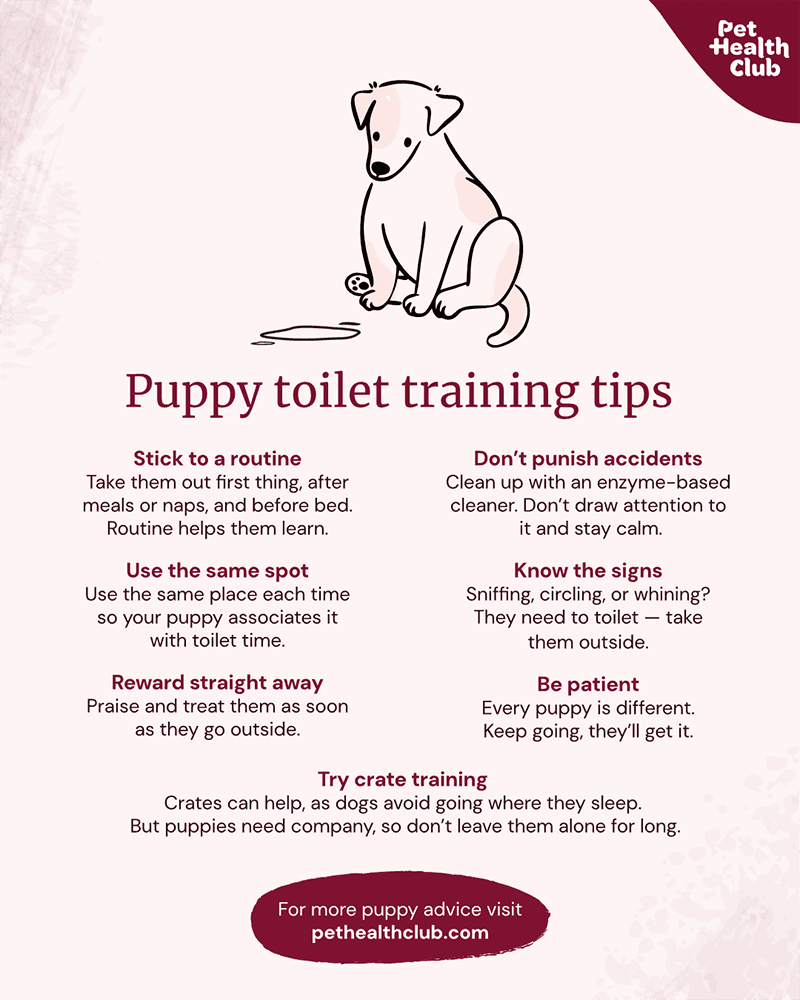
- Positive Reinforcement: When you see your dog showing signs of needing to go (sniffing, circling, squatting), immediately take them to the pellet area. If they eliminate there, praise them enthusiastically and offer a small treat. This positive reinforcement is crucial for them to associate the pellets with a reward.
- Consistency is Key: Take your dog to the pellet area frequently, especially after waking up, after meals, and before bedtime. Every time they successfully use the pellets, reward them.
4. Gradual Transition (if applicable)
If you are transitioning your dog from another method or location, do so gradually.
- From indoors to outdoors: If you start with indoor pellets, slowly move the potty area closer to the door you want them to use for outdoor potty breaks. Eventually, place the pellets in the outdoor spot.
- From accidents to the pellet area: If your dog has an accident indoors, clean it up thoroughly with an enzymatic cleaner to eliminate the scent. Then, take them to the pellet area and encourage them to use it.
5. Cleaning and Maintenance
- Regular Cleaning: Remove soiled pellets promptly. If using them on a pad, replace the pad as needed. If in a contained outdoor area, clean it regularly to maintain hygiene and scent appeal.
- Odor Control: Use enzymatic cleaners for any accidents outside the designated area to completely neutralize odors. This prevents your dog from returning to the same spot for future accidents.
Tips for Success with Dog Pellets
Beyond the basic steps, several tips can enhance your success rate:
- Patience and Consistency: Potty training takes time. Don’t get discouraged by occasional setbacks. Maintain a consistent routine and positive attitude.
- Supervision: Keep a close eye on your dog, especially during the initial stages. This allows you to intervene quickly if they start to show signs of needing to go and redirect them to the pellet area.
- Avoid Punishment: Never punish your dog for accidents. Punishment can create fear and anxiety, making training more difficult. Instead, focus on rewarding correct behavior.
- Enzymatic Cleaners: These are essential for cleaning up accidents. They break down the odor-causing molecules, preventing your dog from being drawn back to the spot.
- Consider Your Dog’s Breed and Age: Some breeds may be easier to potty train than others. Puppies have smaller bladders and require more frequent trips, while older dogs might have established habits that need to be unlearned.
- Listen to Your Dog: Pay attention to your dog’s body language and cues. They will often signal when they need to go.
Addressing Common Challenges
While dog pellets can be highly effective, some challenges might arise:
- Dog Ignores Pellets: If your dog consistently avoids the pellet area, try a different brand or type of pellet. Ensure the area is clean and free from distracting odors. Re-evaluate your positive reinforcement strategy – are the rewards motivating enough?
- Dog Eats Pellets: Some dogs might try to eat the pellets. If this is a concern, supervise your dog closely during potty breaks and consider alternatives like scent sprays on training pads or a dedicated outdoor potty area. If ingestion is excessive, consult your veterinarian.
- Accidents Still Occur: This is normal. Re-examine your routine. Are you taking your dog out frequently enough? Are you consistently rewarding them for correct eliminations? Sometimes, a temporary return to more frequent potty breaks and closer supervision is needed.
The Long-Term Goal
The ultimate goal of using dog pellets for potty training is to establish a reliable elimination habit. Once your dog consistently uses the pellet area, you can begin to gradually phase them out. This might involve reducing the number of pellets used, gradually moving the location of the pellets, or introducing a transition to outdoor potty breaks if that is your long-term goal. For some owners, maintaining a designated pellet area can be a permanent solution, especially for dogs with specific needs.
Conclusion: A Helpful Tool for Potty Training Success
Dog pellets for potty training can be a valuable asset in your dog’s house-training journey. By understanding how they work and implementing a consistent, positive reinforcement-based strategy, you can effectively guide your dog towards successful elimination habits. Remember that patience, consistency, and a deep understanding of your dog’s needs are paramount. With the right approach, dog pellets can pave the way for a cleaner home and a happier, well-trained canine companion.
