
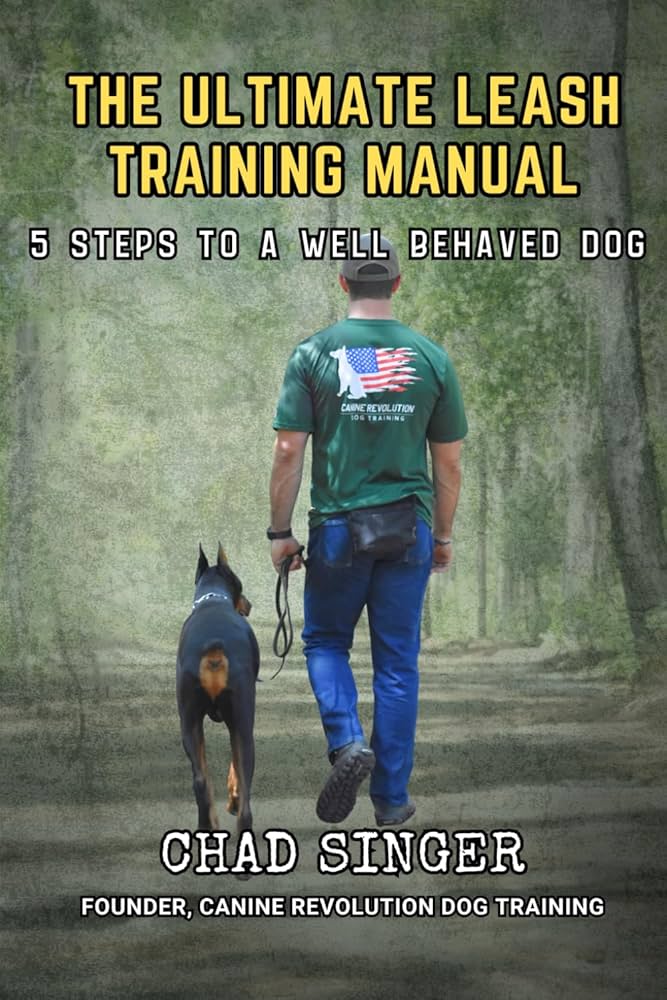
Embarking on the journey of dog off-leash training can be incredibly rewarding, opening up a world of freedom and deeper connection with your canine companion. Imagine your dog confidently exploring beside you on a hike, or playfully engaging with you in a park without the restriction of a leash. This level of trust and communication, however, is built on a foundation of solid training, patience, and understanding. This comprehensive guide will walk you through the essential steps and considerations to help your dog master off-leash skills safely and effectively. We’ll delve into how to achieve this remarkable bond, ensuring your dog remains responsive and secure even when not physically tethered.
Understanding the Core Principles of Off-Leash Reliability
Before diving into specific commands, it’s crucial to grasp the underlying principles that make off-leash training successful. It’s not just about teaching a dog to come when called; it’s about building a robust communication system based on trust, positive reinforcement, and a clear understanding of boundaries. The goal is for your dog to choose to listen and stay with you, not because they are forced, but because they understand the benefits and enjoy the interaction.
The Importance of a Strong Foundation
A reliable off-leash dog is one with a solid foundation in basic obedience. Commands like “sit,” “stay,” “come,” and “down” are the building blocks. If your dog struggles with these on-leash, they will certainly struggle off-leash. Ensuring consistent practice in a controlled environment is paramount before even considering a leash-free scenario. This foundational work builds your dog’s focus and impulse control, which are critical when distractions abound.
Positive Reinforcement: The Key to Motivation
The most effective and humane approach to dog training, especially for off-leash work, is positive reinforcement. This involves rewarding desired behaviors with something your dog values, such as high-value treats, praise, or a favorite toy. This method fosters a positive association with training and strengthens the bond between you and your dog. Punitive methods can create fear and anxiety, making a dog less likely to respond reliably, especially in exciting off-leash situations.
Building Trust and Engagement
Off-leash training is as much about building trust as it is about teaching commands. Your dog needs to trust that you will provide clear guidance, fair expectations, and rewarding outcomes. Engaging your dog with fun training sessions and interactive play will make them more eager to please and stay connected to you. When your dog sees that listening to you leads to good things, they are more likely to remain engaged and responsive.
Essential Commands for Off-Leash Success
While a variety of commands can be useful, a few are absolutely critical for safe and reliable off-leash work. These form the backbone of your communication system.
The Reliable Recall: “Come!”
This is arguably the most important command for off-leash training. A strong recall ensures your dog returns to you immediately when called, regardless of distractions.
How to Train a Reliable Recall
- Start Simple: Begin in a quiet, enclosed area. Use a long training lead (15-30 feet) to provide a sense of freedom while maintaining control.
- Positive Association: When your dog is a few feet away, cheerfully call their name followed by “Come!” As they move towards you, praise them enthusiastically.
- Reward Generously: When they reach you, reward them with a high-value treat and effusive praise. Make coming to you the best possible outcome.
- Add Distractions Gradually: Once your dog reliably responds in a quiet area, slowly introduce mild distractions. This could be another person in the room, or a quiet outdoor space.
- The “Come” Game: Play recall games with family members. One person holds the dog while the other calls them from a short distance, rewarding them upon arrival. Then switch roles. This makes recall a fun, engaging activity.
- Never Punish a Recall: If your dog eventually comes to you after a delay, never scold them. They need to associate coming to you with positive experiences. If they don’t come, calmly go to them, don’t make a fuss, and try again later in an easier setting.
- Practice Off-Leash (Safely): Only practice off-leash in a securely fenced area. Gradually increase the distance and duration.
The “Stay” Command: Building Patience
A solid “stay” command is vital for ensuring your dog remains in place when you need them to, preventing them from running off impulsively.
Teaching a Solid “Stay”
- Basic Sit-Stay: Have your dog sit. Give the “Stay” command with a clear hand signal (e.g., open palm facing them).
- Short Durations: Start with very short durations (a few seconds) and minimal distance. Reward them for staying.
- Gradual Increase: Slowly increase the duration and distance. Release them with a clear release word like “Okay!” or “Free!” and reward.
- Introduce Distractions: Once they have a strong stay, introduce minor distractions (e.g., dropping a treat, moving slightly).
- Proofing: Practice in different locations and with increasing levels of distraction. If they break the stay, calmly guide them back to the original spot and try again with less distraction.
“Leave It”: Preventing Unwanted Behaviors
The “Leave It” command teaches your dog to ignore tempting objects or situations, which is crucial for safety when off-leash. This could be anything from discarded food to a fascinating squirrel.
Implementing “Leave It”
- Treat in Hand: Place a low-value treat in your closed fist. Let your dog sniff and paw at it. When they pull away, even for a second, reward them with a different, higher-value treat from your other hand.
- Treat on Floor: Progress to placing a treat on the floor, covering it with your hand when your dog approaches. Reward them for looking away from the covered treat.
- Uncovered Treat: Eventually, uncover the treat and say “Leave It.” If they ignore it, reward them. If they go for it, cover it again.
- Generalize: Practice with various objects and in different environments. This command can prevent your dog from ingesting something harmful or chasing after a distraction.
Gradual Introduction to Off-Leash Freedom
The transition from on-leash to off-leash requires careful planning and execution. Rushing this process is a common mistake that can lead to dangerous situations.
Secure, Controlled Environments First
Always begin off-leash practice in a safe, enclosed area. This could be your backyard if it’s securely fenced, or a designated dog park during a quiet hour. This allows your dog to experience freedom without the risk of running away or encountering unexpected dangers.
The Long Lead Technique
A long training lead is an invaluable tool during the transition phase. It gives your dog the feeling of freedom while you still maintain a safety net. This allows you to practice commands like recall and stay with a sense of distance, building your dog’s confidence and yours.
Reading Your Dog’s Body Language
Pay close attention to your dog’s body language. Are they tense, distracted, or overly aroused? If they seem overwhelmed or disengaged, it’s a sign to either reduce distractions, shorten the session, or end it positively. A dog that is too aroused will not be receptive to training.
Gradual Exposure to Distractions
As your dog becomes more reliable in controlled environments, gradually introduce them to more stimulating situations. This could involve training sessions in quieter public areas where other dogs or people are present at a distance. The key is to manage the distance and intensity of distractions so your dog can succeed.
Safety Considerations for Off-Leash Dogs
Safety is paramount. Even the best-trained dog can be unpredictable in certain situations. Implementing safety measures is non-negotiable.
Secure Fencing and Boundaries
If your training area is a backyard, ensure the fence is secure and tall enough to prevent escapes. Regularly check for any gaps or weaknesses. Understanding and respecting property boundaries is also important.
Understanding Local Laws and Regulations
Be aware of local leash laws. Many public parks and trails have specific regulations regarding where dogs can be off-leash. Always adhere to these rules to avoid fines and ensure responsible pet ownership.
The Importance of Identification
Ensure your dog is always wearing an ID tag with your contact information. A microchip is also a crucial backup. In the unfortunate event that your dog does get lost, these measures significantly increase the chances of a safe reunion.
Environmental Awareness
Be mindful of potential hazards in your training environment. This includes traffic, wild animals, poisonous plants, and water bodies. Always supervise your dog closely and be prepared to intervene if necessary. For example, knowing how to train a dog to stay away from roads is critical.
Advanced Techniques and Troubleshooting
As you progress, you might encounter specific challenges. Here are some advanced tips and troubleshooting strategies.
Off-Leash Social Dog Training
If your goal involves off-leash socialization with other dogs, ensure it’s done in a controlled and positive manner. Introduce your dog to well-behaved, calm dogs first. Supervise interactions closely and be ready to separate them if tensions rise. This is where understanding dog body language becomes especially vital.
Handling Distractions and Lapses in Training
It’s inevitable that your dog will sometimes ignore a command or get distracted. Instead of becoming frustrated, view these as learning opportunities.
- Increase Reward Value: Are your rewards high enough? Try using even more desirable treats.
- Reduce Distractions: Go back to a less distracting environment or increase the distance from the distraction.
- Reinforce the Basics: If your dog is struggling, it might be time to revisit foundational commands on-leash.
- Management Tools: For situations where reliability is critical and distractions are high, consider tools like a dog training collar with GPS for added security and communication, especially in vast, open areas where visibility might be an issue. However, these should supplement, not replace, consistent positive training.
Building a Stronger Bond Through Consistency
Consistency is the golden rule in dog training. Ensure all family members are on the same page regarding commands, signals, and reward systems. Sporadic training or conflicting commands will confuse your dog and undermine progress. Regular, short, and fun training sessions are far more effective than infrequent, long, and tedious ones.
The Lifelong Journey of Off-Leash Reliability
Achieving reliable off-leash behavior is not a destination but an ongoing journey. It requires continuous practice, reinforcement, and a deep understanding of your dog’s needs and capabilities. By prioritizing positive reinforcement, clear communication, and safety, you can unlock the incredible freedom and joy that comes with a well-trained off-leash companion. The enhanced bond and shared adventures are well worth the dedication. Remember, the ultimate goal is a happy, safe, and responsive dog who thrives by your side, whether on or off the leash.
