
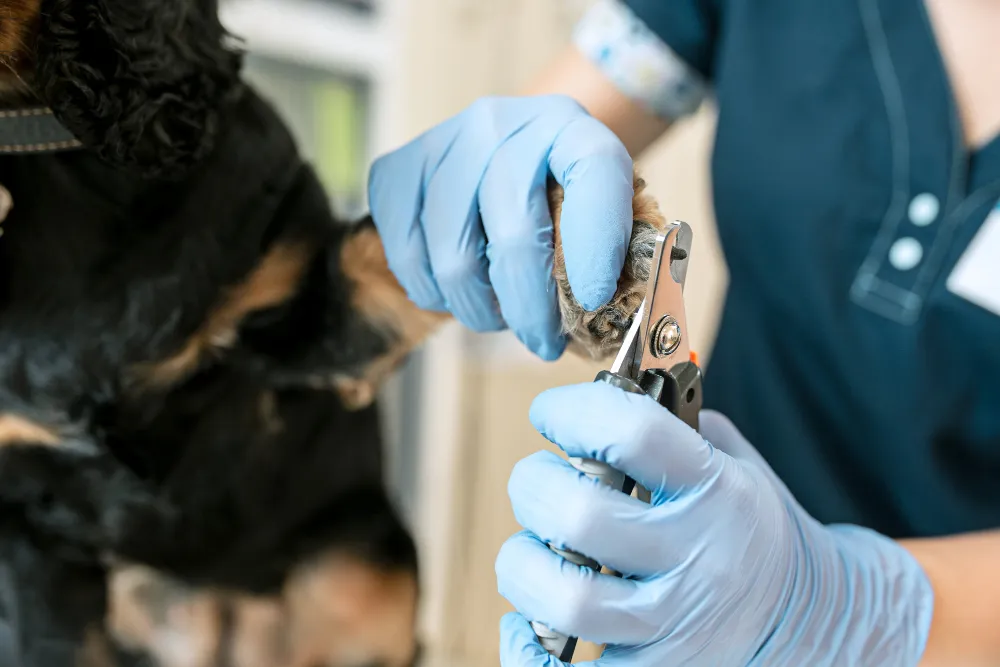
Dogs’ paws are essential for their mobility and interaction with the world, yet nail health is often overlooked by pet parents. From minor chips to serious conditions like cancer, nail problems can significantly impact a dog’s well-being. Proactive nail care, including regular trims and inspections, is crucial for detecting and preventing issues.
Nail injuries are common as dogs’ paws constantly contact various surfaces. Overgrown nails can snag on carpets, upholstery, or thick grass, leading to painful breaks. A broken nail is a serious concern, not only for the immediate pain but also because the damaged area can become a breeding ground for bacteria and fungi, resulting in secondary infections. Prompt action is vital to prevent infection and promote healing. Disinfecting the broken nail and consulting a veterinarian are essential first steps. Maintaining properly trimmed nails and ensuring a protein-rich diet can help prevent future nail injuries.
The Anatomy of a Dog’s Nail
Before delving into nail care, understanding paw anatomy is key. Most dogs have four nails on each hind foot and five on each front foot, with the fifth being the dewclaw, analogous to a thumb. Each nail comprises three main parts:
- Keratinized Outer Shell: This is the hard, protective outer layer.
- The Quick: This is the sensitive, living inner core containing blood vessels and nerve endings.
- The Nail Fold: This is the protective skin surrounding the base of the nail.
Dewclaws are particularly prone to injury because they don’t naturally wear down through contact with the ground. This makes them susceptible to snagging and exposing the quick. Regular nail trimming is the most effective way to prevent dewclaw injuries. While proper trimming can prevent many injuries, it’s not a foolproof solution. Introducing nail care routines through counter-conditioning exercises at a young age can make grooming sessions easier for both the pet and the owner.
Common Causes of Broken Dog Nails
Nail length and overall nail health are primary factors contributing to broken nails. When nails become excessively long, they are more vulnerable to breaking under pressure during activities like running or jumping, or when they get caught on objects. Additionally, older dogs or those with diets lacking sufficient protein may develop brittle nails that fracture easily. Both situations can lead to nail infections if not addressed properly.
What to Do If Your Dog’s Nail is Bleeding
A broken nail can cause bleeding if the quick is impacted. The immediate priority is to stop the bleeding. Apply pressure to the nail bed using a sterile gauze pad and colloidal silver, a potent agent against various microorganisms. Keeping the nail bed clean and free from contaminants is crucial before seeking veterinary advice. Contact your veterinarian for proper diagnosis and treatment.
Dog Breeds Prone to Nail Disorders
Research indicates that certain breeds, including Chihuahuas, Dobermans, Gordon Setters, and Shar-Peis, have a higher predisposition to nail disorders. Cocker Spaniels, Dachshunds, German Shepherds, and Shih Tzus are also more susceptible to yeast infections affecting their nails.
Identifying an Infected Dog Nail
Symptoms of a nail infection can be observed by examining your dog’s paws closely. Signs include swelling of the nail bed, pus discharge, and discoloration of the affected claw (e.g., a white nail turning black). The nail may also become soft and brittle. These visual cues often indicate an underlying problem with the nail bed. As the infection progresses, your dog may exhibit limping, fur loss around the affected area, and persistent chewing at the nail bed to alleviate discomfort. They might also favor the injured paw, avoiding putting weight on it, and cry out when touched.
Treatment Options for Infected Dog Nails
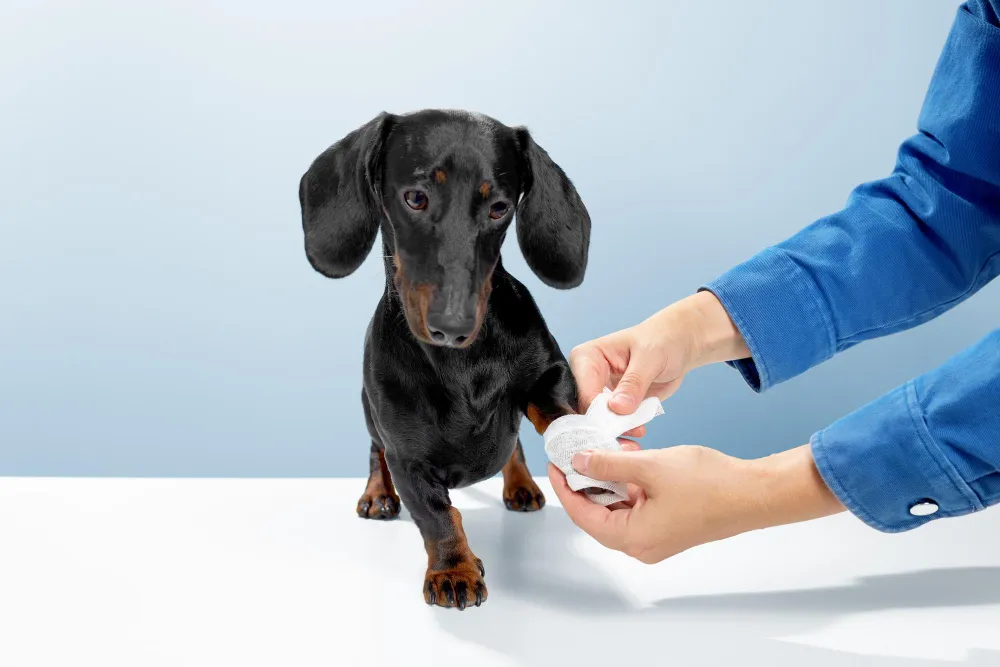
Seeking professional veterinary care is the safest and most effective approach for treating nail trauma. While initial steps like cleaning and bandaging can be helpful, home care alone is often insufficient and risks the infection spreading.
Your veterinarian will first thoroughly examine the wound, clean it, and determine if sutures are necessary. They will then assess for infection and identify the causative agent, which could be bacteria, parasites, or fungi:
- Bacterial Paronychia: This occurs when a damaged nail is exposed to contaminated surfaces, leading to inflammation, characterized by red, swollen nails. Excessive licking or chewing can also introduce bacteria.
- Onychomycosis: This is a fungal infection of the nail bed, often caused by ringworm spreading from the dog’s skin. Dogs in warm, humid climates are at a higher risk.
Diagnostic tests may include a complete blood count, biochemistry panel, or nail bed scrapings to identify bacterial or fungal culprits. In severe cases, X-rays or biopsies might be conducted to assess the extent of damage.
Treatment typically involves topical applications (like chlorhexidine or Epsom salts) or oral antibiotics administered for several weeks. It’s important to note that antibiotics affect the entire body, potentially leading to gut imbalance and a weakened immune system. Supporting your dog’s recovery with a balanced, healthy diet is therefore crucial.
Accelerating Recovery from Dog Nail Infections
While veterinary intervention is often necessary, several supportive measures can aid your dog’s recovery and help prevent future issues:
- Maintain Foot Cleanliness: Waterproof booties can protect the injured paw from debris. During recovery, avoid strenuous activities like long hikes and limit exposure to natural water bodies.
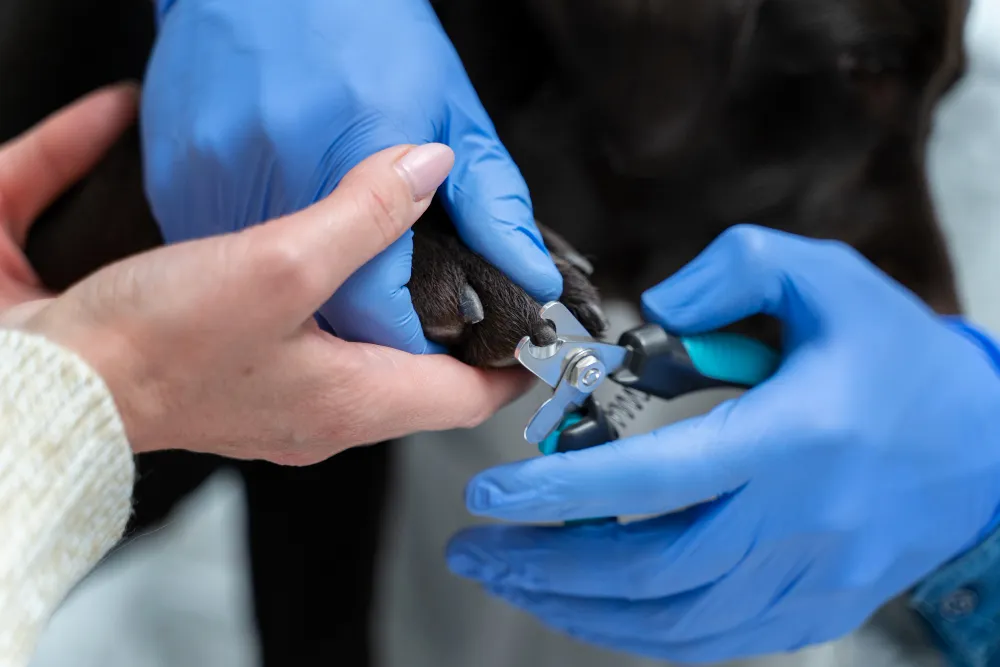
- Regular Nail Trimming: Consistent grooming minimizes the risk of nail bed trauma and inflammation.
- Homeopathic Remedies: Silicea can be beneficial for nail fungus accompanied by pus, sharp pain, or ingrown nails. Epsom salt soaks (1 cup per gallon of warm water) help keep the nail clean. Colloidal silver remains an excellent choice for combating bacteria within the affected nail.
- Nutritional Support: Enriching your dog’s diet with adequate protein is vital for maintaining healthy skin, coat, and nails.
Prevention: Your Best Defense Against Nail Problems
While nail bed infections can occur at any time, proper grooming and adequate nutrition significantly reduce the risk. Schedule regular nail clippings for your dog and ensure their diet is rich in high-quality protein sources. This proactive approach will help maintain strong, healthy nails, preventing breakage and the associated pain and discomfort. For further guidance on canine nutrition, health, and training, explore our blog and contact us.
Volhard Dog Nutrition and its expert nutritionists offer online consultations to help pet parents understand optimal feeding practices. Connect with a Volhard nutritionist through our consultation page to learn about the vital link between healthy food, a healthy body, and a healthy mind.
