
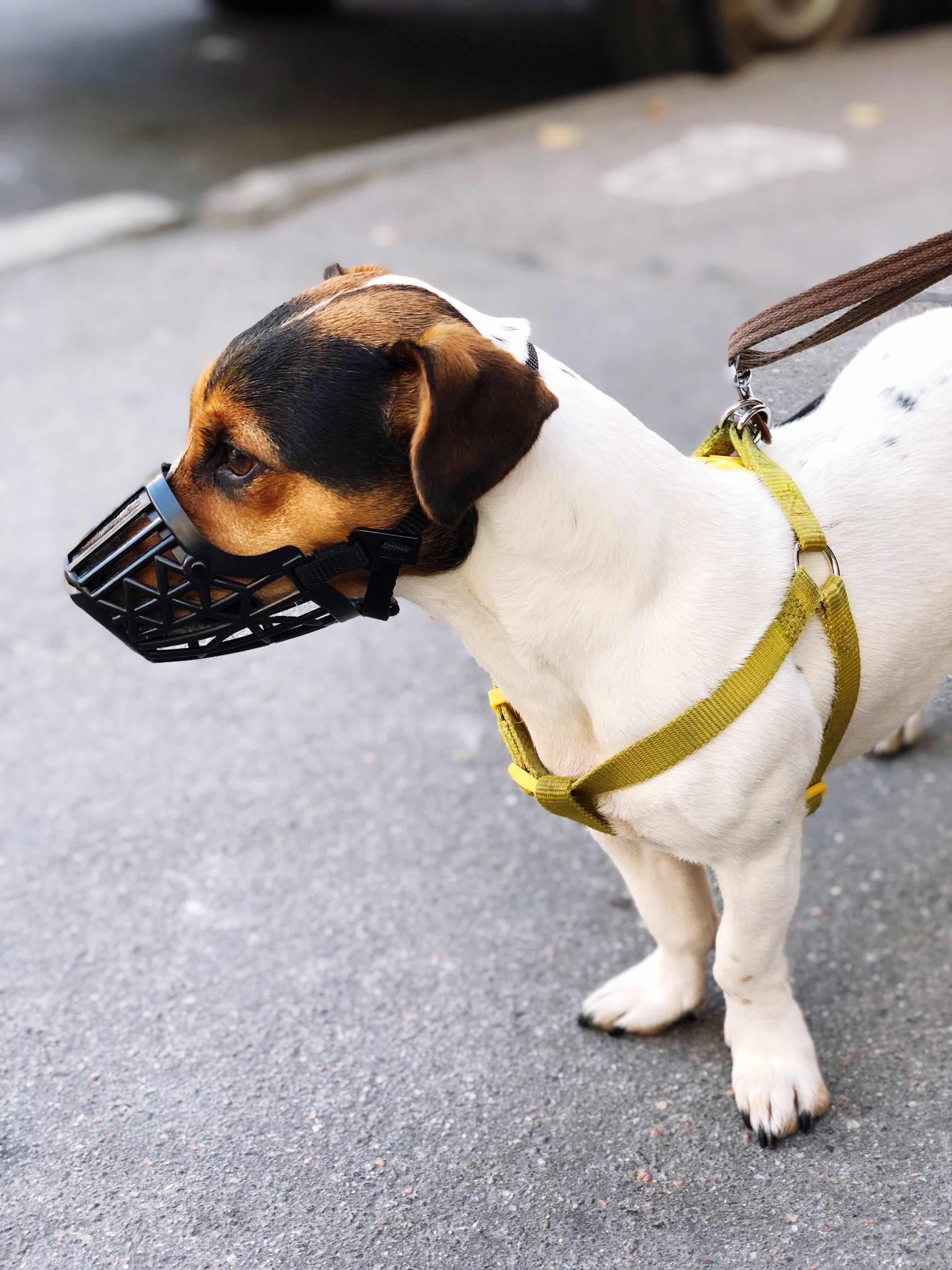
Introducing a muzzle to your dog might seem daunting, but with the right approach, it can be a crucial tool for their safety and well-being. Dog muzzle training isn’t about punishment; it’s about positive association and ensuring your canine friend can navigate various situations with confidence. Whether it’s for vet visits, grooming, or preventing unwanted scavenging, a well-trained dog with a muzzle is a happier, safer dog. This guide will walk you through effective, humane methods to make muzzle training a success, focusing on building trust and positive experiences.
Understanding Why Muzzle Training is Important
Before diving into training, let’s understand why a muzzle can be so beneficial. It’s not a sign of aggression, but a safety measure.
Safety During Vet Visits and Grooming
Unexpected medical procedures or essential grooming can be stressful for dogs. A muzzle can prevent accidental bites when a dog is in pain or anxious, allowing veterinary staff and groomers to perform their jobs safely and efficiently. This protects both the professionals and your dog, who might otherwise be sedated more heavily due to fear.
Preventing Scavenging and Ingestion of Harmful Items
Many dogs have a natural tendency to eat things they shouldn’t, from dropped food on the street to potentially toxic substances. A muzzle can prevent ingestion, acting as a physical barrier. This is particularly useful for dogs with pica or those prone to exploring the world with their mouths.
Managing Reactivity and Fear-Based Behavior
For dogs that exhibit reactivity or fear towards strangers, other dogs, or specific situations, a muzzle can provide an added layer of safety. It doesn’t solve the underlying behavioral issue, but it prevents the dog from biting while you work on training and behavior modification with a professional. This allows for safer exposure to the triggers in a controlled manner.
Temporary Management During Recovery
Following surgery or injury, a muzzle might be necessary to prevent a dog from licking or chewing at wounds, stitches, or bandages, which can lead to infection and slow healing.
Choosing the Right Muzzle for Your Dog
The type of muzzle you choose significantly impacts the training process and your dog’s comfort.
Baskerville Muzzle vs. Basket Muzzle
- Basket Muzzles: These are generally the preferred choice for training and regular use. They are typically made of sturdy plastic or rubber and are designed to allow the dog to pant, drink water, and even take treats while wearing it. This is crucial for comfort and safety, especially during warmer weather or longer wear times.
- Baskerville Muzzles: A popular brand of basket muzzle, often recommended for its comfort, adjustability, and durability. They offer a good balance of security and comfort, allowing for panting and drinking.
Considerations for Fit and Comfort
A well-fitting muzzle is paramount. It should not rub, chafe, or restrict breathing.
- Length: Measure from the tip of the nose to just behind the jaw hinge.
- Circumference: Measure around the snout, just below the eyes.
- Gape: Ensure the dog can open its mouth wide enough to pant comfortably.
It’s essential to consult sizing guides provided by the manufacturer or seek advice from a vet or professional trainer to ensure the best fit.
Step-by-Step Dog Muzzle Training Guide
Muzzle training should always be a positive experience. The goal is for your dog to associate the muzzle with good things.
Phase 1: Positive Association with the Muzzle
- Introduction: Let your dog sniff the muzzle without any pressure. Offer high-value treats near it.
- Treats Inside: Place treats inside the muzzle and let your dog lick them out. Do this without putting the muzzle on them yet.
- Short Wear Times: With the muzzle unbuckled, gently place it on your dog’s snout for just a second or two, immediately rewarding them with a treat pushed through the muzzle. Repeat this multiple times.
- Buckling: Once your dog is comfortable with the muzzle being placed on their snout, start buckling the strap for a few seconds, rewarding them, and then immediately unbuckling and treating.
Phase 2: Increasing Wear Time and Introducing Activities
- Gradual Increase: Slowly increase the duration the muzzle is worn, always pairing it with treats and praise. Aim for short sessions of 5-10 seconds initially, gradually building up to a minute or more.
- Distraction: While the muzzle is on, engage your dog in a slightly distracting but positive activity, like a short training session or a gentle game.
- Feeding: Practice feeding small, high-value treats through the muzzle. This reinforces the idea that good things come when the muzzle is on.
- Real-World (Short Durations): Once your dog is comfortable wearing the muzzle for a few minutes, try it during calm, controlled situations, like sitting on the couch or a short walk in a quiet area. Always supervise and ensure the dog remains relaxed.
Phase 3: Using the Muzzle in Specific Contexts
- Grooming/Handling Practice: Gently handle your dog’s ears, paws, or body while they are wearing the muzzle, offering treats and praise. This helps them associate the muzzle with calm handling.
- Pre-Vet Visits: Use the muzzle for short periods leading up to a vet appointment. This can help reduce anxiety associated with handling.
- Controlled Outdoor Experiences: If using the muzzle for walks to prevent scavenging, ensure it’s well-fitted and comfortable for the duration. Always supervise and ensure your dog can still pant and drink water if needed.
Crucially, never force the muzzle onto your dog or leave them unsupervised while wearing it. The process should be gradual and positive, allowing your dog to build confidence and trust. If your dog shows significant stress, stop and return to an earlier, more comfortable stage.
Common Challenges and How to Overcome Them
Even with the best intentions, some challenges can arise during muzzle training.
Dog Tries to Remove the Muzzle
This is common, especially early on.
- Solution: Ensure the muzzle is a secure fit but not too tight. Increase the value of treats used during training. Go back a step if the dog is overly distressed. Distraction is key – engage them in an activity they enjoy while the muzzle is on.
Dog Seems Uncomfortable or Panicked
If your dog is showing signs of stress (panting excessively, lip licking, yawning, whale eye, trying to escape), you are moving too fast.
- Solution: Slow down the process significantly. Break down each step into smaller increments. Focus solely on positive association with the muzzle being present, even without wearing it, before attempting to put it on again. Consider consulting a certified professional dog trainer for personalized guidance.
Dog is Still Trying to Eat Things While Muzzled
Even with a basket muzzle, determined dogs might try to grab small items.
- Solution: Ensure the muzzle design and fit are appropriate. A muzzle that prevents scavenging is essential if this is a primary concern. However, remember that a muzzle is a management tool, not a replacement for supervision and training to address the root cause of scavenging behavior. Learn more about my dog wont stop chewing things up for related issues.
Expert Tips for Successful Muzzle Training
Drawing on the experience of seasoned professionals can make all the difference.
Make it a Reward, Not a Punishment
Always associate the muzzle with something positive. Use high-value treats, praise, and affection. Never use the muzzle as a punitive measure or when you are feeling frustrated.
Consistency is Key
Short, frequent training sessions are more effective than long, infrequent ones. Aim for daily practice, even if it’s just for a few minutes.
Know When to Seek Professional Help
If you are struggling, or if your dog exhibits significant fear or aggression, consult a certified professional dog trainer or a veterinary behaviorist. They can assess your dog’s specific needs and provide tailored guidance. For specific training challenges, understanding how to train the dog to stop barking or train dog not to pull can also be beneficial.
Generalizing Muzzle Use
Once your dog is comfortable, practice wearing the muzzle in different, low-stress environments to help them generalize the positive association. This could include short periods in different rooms of the house or during calm activities outside.
Conclusion: Building Trust Through Positive Muzzle Training
Muzzle training is an investment in your dog’s safety and your peace of mind. By approaching it with patience, positivity, and consistency, you can help your dog view the muzzle not as a restriction, but as a normal part of their life, associated with rewards and security. Remember, the goal is to build a stronger bond with your canine companion, ensuring they are safe and comfortable in all situations. This commitment to their well-being enriches your shared journey, making every “Dog Care Story” a positive one.
