
Welcoming a new puppy or an adult dog into your home is an exciting time, filled with joy and boundless energy. One of the most crucial aspects of dog ownership, especially in urban environments or for less mobile individuals, is successful house training. While traditional outdoor potty breaks are common, the use of a dog litter box offers a convenient and effective alternative. This method requires patience, consistency, and the right approach, but with these Dog Litter Box Training Tips, you can establish a clean and comfortable routine for your canine companion.
Understanding the nuances of dog behavior and implementing a structured training plan are key. Many owners wonder about the feasibility of litter box training for dogs, often associating it primarily with cats. However, with the correct techniques and a deep understanding of your dog’s needs, it’s entirely achievable. This guide will walk you through everything you need to know, from selecting the right litter box to troubleshooting common issues, ensuring your journey with dog litter box training is as smooth as possible.
The Case for Canine Convenience: Why Choose a Dog Litter Box?
Before diving into the “how,” let’s explore the “why.” A dog litter box isn’t just a novelty; it’s a practical solution for various lifestyles and situations.
Benefits of Dog Litter Box Training
- Convenience for Small Breeds and Puppies: For owners of small breeds or those with young puppies who haven’t completed their vaccinations, a litter box provides a safe and accessible potty solution indoors.
- Assistance for Senior or Disabled Dogs: Older dogs or those with mobility issues may find it difficult to go outside, especially in harsh weather. A litter box offers them independence and comfort.
- Apartment Living: For those living in apartments or high-rise buildings, frequent trips outside can be time-consuming and inconvenient. A litter box simplifies the process.
- Bad Weather Solution: Rainy days, snowstorms, or extreme heat won’t disrupt your dog’s potty routine when a litter box is available.
- Faster Potty Training: For some dogs, especially puppies, the confinement and specific location of a litter box can accelerate the learning process, making it easier for them to understand where they are supposed to go.
Setting the Stage: Choosing the Right Dog Litter Box
The foundation of successful dog litter box training lies in selecting the appropriate equipment. Not all litter boxes are created equal, and what works for one dog might not work for another.
Types of Dog Litter Boxes
- High-Sided Plastic Boxes: These are similar to cat litter boxes but often larger and sturdier to accommodate dogs. They are easy to clean and durable.
- Open Trays: Simple, flat trays with raised edges are a good option for dogs who prefer more space.
- Puppy Playpens with Grates: Some owners use a dog playpen with a grated floor, placing puppy pads or litter underneath. This encourages dogs to go on the grate, keeping their paws clean.
- Self-Cleaning Litter Boxes: While more expensive, these automated boxes can be a significant time-saver for busy owners.
Litter Material Matters
The choice of litter is crucial. Dogs have different preferences than cats, and some materials are safer and more effective.
- Puppy Training Pads: These are absorbent pads that can be placed inside a litter box or tray. They are a popular choice for puppies as they mimic the feel of grass and are easy to dispose of.
- Wood Pellets: These are eco-friendly, absorbent, and can help control odors. Ensure they are made from safe, kiln-dried wood.
- Recycled Paper Pellets: Another sustainable option, these are highly absorbent and good for odor control.
- Artificial Grass Mats: These can be placed in a litter box system, offering a feel that’s closer to outdoor grass. They are washable and reusable.
- Avoid Clay or Clumping Cat Litter: These can be harmful if ingested by dogs, as they can clump in the stomach and cause blockages. They are also not designed for the volume of urine a dog might produce.
The Training Blueprint: Step-by-Step Dog Litter Box Mastery
Consistency is your greatest ally in dog litter box training. Treat this process with the same dedication you would for outdoor house training.
Step 1: Introduction and Location
- Choose a Permanent Spot: Select a quiet, low-traffic area in your home for the litter box. This should be a consistent location throughout the training process. Avoid placing it near your dog’s food and water bowls or their sleeping area.
- Introduce the Box: Let your dog explore the litter box. You can place a few of their favorite toys or treats around it to create positive associations. If you are using puppy pads inside the box, you can initially place a soiled pad (from when they last went potty) in the box to transfer their scent.
Step 2: Establishing a Routine
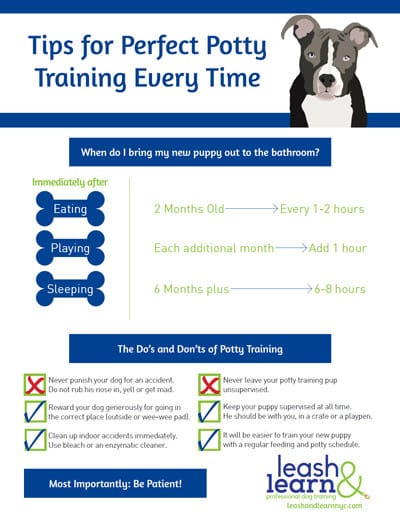
- Frequent Potty Breaks: Take your dog to the litter box frequently, especially:
- First thing in the morning.
- After waking up from naps.
- After playing.
- After eating or drinking.
- Before bedtime.
- Supervision is Key: Keep a close eye on your dog, especially during the initial training phases. Look for signs that they need to go, such as sniffing the ground intently, circling, whining, or heading towards the litter box area.
- Guided Trips: When you see these signs, gently lead your dog to the litter box. Stay with them patiently.
Step 3: Positive Reinforcement
- Praise and Rewards: The moment your dog eliminates in the litter box, praise them enthusiastically! Use a happy, encouraging tone. Follow up with a high-value treat or a favorite toy immediately after they finish. This positive reinforcement is crucial for cementing the desired behavior.
- Consistency in Rewards: Ensure that every successful trip to the litter box is rewarded. This consistent feedback helps your dog understand that using the box leads to good things.
Step 4: Handling Accidents
- Don’t Punish: If an accident happens outside the litter box, do not scold or punish your dog. Punishment can create fear and anxiety, making them more likely to hide when they need to potty, which hinders the training process.
- Clean Thoroughly: Clean up accidents immediately and thoroughly using an enzymatic cleaner specifically designed for pet messes. This is vital to eliminate odors that might attract your dog back to the same spot. Avoid ammonia-based cleaners, as they smell similar to urine and can encourage remarking.
- Re-evaluate: If accidents are frequent, it might indicate that your dog isn’t quite grasping the concept, or they might need more frequent trips to the box. Re-evaluate your routine and supervision levels.
Step 5: Gradual Transition (If applicable)
- From Indoor to Outdoor (or vice-versa): If you are transitioning from outdoor training to an indoor litter box, or vice versa, take it slow. If moving outdoors, gradually place the litter box closer to the door, then outside, and eventually remove it. If moving to an indoor box from outdoors, start by placing the box near the door and gradually move it to the desired indoor location.
- Consistency is Paramount: Whichever method you choose, maintain extreme consistency. This helps your dog build confidence and understand expectations.
Addressing Common Challenges in Dog Litter Box Training
Even with the best intentions, you might encounter a few hiccups along the way. Here’s how to tackle them:
1. My Dog Won’t Use the Litter Box
- Review the Litter: Does your dog dislike the texture or scent of the litter material? Try a different type of litter or puppy pad.
- Location, Location, Location: Is the box in a busy or distracting area? Try moving it to a quieter spot.
- Size Matters: Is the litter box large enough for your dog to comfortably turn around and squat? Ensure it’s appropriately sized for their breed and body.
- Positive Association: Reinforce positive experiences. If they go in the box, praise and reward generously.
- Scent Cue: Try placing a small amount of their urine-scented paper towel in the box to give them a scent cue.
2. My Dog Uses the Area Around the Box, Not In It
- Size Adjustment: The box might be too small, or the sides might be too high for them to step over comfortably. Consider a larger, more accessible box.
- Containment: If you’re using a tray, ensure the sides are high enough to contain accidents. Some dogs aim for the edge rather than the center.
- Supervision: This often points to a need for closer supervision and more frequent guided trips to the box during the critical moments.
3. My Dog Chews or Plays with the Litter Material
- Material Choice: Some dogs are naturally more inclined to chew. Avoid loose materials like wood pellets if this is a persistent issue. Opt for solid, non-toxic options like artificial grass mats or specific dog-friendly litter granules.
- Provide Alternatives: Ensure your dog has plenty of appropriate chew toys available.
- Supervision: Supervise them when they are near the litter box until this behavior is managed.
4. My Dog is Holding It Too Long
- Medical Check: If your dog seems to be deliberately avoiding the box and holding it for extended periods, consult your veterinarian. This could indicate a medical issue or discomfort associated with the box or litter.
- Routine Adjustment: Perhaps their current routine isn’t aligning with their natural potty urges. Adjust feeding and potty break schedules.
Expert Insights: Professional Advice for Litter Box Training
“When introducing a litter box, think of it as teaching a new language,” says Dr. Emily Carter, a certified veterinary behaviorist. “Patience, repetition, and positive reinforcement are paramount. Never resort to punishment; instead, focus on rewarding the desired behavior. For puppies, consistency is key, aiming for frequent, short sessions. For adult dogs, understand that they may have established habits that need unlearning, which requires even more patience and a clear, consistent approach.”
When considering dog potty training spray, it can be a helpful tool to attract your dog to the designated area. However, it should be used in conjunction with consistent routines and positive reinforcement, not as a standalone solution. Similarly, if you’re exploring dog training pads near me, ensure they are placed within the litter box setup for optimal success.
Frequently Asked Questions About Dog Litter Box Training
Q1: Can any dog be trained to use a litter box?
A1: While most dogs can be trained, success depends on factors like age, breed, past training, and the owner’s consistency. Smaller breeds and puppies tend to adapt more readily.
Q2: How long does it take to train a dog to use a litter box?
A2: Training times vary significantly. Puppies might take a few weeks, while older dogs with established habits could take longer. Consistent effort is more important than speed.
Q3: What is the best litter material for dogs?
A3: Puppy training pads, wood pellets, or artificial grass mats are generally recommended. Avoid clay or clumping cat litter due to ingestion risks.
Q4: How do I deal with odor from a dog litter box?
A4: Use absorbent, odor-controlling litter materials. Clean the box daily and use enzymatic cleaners for any accidents. Some litter boxes come with charcoal filters for added odor control.
Q5: My dog is hesitant to use the litter box. What can I do?
A5: Ensure the box is clean, in a quiet location, and the right size. Use positive reinforcement with treats and praise every time they use it successfully. Consider switching litter materials if they show aversion.
Conclusion: Embracing the Dog Litter Box Lifestyle
Dog litter box training offers a modern, convenient, and humane approach to house training, particularly beneficial for specific lifestyles and needs. By understanding your dog’s cues, choosing the right equipment, and maintaining a consistent, positive reinforcement-based training regimen, you can successfully integrate a litter box into your home. Remember, every dog learns at their own pace. Celebrate the successes, learn from the accidents, and enjoy the companionship without the constant worry of outdoor potty breaks. This method, when done correctly, can significantly enhance the quality of life for both you and your beloved canine friend, fostering a cleaner home and a stronger bond.
