
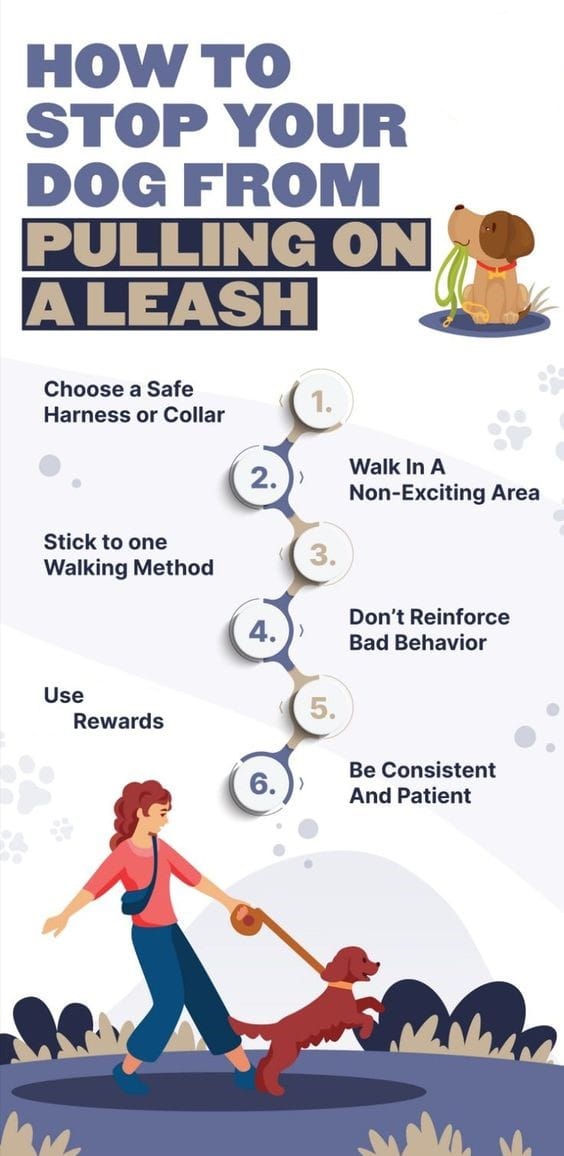
Bringing a new dog into your life is an exciting adventure, and one of the most fundamental skills you’ll teach them is how to walk politely on a lead. It’s more than just preventing pulling; it’s about building a strong, trusting partnership between you and your canine companion. A well-behaved dog on a lead transforms walks from a struggle into a joyful, shared experience. Whether you’re a seasoned dog owner or welcoming your first pup, understanding effective lead training techniques is key to unlocking a harmonious relationship. This guide will delve into the essentials of Dog Lead Training Tips, ensuring your walks are always a pleasure.
The Foundation of Lead Training: Understanding Your Dog’s Needs
Before diving into specific techniques, it’s crucial to understand why dogs pull and what motivates them. Dogs naturally explore their environment with their noses, and a dangling lead can be a signal to lunge, sniff, or chase after interesting scents or sights. For puppies, it’s a natural extension of their exploration, while for older dogs, ingrained habits can be harder to break. Understanding that pulling often stems from excitement, curiosity, or a lack of clear communication is the first step.
Why Dogs Pull on the Lead
- Excitement and Curiosity: The world is a symphony of smells and sights for a dog, and they often want to get to it now.
- Lack of Training: They haven’t yet learned that walking beside you is the desired behavior.
- Breed Tendencies: Some breeds, like scent hounds, are naturally more inclined to follow a scent.
- Anxiety or Fear: A dog feeling anxious may try to pull away from a perceived threat.
Essential Gear for Successful Lead Training
The right equipment can make a significant difference. While a standard flat collar and lead are a starting point, consider these options as your dog progresses:
- Martingale Collars: These are designed to tighten slightly when the dog pulls, providing a gentle cue to slow down without choking. They are particularly useful for dogs with slim heads that can slip out of flat collars.
- Front-Clip Harnesses: These harnesses attach the lead to a point on the dog’s chest. When the dog pulls, it gently turns them back towards you, redirecting their momentum and making pulling less rewarding. This is often a preferred method for managing strong pullers.
- Head Halters: Similar to a halter for horses, these fit around the dog’s muzzle and behind the ears. They offer excellent control by guiding the dog’s head, but require careful introduction to ensure your dog is comfortable.
- Standard Leash: A 4-6 foot nylon or leather leash is generally recommended for training. Avoid retractable leashes, as they offer less control and can teach dogs to pull against constant tension.
Getting Started: The Basics of Dog Lead Training Tips
The goal is to teach your dog that a loose lead is the most rewarding way to walk. This means rewarding them for walking by your side, with slack in the lead.
Introducing the Lead and Collar/Harness
- Positive Association: Let your dog wear the collar or harness for short periods indoors, associating it with good things like treats and praise.
- Gentle Introduction: Attach the lead and let them drag it around a safe, enclosed area under supervision. This helps them get used to the feeling.
- First Steps: Once they are comfortable, pick up the lead and offer a treat. As they move with you, reward them. If they pull, simply stop moving. Wait for the lead to slacken before continuing.
The “Stop and Go” Method
This is the cornerstone of loose-lead walking.
- Start Walking: Begin your walk at a relaxed pace.
- Dog Pulls: The moment you feel tension on the lead, stop walking immediately. Stand still like a tree.
- Lead Slackens: Wait patiently. As soon as the dog offers even a slight slack in the lead (they might look back at you, or take a step back), resume walking.
- Reward Slack: When the dog walks beside you with a loose lead, offer praise and a treat. Make walking with a loose lead the most rewarding option.
This method teaches the dog that pulling stops the fun (walking forward), while a loose lead allows them to continue exploring with you.
Advanced Dog Lead Training Tips for Specific Challenges
As your dog gets the hang of the basics, you might encounter specific challenges. Here’s how to address them:
Dealing with Lunging and Reactivity
Some dogs lunge at other dogs, people, or even cars. This is often rooted in fear, frustration, or a lack of socialization.
- Increase Distance: If you see a trigger, create more distance. Cross the street, turn around, or step behind a car.
- Positive Reinforcement: When your dog notices the trigger but remains calm, reward them with high-value treats. This helps them associate the trigger with good things.
- Management Tools: Consider a front-clip harness or head halter for better control during training.
- Professional Help: For severe reactivity, consult a certified professional dog trainer or behaviorist.
Teaching Your Dog to Walk Nicely Off-Leash (Where Appropriate)
While not all dogs can be walked off-leash, teaching a reliable recall and stop command is crucial for safety. This is an extension of lead training, building on the trust and communication you’ve established. For areas where off-leash walking is permitted and safe, practicing how to train dog to walk on leash principles of recall and disengagement is vital.
Preventing distractions during training
Distractions are everywhere! Parks, busy streets, other dogs – they all present challenges.
- Start in Quiet Areas: Begin lead training in a controlled, low-distraction environment, like your backyard or a quiet street.
- Gradually Increase Difficulty: As your dog improves, slowly introduce more distracting environments.
- High-Value Rewards: Use extra-special treats (like small pieces of cheese, chicken, or hot dogs) for training in distracting situations.
- Maintain Consistency: Ensure everyone who walks the dog uses the same training methods.
The Importance of Consistency and Patience
Lead training is a journey, not a race. Every dog learns at their own pace, and some days will be better than others.
Consistency is Key
- Everyone on Board: Make sure all family members and anyone who walks the dog are using the same commands and techniques. Inconsistent signals can confuse your dog and hinder progress.
- Regular Practice: Short, frequent training sessions are more effective than long, infrequent ones. Aim for 5-10 minutes several times a day.
Patience and Positive Reinforcement
- Celebrate Small Wins: Acknowledge and reward every step in the right direction, no matter how small. A moment of loose lead walking is progress!
- Avoid Punishment: Never yank, jerk, or punish your dog for pulling. This can create fear, anxiety, and potentially damage your relationship. Focus on rewarding the desired behavior.
- Understand Setbacks: If your dog has an off day or regresses, don’t get discouraged. Revert to easier steps if necessary and build back up.
Beyond the Walk: Building a Stronger Bond
Effective lead training is a powerful tool for strengthening the bond between you and your dog. It requires communication, understanding, and mutual respect. By applying these dog lead training tips, you’re not just teaching your dog to walk nicely; you’re building a foundation of trust and cooperation that will enrich both your lives. Remember, a well-trained dog is a happy dog, and a happy dog makes for a happy owner. So, grab that lead, be patient, and enjoy the journey of discovering the world together, one loose-lead step at a time.
