
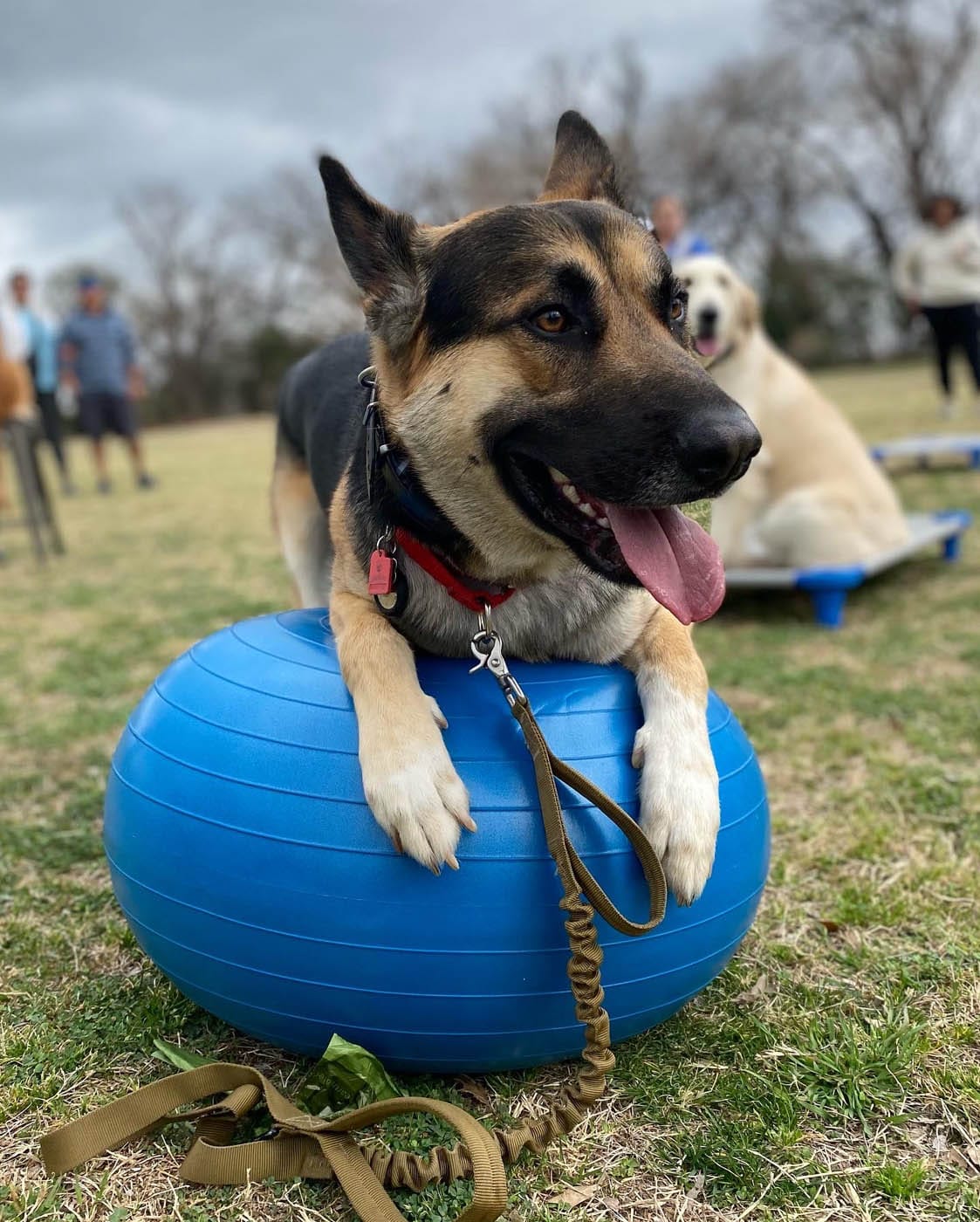
Embarking on the journey of dog hunting training in Minnesota is a deeply rewarding experience, connecting you with the rich outdoor heritage of the state and forging an unbreakable bond with your canine companion. Whether you dream of flushing grouse in the Northwoods or retrieving waterfowl on the Mississippi, the principles of effective training remain constant. This guide will delve into the essential aspects of preparing your dog for the Minnesota hunting season, ensuring both safety and success in the field.
Understanding the Minnesota Hunting Landscape
Minnesota boasts a diverse range of hunting opportunities, from upland birds like pheasant and grouse to migratory waterfowl and various big game. Each type of hunting requires specific skills and temperaments from a dog. For instance, a flushing dog needs to be adept at locating birds and driving them into the air, while a retrieving dog must possess a strong fetch drive and an impeccable “soft mouth” to bring back game undamaged. Understanding the specific demands of the hunting you intend to pursue in Minnesota is the crucial first step in tailoring your dog’s training.
Essential Qualities of a Hunting Dog
Beyond breed predispositions, several core qualities make a dog successful in the hunting field:
- Drive and Enthusiasm: A good hunting dog is eager to work and exhibits natural enthusiasm for the task. This intrinsic motivation is key, especially during long days in varied weather conditions.
- Trainability and Intelligence: While some breeds are more naturally inclined, all hunting dogs benefit from a handler who can communicate effectively. A dog that is intelligent and responsive to commands will learn more quickly and safely.
- Stamina and Physical Fitness: Hunting can be physically demanding. Dogs need to have the endurance to cover ground, navigate challenging terrain, and work for extended periods. Regular exercise is paramount, and specific conditioning programs can further enhance their fitness.
- Focus and Bird Sense: The ability to focus on the task at hand, ignoring distractions, is vital. A dog with a good “nose” and an innate understanding of game behavior will be more efficient and effective.
- Temperament: A well-adjusted temperament is crucial for safety and teamwork. Dogs should be confident but not aggressive, and responsive to their handler’s cues.
Core Training Components for Minnesota Hunters
1. Obedience Foundation
Before venturing into the field, a solid obedience foundation is non-negotiable. This includes reliable recall, a strong “stay” command, and the ability to heel. These commands are not just about control; they are about safety. A dog that reliably comes when called can be prevented from running into danger, and a strong “stay” ensures they remain in a safe position while you handle game.
How to train a dog to be calm in high-excitement situations is particularly important. This often involves gradually exposing them to stimuli while rewarding calm behavior. Practicing obedience in distracting environments, starting with mild distractions and progressing to more intense ones, builds a dog’s ability to focus on commands amidst the chaos of a hunt.
2. Socialization and Exposure
Early and comprehensive socialization is critical. Exposing puppies to a wide variety of sights, sounds, people, and other animals in a positive way helps them develop into well-adjusted adults. For hunting dogs, this also includes introducing them to the sights and sounds of hunting equipment, such as shotguns (at a safe distance and volume initially), decoys, and hunting vehicles. Gradual exposure to different terrains, water, and weather conditions common in Minnesota will prepare them for real-world hunting scenarios.
3. Developing the Retrieve
For waterfowl and upland bird hunters, the retrieve is paramount. This skill involves teaching the dog to:
- Mark: Watch where the bird falls.
- Fetch: Go to the downed bird.
- Carry: Pick up the bird gently.
- Deliver: Bring the bird back to the handler.
Training typically starts with simple fetch games using dummies and progresses to live birds (under controlled conditions) as the dog gains confidence and skill. It’s important to develop a “soft mouth” to avoid damaging game.
4. Scent Work and Bird Introduction
A hunting dog’s nose is their most valuable tool. Scent introduction can begin early, using scent articles or quail launchers to expose them to bird scent. This phase is about building enthusiasm for the scent and encouraging the dog to track it. For flushing dogs, this leads to pointing or quartering behaviors, while for retrievers, it focuses on locating downed game.
Specialized Training for Minnesota’s Game
Upland Bird Hunting
Training for upland birds like pheasant and grouse involves teaching the dog to “quarter” – to hunt back and forth in front of the handler in a pattern that covers ground effectively. They need to learn to locate the bird, hold their point or flush on command, and then retrieve the downed bird. Understanding the subtle body language of your dog is key to anticipating where the birds might be.
Waterfowl Hunting
Waterfowl hunting requires dogs to be proficient swimmers and retrievers. Training often involves extensive work in various water conditions, including cold Minnesota lakes and rivers. Teaching the dog to “take a blind retrieve” – going to a downed bird it didn’t see fall, relying solely on handler commands – is an advanced but critical skill for many duck and goose hunters.
Equipment for Training and Hunting
The right dog training equipment for sale can significantly aid your training process. This includes:
- Leashes and Collars: For basic obedience and control.
- Training Dummies/Retrieval: For fetch and retrieve training.
- Scent Articles: For scent discrimination.
- Whistles: For command signals, especially useful at a distance.
- GPS Collars/Trackers: For safety and training in large, open areas.
- Life Vests: Essential for waterfowl training and hunting in cold water.
Safety First: Preparing for Minnesota’s Elements
Minnesota’s hunting seasons can bring challenging weather. Ensuring your dog is prepared is crucial:
- Cold Weather: Dogs, especially short-coated breeds, may need protective vests or even coats. Always monitor for signs of hypothermia.
- Water Safety: Cold water poses a significant risk. Ensure your dog has the stamina and is wearing a life vest if necessary. Always have a way to warm them up quickly after swimming.
- Terrain: Be aware of ice, snow drifts, and other hazards. Train your dog to navigate safely.
- Wildlife Encounters: While training, be mindful of other wildlife that could pose a danger to your dog.
Advanced Training and Handler Partnership
As your dog progresses, advanced training may include:
- The “Dead” or “Hold” command: Teaching the dog to hold onto game without chewing.
- Hand Signals: Complementing whistle commands.
- Force Fetch: A systematic method to ensure a dog picks up and delivers retrieve items.
- Blind Retrieves: As mentioned, crucial for waterfowl hunting.
Ultimately, the most effective hunting dog is one that has a strong partnership with its handler. This partnership is built on trust, clear communication, and mutual respect, honed through consistent and positive training. The dog training lifetime guarantee offered by some professional trainers speaks to the dedication required and the lasting impact of good training.
Conclusion: The Unfolding Story
Training a dog for hunting in Minnesota is a journey, not a destination. It’s about dedication, patience, and celebrating each milestone. By focusing on a strong obedience foundation, comprehensive socialization, and tailored training for the specific game you pursue, you can develop a capable and enthusiastic hunting partner. The shared experiences in the field, from the quiet anticipation of a point to the triumphant retrieve, create stories that will be cherished for a lifetime. Remember, the bond forged through this process is as valuable as any trophy.
