
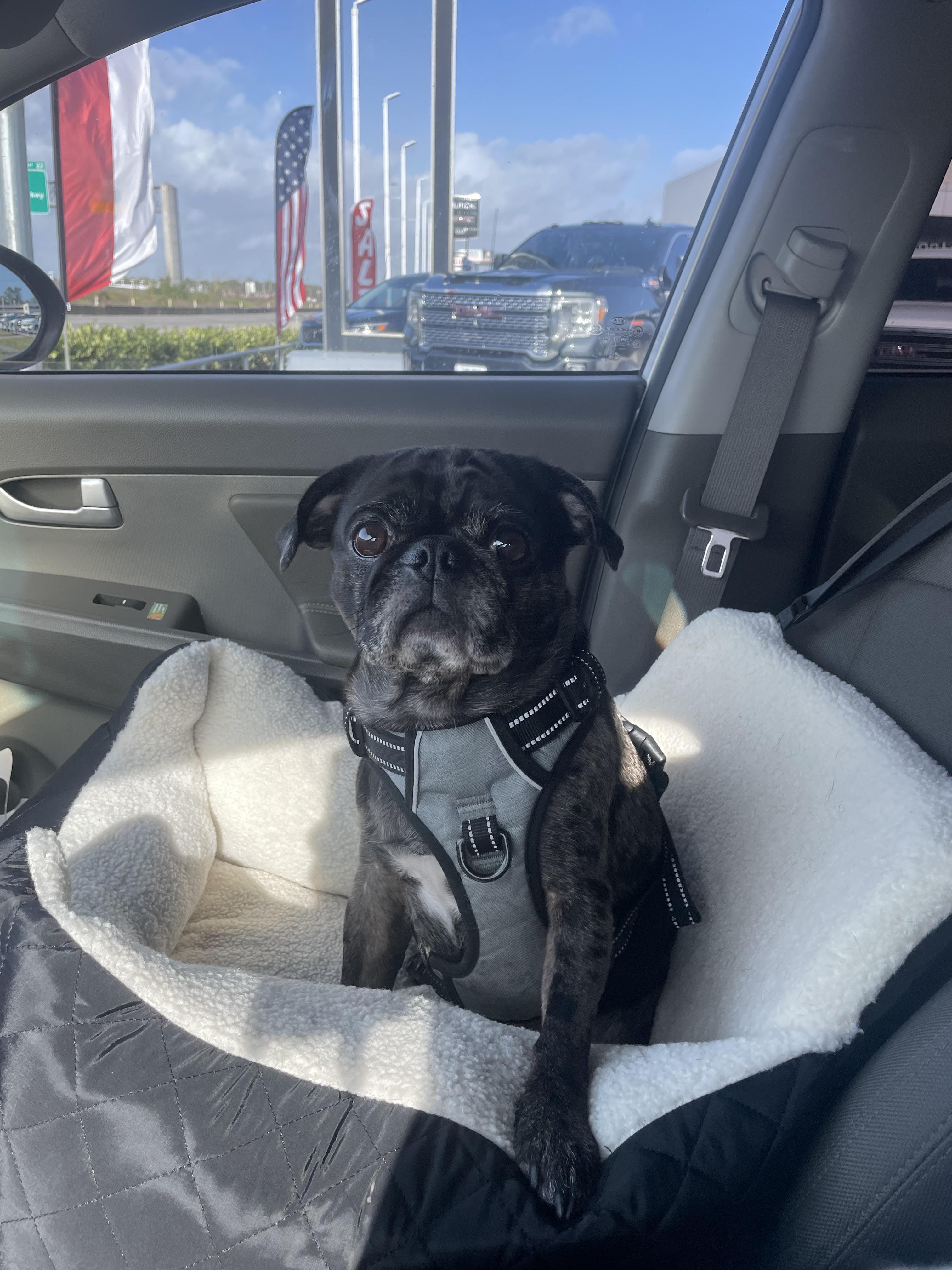
It’s a disheartening moment for any dog owner: you’ve successfully house-trained your furry friend, only to see them start having accidents indoors again. This phenomenon, known as house training regression, can be baffling and frustrating. However, understanding the underlying causes is the first step toward resolving it and restoring your dog’s reliable indoor manners. This comprehensive guide will delve into why house training regression happens and, more importantly, how to address it effectively, drawing on insights from expert canine behaviorists and practical owner experiences.
What is House Training Regression in Dogs?
House training regression occurs when a dog, previously reliably house-trained, begins to eliminate indoors again. This can manifest as occasional accidents or a complete return to old habits. It’s important to distinguish this from a puppy who is still learning or an older dog experiencing medical issues, although medical causes should always be ruled out first. Regression typically affects dogs who have demonstrated consistent good behavior for a significant period.
Common Causes of House Training Regression
Several factors can contribute to a dog regressing in their house-training. Identifying the specific trigger is crucial for a targeted solution.
Medical Issues
This is the most critical cause to rule out. Underlying medical conditions can lead to a sudden loss of bladder or bowel control.
- Urinary Tract Infections (UTIs): These are common and can cause discomfort and a sudden urge to urinate.
- Kidney Disease: Can affect bladder control.
- Diabetes: Increased thirst and urination are common symptoms.
- Cognitive Dysfunction Syndrome (CDS): Similar to dementia in humans, CDS can affect older dogs’ awareness and control.
- Gastrointestinal Issues: Upset stomach or other digestive problems can lead to accidents.
- Mobility Issues: Arthritis or other painful conditions can make it difficult for a dog to get outside in time.
Always consult your veterinarian if you notice a sudden change in your dog’s potty habits, especially if they are older or show other signs of illness.
Changes in Routine or Environment
Dogs thrive on routine. Any significant disruption can trigger stress and lead to accidents.
- New Schedule: A change in your work schedule, sleep patterns, or feeding times can alter your dog’s potty needs and when they feel comfortable signaling them.
- New Family Member: The arrival of a new baby, a new pet, or even a frequent visitor can upset a dog’s established routine and create anxiety.
- Moving to a New Home: A new environment can be disorienting and stressful for dogs, sometimes leading to accidents as they adjust.
- Changes in Homeowners: If a primary caregiver leaves the home or passes away, the dog may experience grief and anxiety.
- Construction or Loud Noises: External disturbances can frighten a dog and make them hesitant to go outside, or cause them to seek comfort indoors.
Behavioral and Emotional Factors
Beyond routine, a dog’s emotional state plays a significant role in their behavior.
- Anxiety and Fear: Loud noises (thunderstorms, fireworks), separation anxiety, or fear of certain people or objects can lead to accidents. Dogs may urinate or defecate out of fear or stress.
- Submissive or Excitement Urination: Some dogs, particularly puppies or highly sensitive dogs, may urinate when excited or feeling submissive, especially during greetings. While this is often a developmental stage, significant stress can exacerbate it.
- Marking Behavior: Unneutered or unspayed dogs, or even those who are fixed, may start marking their territory indoors, especially if there are new scents or changes in the household. This is often a communication behavior.
- Lack of Sufficient Potty Breaks: If your dog is left alone for longer periods than they can physically hold it, or if their outdoor access is reduced, accidents are bound to happen.
- Incomplete House Training: Sometimes, regression isn’t a true regression but a sign that the initial house training was not fully established or needs reinforcement.
Age-Related Changes
As dogs age, their bodies change, and so can their potty habits.
- Senior Dogs: Similar to medical issues, older dogs can experience a decline in bladder control due to weakened muscles or neurological changes. Cognitive Dysfunction Syndrome (CDS) is also more prevalent in senior dogs.
- Puppies: While not true regression, young puppies have small bladders and limited control, requiring frequent trips outside and consistent reinforcement.
Addressing House Training Regression: A Step-by-Step Approach
Re-establishing house-training requires patience, consistency, and a thorough understanding of the potential causes.
Step 1: Rule Out Medical Issues
This cannot be stressed enough. Schedule a veterinary check-up immediately if your dog is experiencing sudden potty accidents. Describe the accidents in detail to your vet—frequency, timing, urine or feces, and any other behavioral changes you’ve observed.
Step 2: Re-evaluate Your Dog’s Routine
Consider any recent changes and how they might be impacting your dog.
- Increase Potty Breaks: Take your dog out more frequently, especially after waking up, after meals, after playtime, and before bedtime. If they were reliably going out every 4 hours, try every 2-3 hours during the adjustment period.
- Consistent Schedule: Stick to a predictable routine for feeding, potty breaks, exercise, and playtime.
- Supervise Closely: When you can’t actively supervise, consider using a crate or a confined area where accidents are less likely and easier to clean. This isn’t punishment; it’s a management tool to prevent the behavior from becoming a habit.
Step 3: Reinforce Positive Potty Habits
Go back to the basics of house training, focusing on positive reinforcement.
- Reward Success Immediately: When your dog eliminates outdoors, offer enthusiastic praise, a favorite treat, or a short play session immediately after they finish. The timing is critical—you want to reward the act of going potty outside.
- Leash Walks for Potty: For a while, consider taking your dog out on a leash to a designated potty spot. This helps focus their attention and ensures they are successful.
- Clean Accidents Thoroughly: Use an enzymatic cleaner specifically designed for pet messes. These cleaners break down the odor molecules that attract dogs back to the same spot. Avoid ammonia-based cleaners, as they smell like urine to dogs.
Step 4: Manage Accidents Appropriately
How you handle accidents is crucial for success.
- Interrupt, Don’t Punish: If you catch your dog in the act, interrupt them with a calm sound (like a clap or a gentle “oops”) and immediately take them outside. If they finish outside, praise them.
- Never Punish After the Fact: Punishing a dog for an accident that happened minutes or hours ago will only teach them to fear you or hide their accidents. They won’t connect the punishment to the past action.
- Avoid Scolding or Rubbing Noses: These methods are ineffective and can damage your relationship with your dog.
Step 5: Address Behavioral and Emotional Triggers
If medical and routine issues are ruled out, focus on the emotional well-being of your dog.
- Reduce Anxiety: For separation anxiety, work on desensitization exercises and consider consulting a professional. For noise phobias, implement management strategies like creating a safe den, using calming aids, or consulting a vet or behaviorist about medication or behavioral modification.
- Socialization and Training: Ensure your dog has ample positive social interactions and continues with obedience training. A confident dog is less likely to develop behavioral issues. If marking is an issue, consult with a veterinarian or professional trainer about spaying/neutering and behavior modification techniques.
- Consider rr professional dog training: If you’re struggling with persistent behavioral issues contributing to regression, professional guidance can be invaluable.
Step 6: What to Do if Your Dog is Having Accidents Indoors Due to Age
For senior dogs, the approach shifts to management and comfort.
- Increased Potty Frequency: Take your senior dog out more often, especially during cooler parts of the day if they are sensitive to heat.
- Potty Pads or Indoor Toilets: Consider using doggy doors, potty pads, or designated indoor relief areas, especially if mobility is an issue.
- Dietary Adjustments: Discuss with your vet if any dietary changes could help manage incontinence.
- Doggy Diapers: For severe incontinence, doggy diapers can be a practical solution to maintain cleanliness and comfort.
Preventing Future Regression
Once you’ve successfully navigated a period of regression, maintaining good habits is key.
- Consistent Training: Continue reinforcing good potty behavior throughout your dog’s life.
- Regular Vet Check-ups: Especially as your dog ages, regular check-ups can catch medical issues early.
- Monitor for Stressors: Be mindful of changes in your dog’s environment or routine and proactively manage potential stressors.
- Provide Adequate Exercise and Mental Stimulation: A tired, content dog is less likely to develop behavioral problems.
Expert Insights on House Training Regression
Dr. Emily Carter, a renowned veterinarian specializing in canine behavior, emphasizes the importance of patience: “Regression is often a communication signal from the dog. It’s our job as owners to decipher that signal, which usually means looking for an underlying cause, whether medical, environmental, or emotional. Punishment is counterproductive; understanding and addressing the root issue is the only way to achieve lasting success.”
Similarly, renowned dog trainer John Smith notes, “Many owners assume regression means their dog is being stubborn or naughty. In reality, dogs don’t have the same concept of ‘naughtiness’ as we do. They are reacting to something. Returning to the basics of positive reinforcement and ensuring all needs are met—physical, mental, and emotional—is paramount.”
Conclusion
House training regression can be a challenging setback, but it is rarely insurmountable. By systematically investigating potential medical causes, examining changes in routine, addressing emotional triggers, and recommitting to positive reinforcement training, most dogs can regain their reliable house manners. Remember that every dog is an individual, and the solution may require a tailored approach. With understanding, consistency, and a compassionate heart, you can help your canine companion overcome regression and continue to be a happy, well-adjusted member of your family. Understanding these nuances, as explored in this guide, is crucial for any loving owner dedicated to their dog’s well-being and to resolving issues like dog crate training regression or general potty accidents.
