
Welcoming a new puppy into your home is an exciting time, filled with wagging tails and playful antics. However, it also comes with the significant responsibility of house training. For many, especially those in apartments or with limited outdoor access, Dog House Training Pads, often called potty pads or pee pads, are an invaluable tool. These absorbent pads provide a designated spot for your puppy to relieve themselves, making the often-challenging process of house training more manageable. But how do you effectively use them to achieve your goal: a fully house-trained dog? This comprehensive guide will walk you through everything you need to know about dog house training pads.
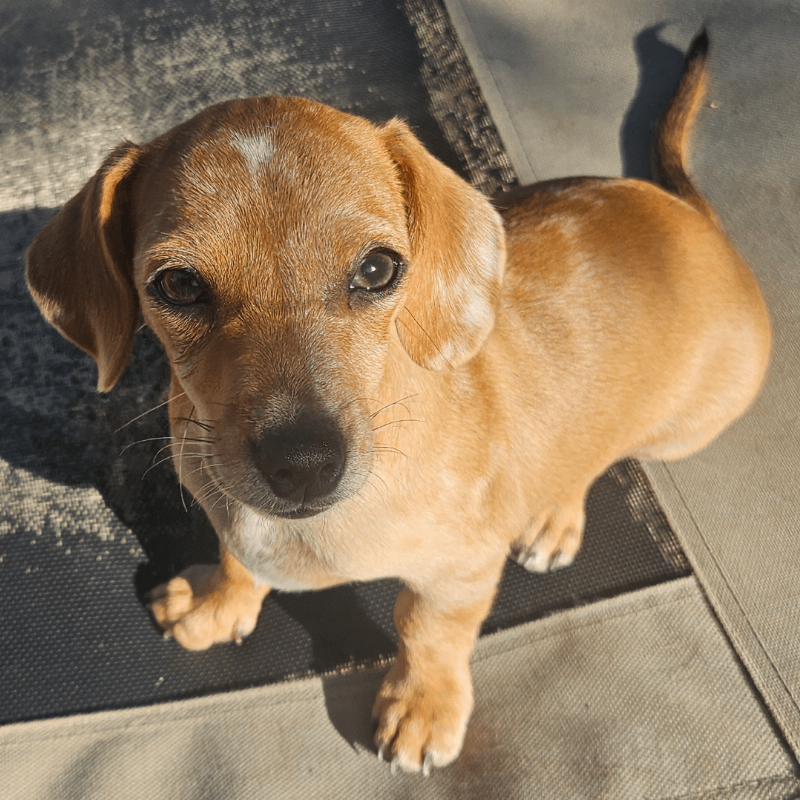 Adorable puppy using a dog house training pad indoors, symbolizing successful house training.
Understanding the Role of Training Pads
Dog house training pads are specifically designed to absorb urine and control odors, offering a convenient solution for house training puppies, senior dogs, or dogs with medical conditions that affect their bladder control. They provide a consistent, indoor potty solution, which can be particularly helpful during the initial stages of training when a puppy’s bladder is small and unpredictable.
Why Use Training Pads?
- Convenience: Especially useful for apartment dwellers or during inclement weather.
- Consistency: Creates a designated potty area, reducing accidents around the house.
- Puppy Bladder Control: Helps manage needs for very young puppies with limited bladder control.
- Senior Dog Assistance: Beneficial for older dogs who may develop incontinence.
- Post-Surgery Recovery: Useful for dogs recovering from surgery and needing restricted movement.
Getting Started: Choosing the Right Training Pads
Not all training pads are created equal. When selecting pads for your dog, consider these factors:
- Absorbency: Look for pads with a high absorbency rate to prevent leaks and keep your floors dry. Many pads have a gel core that locks in moisture.
- Odor Control: Essential for maintaining a fresh-smelling home. Some pads are infused with baking soda or other odor neutralizers.
- Size: Choose a size appropriate for your dog. Larger breeds will need larger pads. A pad that’s too small might lead to misses and messes.
- Material: Some pads have a plastic backing to protect your floors, while others are more eco-friendly.
- Quilted vs. Smooth: Quilted pads can sometimes help spread the liquid, while smooth surfaces might be easier for some puppies to step on.
The Step-by-Step Guide to House Training with Pads
Successful house training with pads requires patience, consistency, and positive reinforcement. Here’s how to do it:
Step 1: Designate a Potty Spot
Choose a specific, consistent location for your training pads. This could be a corner of a room, a bathroom, or a laundry area. Keep the pads in the same spot every time. This helps your dog associate that area with potty breaks.
Step 2: Introduce Your Dog to the Pad
When you bring your puppy home, immediately introduce them to their designated potty area. You can place them on the pad and use a potty command, like “Go Potty.”
Step 3: Establish a Routine
Take your puppy to the training pad frequently, especially:
- First thing in the morning.
- After waking up from naps.
- After playing.
- After eating or drinking.
- Before bedtime.
When you take them to the pad, stay with them and use your potty command.
Step 4: Positive Reinforcement is Key
When your dog successfully uses the training pad, praise them enthusiastically! Give them a small, tasty treat immediately after they finish. This positive association is crucial for reinforcing the desired behavior.
Step 5: Handling Accidents
Accidents will happen. If you catch your dog in the act, interrupt them with a clap or a firm “No,” then immediately escort them to the training pad. If they finish on the pad, praise and reward them.
If you discover an accident after it has happened, do not punish your dog. Punishment can make them fearful of eliminating in front of you, leading to more secretive accidents. Instead, clean the area thoroughly with an enzymatic cleaner to eliminate odors that might attract them back to the same spot.
Transitioning Away from Training Pads
The ultimate goal for most dog owners is to have their dog reliably go outside. Here’s how to transition from pads to outdoor pottying:
Gradual Pad Reduction
- Move the Pad: Once your dog is consistently using the pad in its designated spot, gradually move it closer to the exit door you plan to use for outdoor potty breaks. Move it just a few inches each day.
- Place Pad Outside: Once the pad is at the door, place it just outside the door on the ground.
- Shrink the Pad Area: Once your dog is comfortable using the pad outside, you can start gradually reducing the size of the pad, or placing multiple smaller pads, until you’re using just one.
- Remove the Pad: Eventually, remove the pad entirely. Continue to take your dog to the same spot outside at frequent intervals, praising and rewarding successful outdoor eliminations.
This gradual approach helps your dog understand the new potty location without confusion. It’s important to maintain the outdoor routine rigorously during this phase.
Common Challenges and Solutions
- My dog won’t use the pad: Ensure the pad is clean and has no lingering odors from previous accidents. Try a different brand or type of pad. Use a potty attractant spray if necessary.
- My dog plays or chews on the pads: Some dogs see pads as toys. Ensure you supervise your dog when they are around the pads, especially during the initial stages. Consider using a pad holder to keep them in place and less accessible for chewing. You might also need to implement stricter supervision and a more consistent routine to redirect this behavior.
- My dog only uses the pad sometimes: This often points to an inconsistent routine or insufficient positive reinforcement. Recommit to a strict schedule and ensure you are rewarding successful pad use immediately and enthusiastically.
- My dog prefers a specific spot on the floor: Clean any previous accident spots thoroughly with an enzymatic cleaner. If the preference is strong, you might try placing a pad in that preferred spot temporarily, then gradually move it to the designated area.
Beyond the Basics: Tips for Success
- Enzymatic Cleaners: These are non-negotiable for cleaning up accidents. They break down the odor molecules, preventing your dog from being drawn back to the same spot.
- Potty Attractant Sprays: These can be helpful in the early stages to encourage your dog to go on the pad.
- Supervision: Constant supervision is key, especially with puppies. When you can’t supervise directly, use a crate or a playpen to limit their space and prevent accidents.
- Patience: House training takes time. Every dog learns at their own pace. Celebrate small victories and don’t get discouraged by setbacks.
For many owners, dog house training pads are a vital stepping stone to a house-trained companion. By understanding their purpose, choosing the right products, and implementing a consistent training strategy, you can successfully guide your dog towards reliable potty habits, both indoors and out. Remember, every successful potty on the pad is a step closer to your goal. You might also find resources on how to toilet train a dog indoors helpful as you navigate this process.
