
Hair loss, medically known as alopecia, is a prevalent concern for dog owners. While shedding is a natural process, significant or unusual hair loss can indicate an underlying health issue. Understanding the root cause is crucial for effective treatment and helping your canine companion regain a healthy coat. This article explores the common symptoms, diverse causes, diagnostic approaches, and management strategies for alopecia in dogs, emphasizing the importance of veterinary consultation.
What Exactly is Alopecia in Dogs?
Alopecia refers to the thinning of a dog’s hair or complete baldness in specific areas, exposing the skin. It’s important to distinguish alopecia from normal shedding, which occurs seasonally or throughout the year as part of a dog’s hair follicle life cycle. Alopecia, however, stems from an abnormality in the hair follicle that disrupts this cycle. It can affect dogs of any breed, age, or sex and can be either congenital (present at birth) or acquired (developing later in life). Congenital alopecia can manifest at birth or develop as the puppy matures. If you notice any unusual hair loss on your dog, seeking veterinary attention is paramount to obtain an accurate diagnosis and establish a suitable treatment plan. Fortunately, most causes of hair loss are not life-threatening and do not typically constitute a veterinary emergency.
Recognizing the Signs of Hair Loss in Dogs
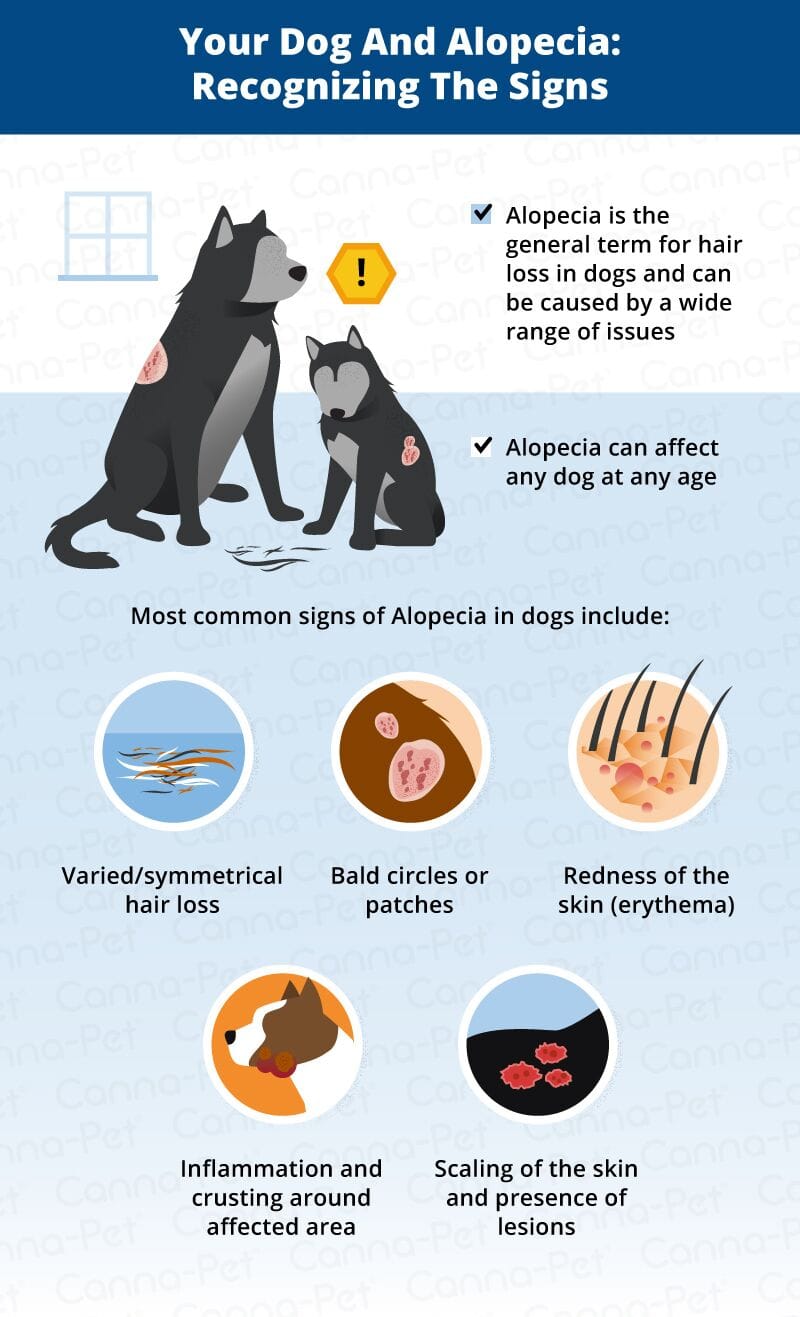
The visible signs of alopecia in dogs can vary depending on the underlying cause. Common symptoms include:
- Localized or widespread bald patches: These can appear suddenly or develop gradually.
- Thinner overall coat: The dog’s fur may seem less dense than usual.
- Reddened or inflamed skin: The exposed skin might appear irritated or discolored.
- Presence of scabs or crusts: These can form on the skin’s surface.
- Bleeding or discharge: In some cases, the affected skin may ooze or bleed.
- Visible external parasites: Fleas, ticks, or mites might be apparent.
- Self-inflicted trauma: Excessive scratching, biting, or chewing at the skin can lead to hair loss and wounds.
Unraveling the Causes of Canine Alopecia
A multitude of factors can contribute to hair loss in dogs, ranging from external irritants to systemic diseases. These can be broadly categorized as congenital or acquired.
Congenital and Hereditary Causes:
Some dogs are born with or predisposed to certain types of alopecia due to their genetic makeup. These conditions are often managed rather than cured.
Acquired Causes:
These develop after birth and are more commonly encountered. They include:
- External Parasites: Fleas, ticks, lice, and mites (such as Demodex and Sarcoptes) are common culprits that can cause intense itching and subsequent hair loss. Mosquito bites can also sometimes lead to skin irritation and localized hair loss.
- Allergies: Dogs can suffer from various allergies, including environmental allergies (atopic dermatitis) and food allergies, which manifest as skin inflammation and hair loss.
- Self-Trauma: Behavioral issues stemming from anxiety, stress, pain, or discomfort can lead to excessive licking, chewing, or scratching, resulting in alopecia.
- Autoimmune Diseases: Conditions like pemphigus, discoid lupus erythematosus (DLE), and systemic lupus erythematosus (SLE) occur when the dog’s immune system mistakenly attacks its own tissues, including hair follicles.
- Friction: Constant rubbing from a tight collar, harness, or clothing can cause localized hair loss.
- Nutritional Deficiencies: An inadequate or unbalanced diet, lacking essential nutrients like vitamins and minerals, can impair hair growth and lead to shedding.
- Chemical Exposure or Burns: Contact with certain chemicals or burns can damage the skin and hair follicles.
- Medications: Some treatments, most notably chemotherapy drugs, can cause temporary hair loss as a side effect.
Veterinary Diagnosis: Pinpointing the Cause
Diagnosing the cause of alopecia involves a comprehensive approach by your veterinarian. This typically includes:
- Detailed History: Your vet will ask about your dog’s lifestyle, diet, any recent changes, symptoms, and the duration of the hair loss. Information about other pets in the household and environmental exposures is also important.
- Physical Examination: A thorough physical exam helps identify patterns of hair loss, assess skin condition, and check for external parasites or signs of infection. Breed predispositions for certain conditions will also be considered.
- Diagnostic Testing: Depending on the initial findings, various tests may be recommended:
- Microscopic Hair Examination: Analyzing hairs from the affected areas can reveal abnormalities in the hair follicle.
- Skin Scrapings: To check for mites like Demodex and Sarcoptes.
- Fungal and Bacterial Cultures: To identify infections like ringworm or secondary bacterial infections.
- Skin Smears/Tape Preps: To detect bacteria, yeast, or inflammatory cells on the skin’s surface.
- Allergy Testing: Including intradermal skin testing or dietary trials (hypoallergenic or limited-ingredient diets) to identify allergens.
- Blood Tests: To check for hormonal imbalances (like hypothyroidism or Cushing’s disease) or underlying systemic illnesses.
- Fecal Analysis: To rule out internal parasites that might contribute to poor health and skin issues.
Treatment and Management Strategies for Alopecia
Effective treatment hinges on an accurate diagnosis. Minor, non-itchy patches of alopecia may sometimes resolve on their own. However, for most cases, veterinary intervention is necessary.
Immediate Symptom Relief:
While awaiting a definitive diagnosis, your veterinarian may recommend measures to alleviate discomfort, such as:
- Anti-itch sprays or topical treatments: To soothe irritated skin.
- Medicated shampoos: To address potential skin infections.
Targeted Treatment Plans:
Once a specific diagnosis is established, a tailored treatment plan will be developed, which may include:
- Oral Medications: Antibiotics, antifungals, antiparasitics, or medications to manage hormonal imbalances (e.g., trilostane for Cushing’s disease).
- Allergy Medications: Antihistamines, Apoquel, Cytopoint injections, or cyclosporine for managing allergic skin disease.
- Topical Therapies: Medicated shampoos, conditioners, or spot-on treatments.
- Dietary Management: Implementing hypoallergenic or limited-ingredient diets for suspected food allergies.
- Nutritional Supplements: Ensuring a balanced diet and supplementing with vitamins or minerals if deficiencies are identified.
- Surgical Intervention: In cases of tumors or growths causing hair loss.
- Chemotherapy/Radiation: For skin cancers.
Recovery and Long-Term Management
The recovery period for alopecia varies significantly depending on the underlying cause, ranging from days to months. Some conditions, like hormonal imbalances or chronic allergies, require lifelong management. Preventing your dog from scratching, licking, or chewing at the affected areas is crucial for healing. This often involves using an Elizabethan collar (cone of shame) or specialized recovery suits. Maintaining a parasite-free environment and promptly addressing any triggers are essential for successful management. Regular veterinary check-ups are vital to monitor the condition and adjust treatment as needed.
Preventing Hair Loss in Dogs
While congenital and hereditary forms of alopecia cannot be prevented, acquired causes can often be mitigated. Consistent, year-round parasite prevention is key to preventing flea and tick infestations. Identifying and avoiding environmental allergens or dietary triggers can also help. Early detection and prompt veterinary consultation are the best strategies for managing any skin or hair loss issues before they become severe. Prioritizing routine health check-ups ensures that potential problems are identified and addressed early in their progression.
Frequently Asked Questions About Dog Hair Loss
When should I be concerned about my dog’s hair loss?
You should be concerned if the hair loss is widespread, accompanied by itching, redness, sores, or if it appears to be worsening. While small, non-itchy patches might resolve on their own, it’s always best to consult your veterinarian if you have any concerns.
Why does my dog have bald spots?
Bald spots can be caused by numerous factors, including parasites, allergies, infections, autoimmune diseases, hormonal issues, or even stress. A veterinarian will conduct diagnostic tests to determine the specific cause for your dog.
Are there home remedies for dog hair loss?
Some over-the-counter medicated shampoos and topical products can provide temporary relief or aid in managing mild conditions. However, it’s crucial to avoid using any treatments before a veterinary diagnosis, as they can interfere with diagnostic testing. Always consult your vet before trying home remedies.
Which vitamin deficiencies cause hair loss in dogs?
Deficiencies in certain vitamins and minerals, such as zinc, vitamin E, biotin, vitamin A, or iron, can contribute to hair loss in dogs. Ensuring a balanced and high-quality diet is essential for preventing such deficiencies.
