
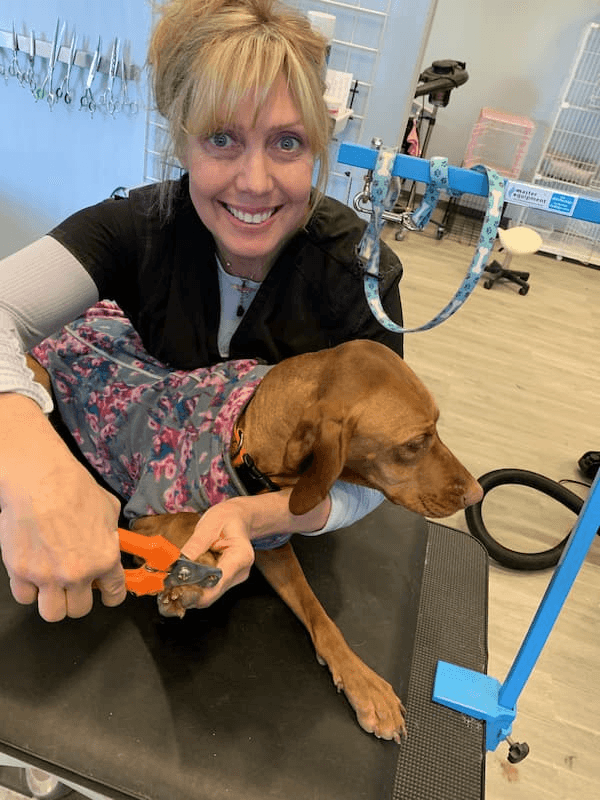
Are you passionate about pooches and looking to turn that love into a fulfilling career? Learning how to become a professional dog groomer is an exciting path, blending artistry with animal care. The demand for skilled dog groomers is consistently high, making it a rewarding profession. Whether you’re looking to start your own business or join an established salon, finding the right dog groomer training near you is the crucial first step. This guide will walk you through what to expect, how to find quality programs, and why investing in proper training is paramount for both your success and the well-being of the dogs you’ll care for.
The Growing Demand for Professional Dog Groomers
The pet industry, and specifically the pet grooming sector, has seen significant growth over the past decade. Pet parents are increasingly viewing their furry companions as family members, leading to higher spending on premium services like professional grooming. This trend translates into a robust job market for those with the skills and knowledge to provide top-notch grooming services. From basic baths and haircuts to specialized breed-specific styles and de-shedding treatments, the role of a dog groomer is diverse and essential for maintaining a dog’s health and appearance.
Why Formal Training Matters
While some individuals might learn the ropes through apprenticeships, formal training offers a structured and comprehensive education. A good dog groomer training program will cover not only the practical skills of handling different breeds and coat types but also crucial aspects like:
- Canine Anatomy and Physiology: Understanding a dog’s body is vital for safe and effective grooming.
- Breed-Specific Standards: Learning the unique grooming requirements for various breeds.
- Tool Proficiency: Mastering the use of clippers, scissors, dryers, and other grooming equipment.
- Safety and Sanitation: Implementing protocols to ensure the safety of both groomer and dog, and maintaining a hygienic environment.
- Basic Health Checks: Recognizing signs of common health issues that may be apparent during grooming.
- Customer Service: Effectively communicating with pet owners and understanding their specific requests.
Enrolling in a certified program provides a solid foundation, builds confidence, and often includes practical experience that employers value.
Key Components of Dog Groomer Training Programs
When researching dog groomer training near you, look for programs that offer a well-rounded curriculum. Here’s what you should expect:
Hands-On Skill Development
This is arguably the most critical part of any grooming program. You’ll spend significant time practicing:
- Bathing and Brushing: Techniques for different coat types, including proper shampoo and conditioner selection.
- Drying: Using various drying methods safely and efficiently.
- Clipping and Scissoring: Learning to use clippers and scissors to achieve desired styles, from simple trims to intricate breed cuts.
- Nail Trimming and Grinding: Safely shortening nails.
- Ear Cleaning: Proper techniques for cleaning and maintaining ear health.
- Anal Gland Expression: A sometimes necessary, though often specialized, skill.
Breed Knowledge and Handling
Dogs come in an incredible array of shapes, sizes, and coat types. A comprehensive program will educate you on:
- Coat Types: Understanding the differences between straight, wavy, curly, double, and wire coats, and how to groom each effectively.
- Breed-Specific Cuts: Learning the traditional and modern grooming styles for popular breeds like Poodles, Schnauzers, Shih Tzus, and Golden Retrievers.
- Temperament and Behavior: Developing skills to safely handle dogs of various temperaments, from the most placid to the most anxious or energetic. This often includes desensitization and positive reinforcement techniques.
Safety, Health, and Sanitation
Your ability to groom safely and recognize potential health issues is paramount. Look for training that emphasizes:
- Tool Safety: How to handle sharp tools like scissors and clippers without causing harm.
- Equipment Maintenance: Keeping tools clean, sharp, and in good working order.
- Recognizing Skin Conditions: Identifying parasites, hot spots, allergies, or other dermatological issues.
- Preventing Injuries: Avoiding cuts, nicks, or stress to the dog during the grooming process.
- Clinic/Salon Hygiene: Maintaining a clean and sanitary environment to prevent the spread of disease.
Business and Career Development
Many programs also offer insights into the business side of professional grooming, which can be invaluable if you aspire to own your own salon or work as a mobile groomer. This may include:
- Client Communication: Building rapport with pet owners, understanding their needs, and managing expectations.
- Pricing Services: Determining fair and competitive rates for your grooming services.
- Business Management: Basic knowledge of marketing, scheduling, and record-keeping.
Finding the Best Dog Groomer Training Near You
Locating a reputable training program requires a bit of research. Here’s how to approach it:
Search Online
Start with a broad search using terms like:
- “dog groomer training programs”
- “professional dog grooming school”
- “canine cosmetology courses”
- “dog grooming certification”
Add your geographical area to narrow down the results, for example, “Dog Groomer Training Near Me” or “dog grooming school [your city/state]”.
Investigate Program Accreditation and Certification
Look for schools that are accredited by recognized professional organizations in the pet care industry. Certification from these bodies lends credibility to the program and assures potential employers that graduates have met rigorous standards. Some well-respected organizations include the National Dog Groomers Association of America (NDGAA) or the International Professional Groomers, Inc. (IPG).
Consider Program Length and Format
Grooming programs vary in length, from intensive short courses lasting a few weeks to more comprehensive programs spanning several months. Some offer full-time, part-time, or even online components, though hands-on practical training is essential and typically requires in-person attendance. Think about what schedule best fits your life.
Look for Hands-On Experience Opportunities
The best programs incorporate significant practical, hands-on experience. This might involve working on a variety of dog breeds under supervision, or even opportunities for externships or apprenticeships at local grooming salons or veterinary clinics. This real-world exposure is invaluable. If you’re considering a program that doesn’t offer extensive hands-on practice, you might look for local dog trainer programs to supplement your skills, as many of the principles of handling and understanding dog behavior overlap.
Read Reviews and Ask for Testimonials
Don’t underestimate the power of reviews. Look for feedback from past students on independent review sites, social media, or the school’s own website. Reach out to alumni if possible to get their honest opinions about the program’s quality, instructors, and job placement assistance.
Visit the Facility
If possible, visit the training facility before enrolling. This allows you to assess the cleanliness of the environment, the quality of the equipment, and the overall atmosphere. It’s also a great opportunity to speak with instructors and current students.
Essential Tools for a Groomer
Once you’ve enrolled in a program, you’ll learn about the essential tools of the trade. While schools often provide them, understanding them is key:
- Grooming Table: A sturdy, adjustable table is essential for working safely at the right height.
- Clippers: Various types of clippers and blades are needed for different coat types and lengths.
- Shears: A selection of straight, curved, and thinning shears for precise cutting.
- Brushes and Combs: Pin brushes, slicker brushes, combs, and dematting tools for different coat needs.
- Dryers: High-velocity dryers and stand dryers are crucial for efficient drying.
- Shampoos and Conditioners: Specialized products for different coat types, skin sensitivities, and de-odorizing.
- Nail Clippers and Grinders: Tools for safely trimming or filing nails.
Many programs will guide you on purchasing your own starter kit. For those looking to enhance their skills even further, exploring resources on dog handler training vests or specific tools can be beneficial, although these are generally more for working professionals than students initially.
Building Your Career After Training
Completing a dog groomer training program is a significant achievement, but it’s just the beginning of your journey. Here are some tips for building a successful career:
- Gain Experience: Work in different salon environments, whether it’s a small independent shop or a large pet store chain. Each offers unique learning opportunities. Consider seeking out a local dog trainer near me as well to gain broader animal handling experience.
- Continuous Learning: The field of dog grooming is always evolving. Attend workshops, seminars, and trade shows to stay updated on new techniques, products, and trends. Consider advanced training or specialization, such as becoming a certified master groomer or focusing on specific breeds.
- Network: Connect with other groomers, veterinarians, and pet professionals. A strong network can provide support, advice, and potential job leads. If you are in a specific region, looking into bay area dog trainer connections or similar local professional groups can be very beneficial.
- Build a Portfolio: Document your work with before-and-after photos of your grooms. This is especially helpful if you plan to work freelance or open your own salon.
- Consider Specialization: As you gain experience, you might find a niche that particularly interests you, such as hand-stripping terriers, creative grooming, or grooming anxious dogs.
For those serious about providing comprehensive care, understanding dog behavior is as important as grooming skills. While professional groomer training focuses on coat and physical care, supplementing your knowledge with insights from board and train dog trainers can offer a more holistic approach to dog well-being. Similarly, learning about various training philosophies might lead you to resources on finding the top dog training near me for advanced canine education.
Conclusion
Embarking on a career as a dog groomer is a rewarding decision for anyone who loves animals. By choosing a quality dog groomer training program near you, you invest in the foundational skills, knowledge, and confidence needed to excel in this dynamic profession. Remember that ongoing education and practical experience are key to becoming a highly sought-after groomer. Your journey into the world of professional dog grooming starts with finding the right training – a path that promises a future filled with wagging tails and happy clients.
Frequently Asked Questions About Dog Groomer Training
Q1: How long does it typically take to complete a dog groomer training program?
A1: Program lengths vary significantly, ranging from a few intensive weeks to several months for more comprehensive courses. Some programs offer part-time options that can extend the duration.
Q2: What are the career prospects after completing a dog grooming course?
A2: Career prospects are strong. Graduates can find employment in pet salons, veterinary clinics, animal shelters, or even start their own mobile grooming businesses. The demand for skilled groomers remains high.
Q3: Is it possible to become a certified dog groomer without formal training?
A3: While some groomers learn through apprenticeships, formal training and certification offer a structured education and are often preferred by employers. Many certification bodies require completion of a recognized program.
Q4: What is the average cost of dog groomer training?
A4: Costs can range from several hundred to several thousand dollars, depending on the program’s length, curriculum, and the school’s reputation. It’s important to research and compare options.
Q5: Do I need prior experience with dogs to enroll in a grooming program?
A5: Prior experience is often helpful but not always required. Most programs teach essential handling skills. However, a genuine love for animals and a willingness to learn are crucial.
