
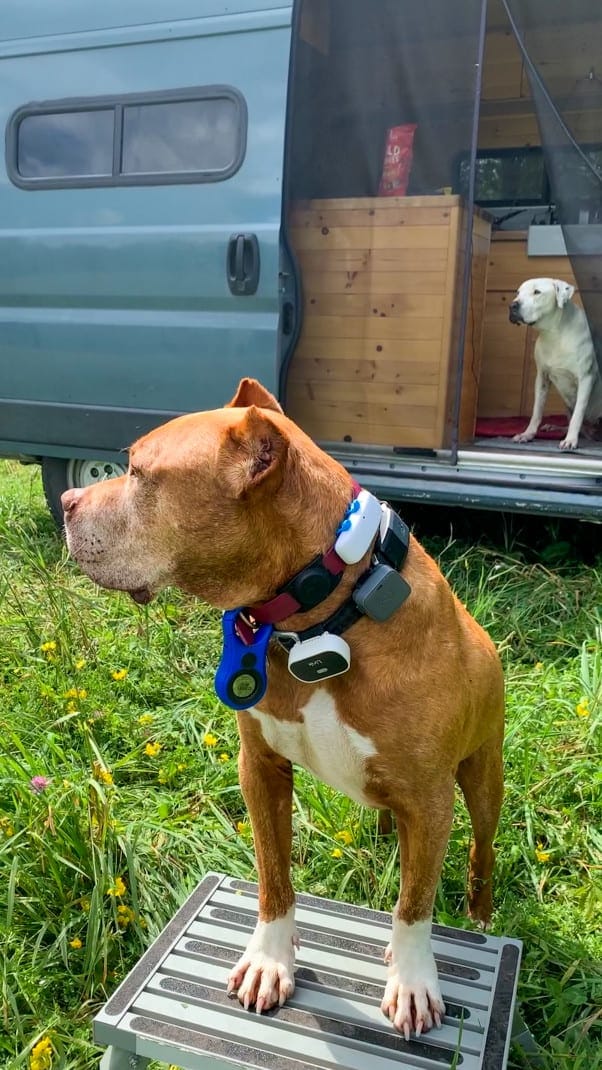
Are you tired of your furry friend wandering off, or struggling to manage their training remotely? Finding the right Dog Gps Training Collar can be a game-changer, offering peace of mind for you and a more controlled, responsive experience for your dog. But with so many options, how do you choose the one that perfectly fits your needs and your dog’s personality?
Understanding the Need for a Dog GPS Training Collar
Before diving into specific features, let’s clarify why a dog remote collar training system is becoming increasingly popular. These devices combine GPS tracking with electronic stimulation (like vibration, tone, or static correction) to help owners locate their dogs and reinforce commands, even at a distance. This is particularly useful for:
- Active Dogs and Adventurous Owners: If you love hiking, camping, or simply have a dog with a strong prey drive, a GPS collar ensures you can always find them, even in vast or unfamiliar territories.
- Training Reinforcement: Beyond just locating your dog, these collars allow for remote command reinforcement. You can issue a ‘come’ command and, if necessary, provide a gentle correction, ensuring your dog learns to obey, no matter the distraction.
- Safety and Security: In emergencies or if your dog gets lost, the GPS function provides real-time location data, significantly increasing the chances of a safe reunion.
Key Features to Look for in a GPS Training Collar
Navigating the market for a dog training collar with GPS can feel overwhelming. Here’s a breakdown of essential features to consider:
1. GPS Tracking Accuracy and Range
This is paramount. Look for collars with high-accuracy GPS, often using multiple satellite systems (GPS, GLONASS, Galileo) for better performance. The range of the GPS signal is also critical; ensure it covers the areas where you typically exercise your dog.
2. Training Modes and Levels of Correction
A good dog gps training collar will offer a variety of training modes, including tone, vibration, and adjustable levels of static stimulation. The ability to customize the correction level is vital. You want a collar that allows for gentle encouragement for minor infractions and stronger, but still humane, corrections for more serious obedience issues. Many experts recommend starting with lower levels and only increasing if necessary. For those concerned about traditional methods, explore options that focus heavily on tone and vibration.
3. Durability and Waterproofing
Your dog’s collar will face the elements – mud, rain, and maybe even a dip in a lake. Opt for a collar that is rugged, built with durable materials, and has a high waterproof rating (IPX7 or higher is ideal). This ensures longevity and consistent performance regardless of the conditions.
4. Battery Life and Charging
Long battery life is essential, especially for extended outings or if you forget to charge it overnight. Consider how long a full charge lasts and how quickly it recharges. Some collars offer fast-charging capabilities, which can be a lifesaver.
5. Collar Fit and Comfort
A properly fitting collar is crucial for both GPS accuracy and training effectiveness. It should be snug enough to maintain contact with the skin but not so tight that it causes discomfort or chafing. Adjustable straps and lightweight designs contribute to your dog’s comfort.
6. User-Friendly Interface (App or Remote)
Most modern best dog gps training collar options come with a smartphone app or a dedicated remote. The interface should be intuitive and easy to use, allowing you to quickly track your dog, issue commands, and adjust settings on the go.
Top Picks for Dog GPS Training Collars
While the “best” collar is subjective and depends on individual needs, here are some highly-regarded options that consistently receive positive reviews for their combination of GPS tracking and training capabilities:
1. [Brand Name A] GPS+Training Collar
This model is frequently cited for its exceptional GPS accuracy and a wide range of adjustable training levels. The accompanying app is user-friendly, providing detailed location history and geofencing alerts. Its robust construction makes it suitable for even the most active dogs. The company often emphasizes safe training dogs with shock collar technology, ensuring humane application.
2. [Brand Name B] Remote E-Collar with GPS
Known for its long battery life and reliable performance, this collar is a favorite among professional trainers. It offers distinct tone and vibration modes, alongside customizable static correction. The GPS tracking is precise, and the remote unit is ergonomic for easy handling during training sessions.
3. [Brand Name C] All-in-One GPS & Training System
This system stands out with its advanced features, including real-time tracking, an integrated e-collar, and even activity monitoring to ensure your dog is getting enough exercise. The geofencing feature is particularly strong, allowing you to set custom safe zones and receive immediate notifications if your dog leaves them.
How to Introduce a GPS Training Collar to Your Dog
Introducing any new equipment to your dog requires patience and positive reinforcement. Here’s how to make the transition smooth:
- Positive Association: Let your dog investigate the collar. Associate it with positive experiences like treats, praise, and playtime.
- Short Wear Times: Start by having your dog wear the collar for short periods while you are present and supervising. Gradually increase the duration.
- Introduce GPS First: Ensure your dog is comfortable with the collar itself before activating any training functions.
- Begin with Tone/Vibration: When you start training, use the tone or vibration modes first. Pair these cues with a verbal command and a treat when your dog responds correctly. This helps them understand the signal means “pay attention to me.”
- Gradual Introduction of Static Correction: If static correction is necessary, start at the lowest possible setting. Apply it only when your dog is actively disobeying a command they know, and immediately follow with a verbal command and a reward when they comply. The goal is to associate the correction with the disobedience, not with you.
- Consistency is Key: Use the collar consistently during training sessions. This reinforces the commands and the association with the signals.
Remember, the dog remote collar training is a tool to assist in training, not replace it. Consistent, positive training methods combined with the remote capabilities of a GPS collar will yield the best results.
Safety and Ethical Considerations
When using any form of e-collar, especially training dogs with shock collar technology, ethical considerations are paramount. Always prioritize your dog’s well-being.
- Consult Professionals: If you are new to e-collar training, seek guidance from certified professional dog trainers who are experienced with these devices. They can help you select the right collar and use it correctly and humanely.
- Understand Your Dog’s Limits: Every dog is an individual. Pay close attention to your dog’s body language to ensure they are not becoming overly stressed, anxious, or fearful.
- Focus on Positive Reinforcement: While a GPS training collar can provide corrections, it should be part of a broader positive reinforcement training plan. Rewards for good behavior are just as, if not more, important.
- Check Local Regulations: In some areas, there may be regulations regarding the use of electronic collars. Always be aware of and comply with local laws.
Frequently Asked Questions about Dog GPS Training Collars
Q1: How accurate is the GPS tracking on these collars?
A1: Accuracy can vary by model and environmental factors like dense tree cover or urban canyons. However, most reputable dog training collar with GPS devices offer reliable tracking within a reasonable range, often with several meters of accuracy.
Q2: Can I use a GPS training collar on a puppy?
A2: It’s generally recommended to wait until a puppy is at least 6 months old and has completed basic obedience training before introducing an e-collar. Their physical and emotional development is still ongoing, and simpler training methods are often more effective initially. Always use the lowest correction levels.
Q3: Is static correction humane?
A3: When used correctly and humanely by experienced owners or trainers, static correction can be an effective training tool. It’s crucial to use the lowest effective level and to ensure the dog understands the command it’s meant to correct. Many modern collars offer vibration and tone as alternatives or primary correction methods.
Q4: How often should I charge the collar?
A4: This depends on the collar’s battery life and how often you use the GPS and training functions. Some need charging daily, while others can last several days or even weeks on a single charge. Check the manufacturer’s specifications.
Q5: What is geofencing?
A5: Geofencing allows you to set up virtual boundaries on a map. If your dog’s collar crosses these boundaries, you’ll receive an alert on your smartphone. This is an excellent safety feature for keeping your dog within a designated area.
Conclusion: Empowering Your Dog Ownership Journey
A dog gps training collar is more than just a gadget; it’s a tool that can significantly enhance safety, improve training outcomes, and deepen the bond between you and your canine companion. By understanding the key features, choosing a reputable brand, and introducing the collar with patience and positivity, you can unlock a new level of freedom and control in your dog ownership journey. Whether you’re tackling complex training challenges or simply seeking peace of mind on your outdoor adventures, the right best dog gps training collar is an investment in your dog’s well-being and your shared experiences.
