
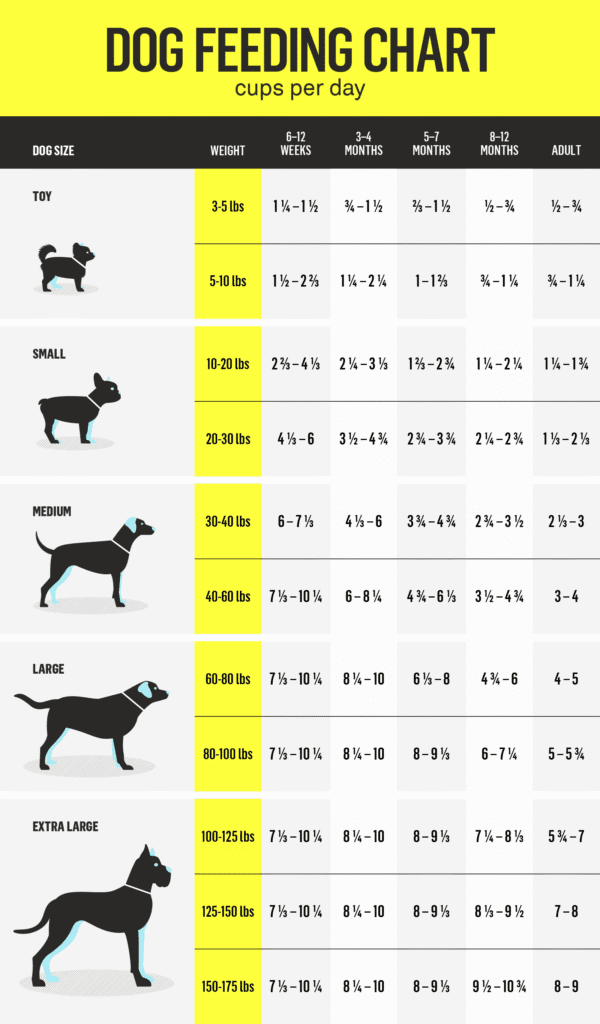
It’s common to hear about overweight pets, but many dogs struggle to maintain a healthy weight. Whether due to illness or other factors, some dogs need to gain weight. For a healthy dog, increasing the amount of their current food might be sufficient, especially if they’re not picky eaters and only need to gain a small amount. However, helping a dog gain weight can sometimes be more complex, requiring specific dietary considerations. This guide explores the characteristics of effective dog foods for weight gain and provides tips to help your canine companion safely reach a healthy weight.
Key Characteristics of Dog Food for Weight Gain
A quality dog food designed for weight gain should be appealing, nutritious, and digestible. Here’s a breakdown of what makes a food suitable for this purpose:
Palatability
Dogs are more likely to eat food that tastes good. Wet foods are often more palatable than dry kibble, as are diets richer in fat and protein. While homemade diets can be highly palatable, it’s crucial to consult with a veterinary nutritionist to ensure they are nutritionally complete and balanced.
Digestibility
Digestibility measures how much of a food’s nutrients a dog can actually absorb and utilize, versus what is eliminated. Highly digestible foods mean a dog can gain nutritional benefits without needing to consume large quantities. While digestibility isn’t directly stated on labels, foods with high fiber content are generally less digestible. A good indicator of a food’s digestibility can be observed in a dog’s stool: well-formed, firm, and low-volume stools suggest good digestion, whereas loose, voluminous stools may indicate otherwise.
Caloric Density
Calorically dense dog foods provide a high amount of energy (calories) in a small serving size. This is beneficial because your dog doesn’t need to eat a lot to meet their caloric needs. Nutritional labels often provide caloric density in terms of kcal/cup, kcal/can, or kcal/kg. Foods high in fat tend to be more calorically dense, as fat provides more calories per gram than protein or carbohydrates. Higher protein levels are also beneficial for supporting lean body mass.
Recommended Dog Foods for Weight Gain
Several types of dog food meet the criteria for palatability, digestibility, and nutrient density, making them excellent choices for weight gain:
Therapeutic Diets
In severe cases, veterinarians may prescribe critical care or recovery foods. Examples include Hill’s Prescription Diet a/d Urgent Care canned dog and cat food, Purina Pro Plan Veterinary Diets CN Critical Nutrition Formula canned dog and cat food, and Royal Canin Veterinary Diet Recovery RS canned dog and cat food. These highly palatable diets are formulated to help dogs maintain energy levels during recovery from illness, surgery, or injury, encouraging them to eat even when feeling unwell.
Puppy or All Life Stages Foods
Many puppy foods and foods labeled for “all life stages” that meet Association for American Feed Control Officials (AAFCO) standards for puppies are typically higher in protein and fat than adult formulas. Look for high-quality options like Wellness Complete Health Just for Puppy canned dog food, Merrick grain-free lamb and sweet potato recipe dry dog food, and Adirondack 30% high-fat puppy and performance recipe dry dog food. It’s advisable to avoid large-breed puppy foods, as they generally have lower fat content compared to general puppy formulas.
Performance Diets
Highly active dogs often require performance diets rich in protein and fat to maintain their body condition. These diets are suitable for healthy dogs needing to gain weight or requiring a more calorically dense food to support an active lifestyle. Purina Pro Plan Sport All Life Stages performance 30/20 formula dry dog food offers a minimum of 30% protein and 20% fat, while Dr. Tim’s Highly Athletic Momentum formula dry dog food provides 35% protein and 25% fat.
Tips for Helping Your Dog Gain Weight Safely
Consult your veterinarian if you have any concerns about your dog’s health or to confirm the need for weight gain. They can offer personalized recommendations and help develop a safe weight gain program. Here are some practical tips:
- Gradual Food Transition: When introducing a new food, especially those high in fat, transition gradually to avoid digestive upset or pancreatitis, a serious condition sometimes linked to fatty meals. A slow transition allows your dog’s digestive system to adjust.
- Balancing Dry and Wet Food: While wet foods are often more palatable, dry foods are typically more calorically dense. Consider the benefits of each, or try mixing a small amount of palatable wet food with calorically dense dry food to offer the best of both worlds.
- Multiple Small Meals: Feeding several small meals throughout the day is often more effective for encouraging appetite than one or two large meals. An alternative is to leave dry food accessible all day, though this can make it harder to monitor your dog’s intake.
By working closely with your veterinarian and choosing the right food, you can help your dog achieve and maintain a healthy weight.
