
Maintaining your dog’s oral health is a crucial aspect of their overall well-being, often overlooked amidst concerns about their skin, coat, ears, and energy levels. When dental problems arise, such as tooth loss, it can be a distressing experience for any pet owner. This guide will address the common causes of bad teeth in dogs and provide practical advice on what to feed a dog with missing or compromised teeth, ensuring they can eat comfortably and maintain good nutrition.
Understanding the Causes of Bad Teeth in Dogs
While puppies naturally lose their milk teeth and grow adult ones, tooth loss or damage later in life can be a sign of underlying issues. Periodontal disease, a common condition in dogs over the age of four, is a significant contributor to tooth loss. Several factors can lead to poor dental health in dogs, including:
- Lack of Dental Hygiene: Just like in humans, insufficient cleaning allows plaque and tartar to build up, leading to gum disease and tooth decay.
- Injury: Trauma to the face or mouth, such as from an accident or fight, can result in broken or lost teeth.
- Age: As dogs age, their teeth can weaken, becoming more susceptible to damage and loss, similar to humans.
- Breed Predisposition: Certain breeds are genetically more prone to dental problems. These include Spaniel breeds, small dogs like Chihuahuas, and brachycephalic (flat-faced) breeds such as Shih Tzus and French Bulldogs.
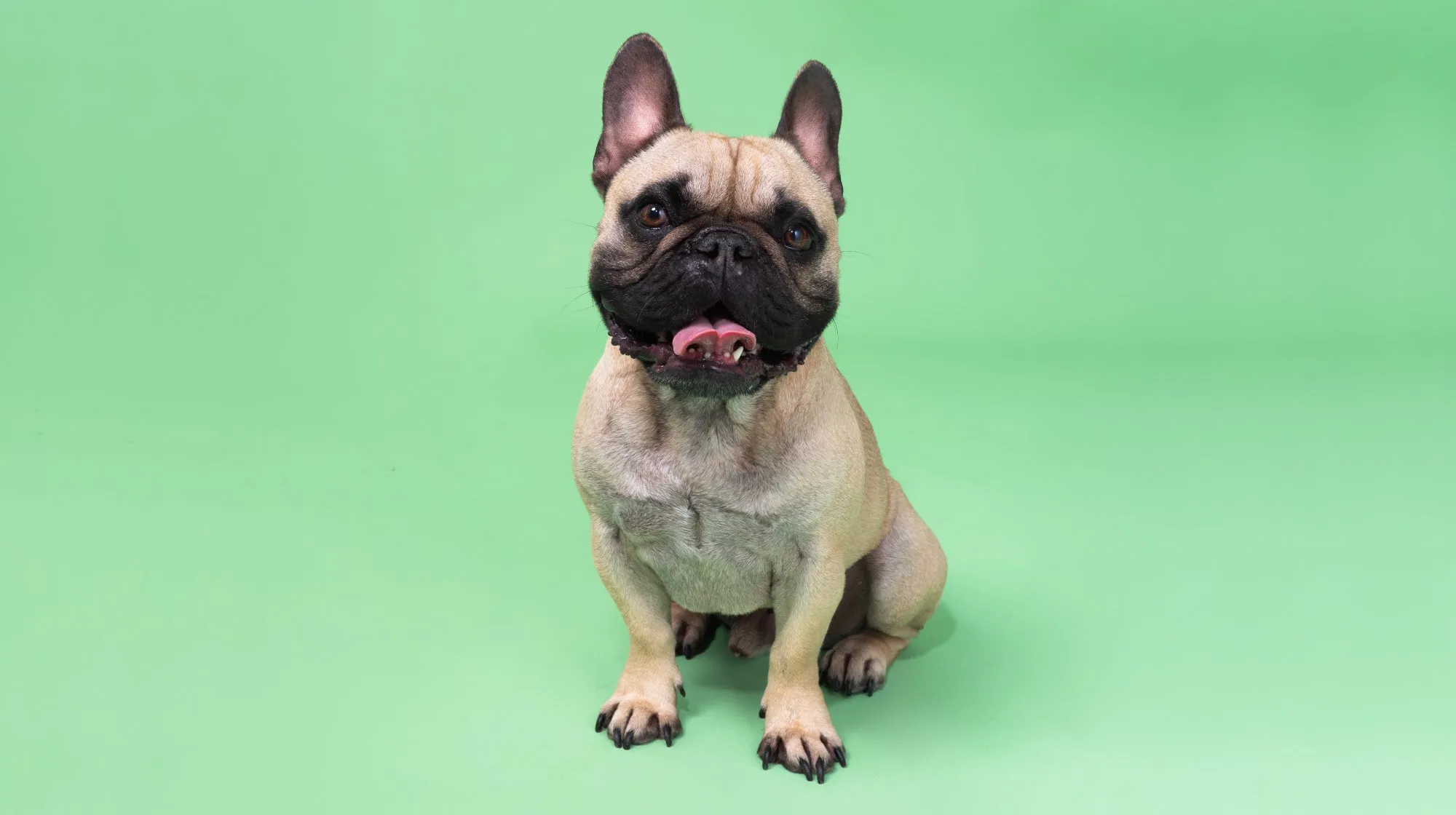 A French Bulldog sits on a green background, looking alert.
What to Feed a Dog with Bad, Missing, or No Teeth
Despite dental challenges, a dog’s appetite is often remarkably resilient. With a few adjustments to their diet, you can ensure your dog continues to enjoy their meals comfortably.
Wet Dog Food
For dogs accustomed to dry kibble, transitioning to wet dog food can be beneficial. Wet food has a softer texture, making it easier to chew. Its stronger aroma and flavor can also entice dogs with reduced appetites to eat more readily. You can explore various wet dog food options to find one that suits your dog’s preferences.
Pureed Wet Food
If regular wet food is still too challenging, you can further soften it by mashing it thoroughly with a fork or processing it in a blender. This creates a smooth, easily digestible consistency.
Pureed Home-Cooked Food
If you supplement your dog’s diet with home-cooked items like chicken, sweet potato, or vegetables, ensure they are boiled until very soft and then pureed before serving.
Crushed Dry Dog Food
If you prefer to stick with dry food due to its nutritional density, cost-effectiveness, or convenience, you can make it more manageable by crushing the kibble. Place the kibble in a sealed bag and gently bash it with a rolling pin or meat hammer, or use a blender to break it down into smaller pieces.
Softened Dry Dog Food
Another method to soften dry kibble is by adding a small amount of hot (not boiling) water or unsalted chicken broth. This process will make the kibble pieces softer and more palatable, releasing more of their natural flavors and aromas.
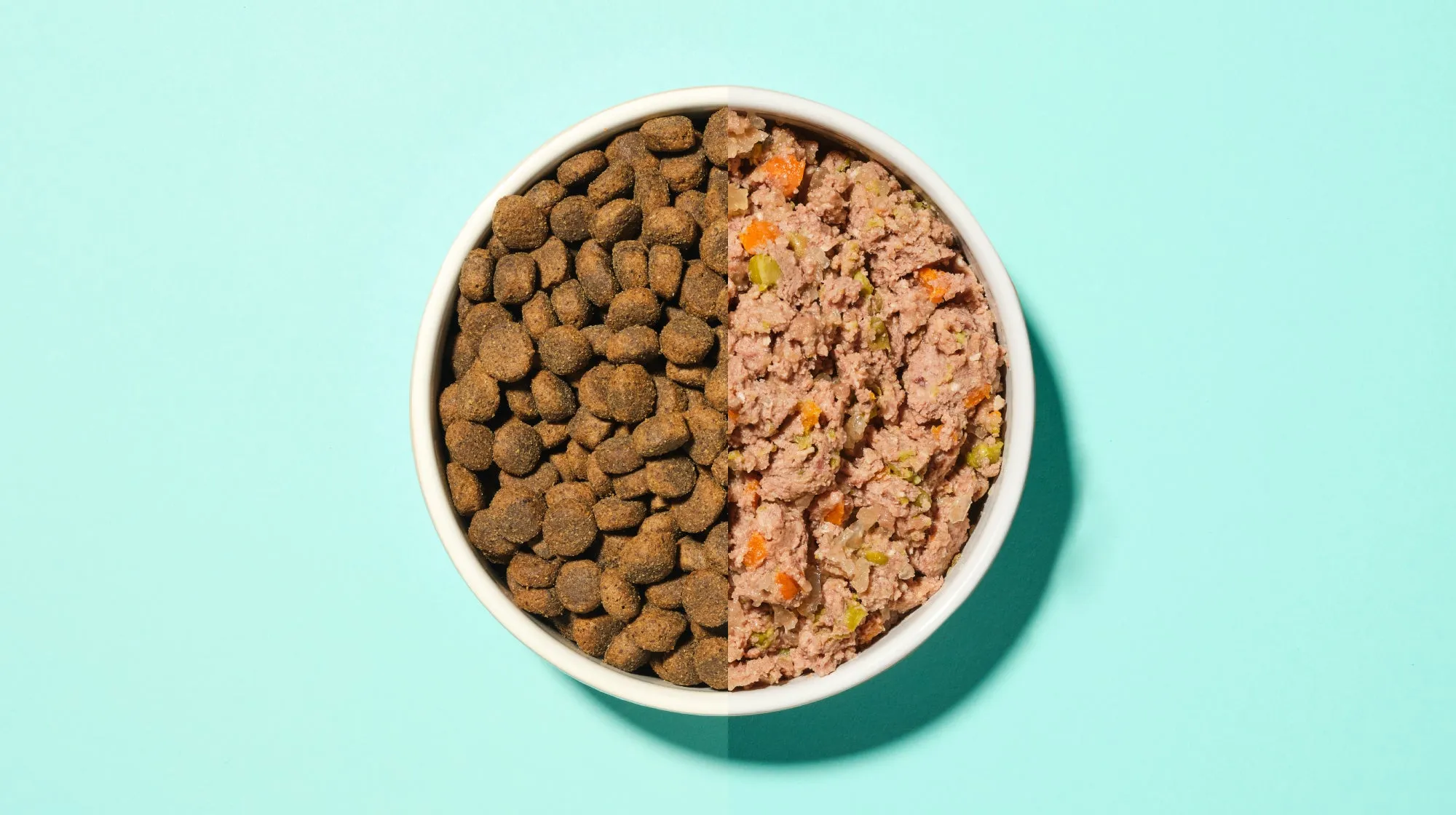 A dog bowl containing a mix of wet and dry dog food, set against a blue background.
Adding a Topper
To further entice your dog to eat, especially if they are hesitant about their modified dry food, consider adding a tasty topper. Options include a drizzle of dog-specific flavored yogurt or a small amount of low-sodium gravy, ensuring it contains no harmful ingredients like onions or excessive fat.
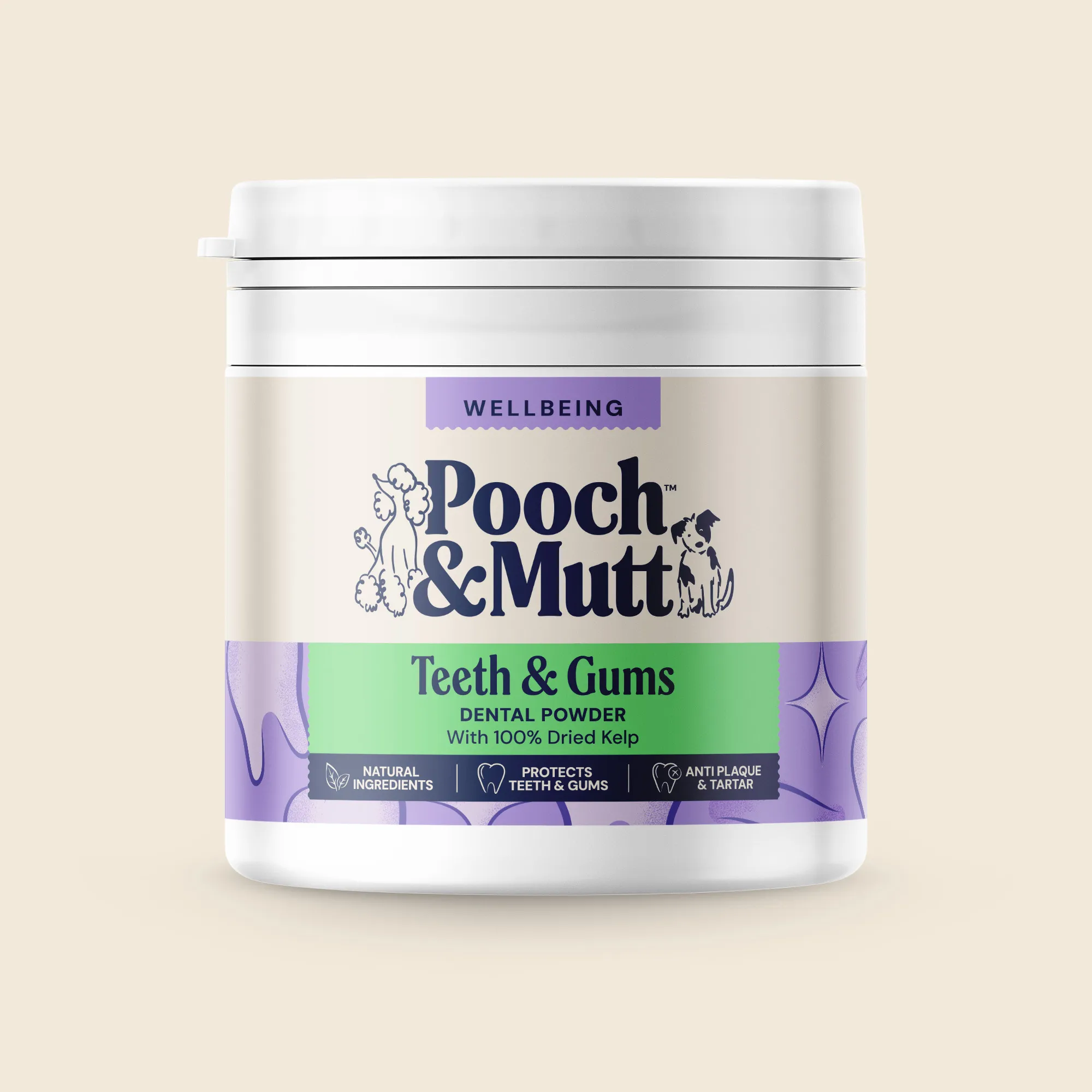 A product image of dental powder for dogs.
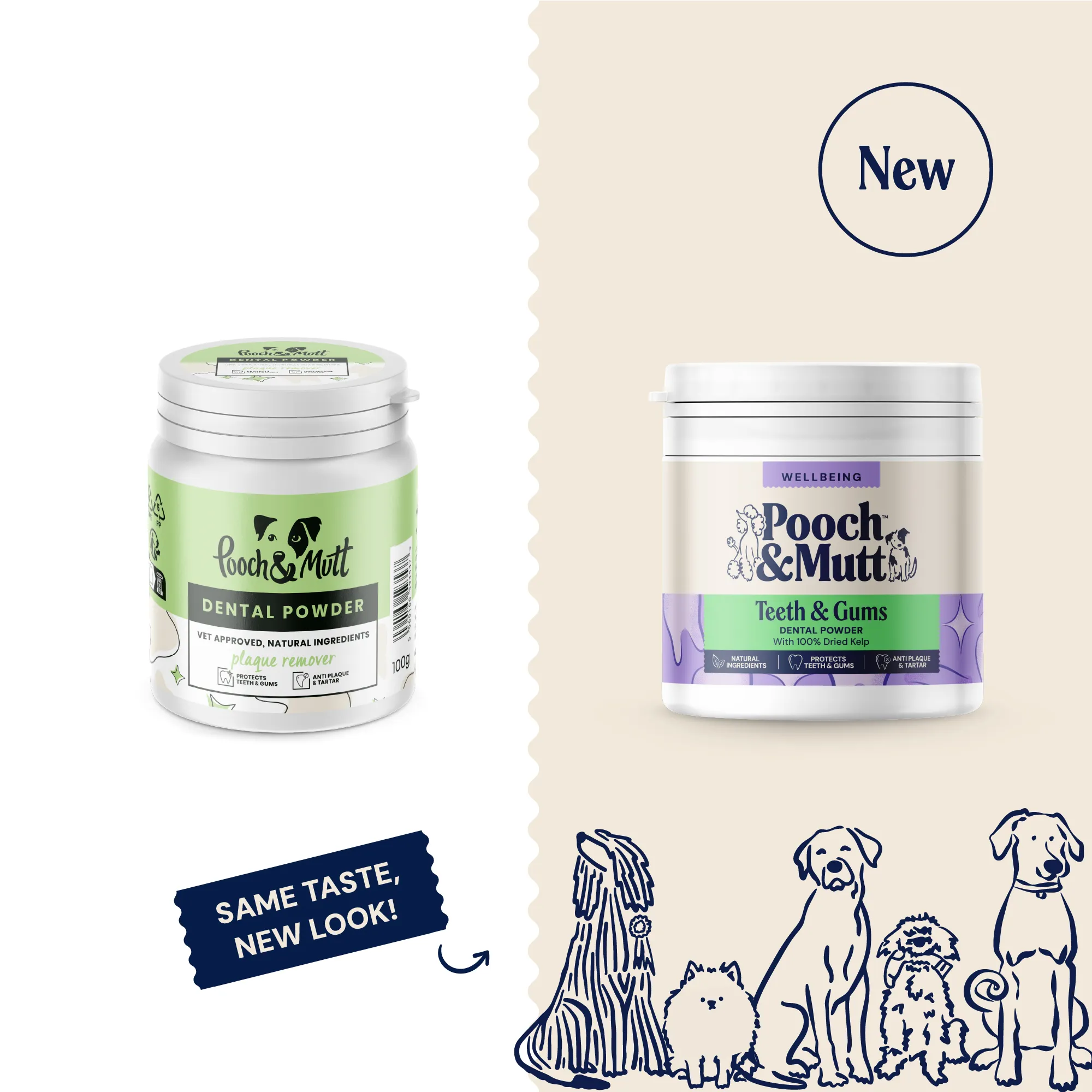 Product images showcasing dog dental care supplements.
A complementary dental powder, such as Dental Powder For Dogs, made from 100% Dried Sea Kelp, can also contribute to cleaning teeth, maintaining healthy gums, and freshening breath. This is a puppy-friendly option that protects teeth and gums.
Is Wet Dog Food Bad for Dogs’ Teeth?
Contrary to some beliefs, wet dog food is not inherently bad for dogs’ teeth. The key is consistent dental hygiene, including regular brushing and the use of dental chew treats. While some evidence suggests that dogs on a dry food diet may have healthier teeth due to the mechanical abrasion of kibble, this is not a definitive replacement for proper dental care.
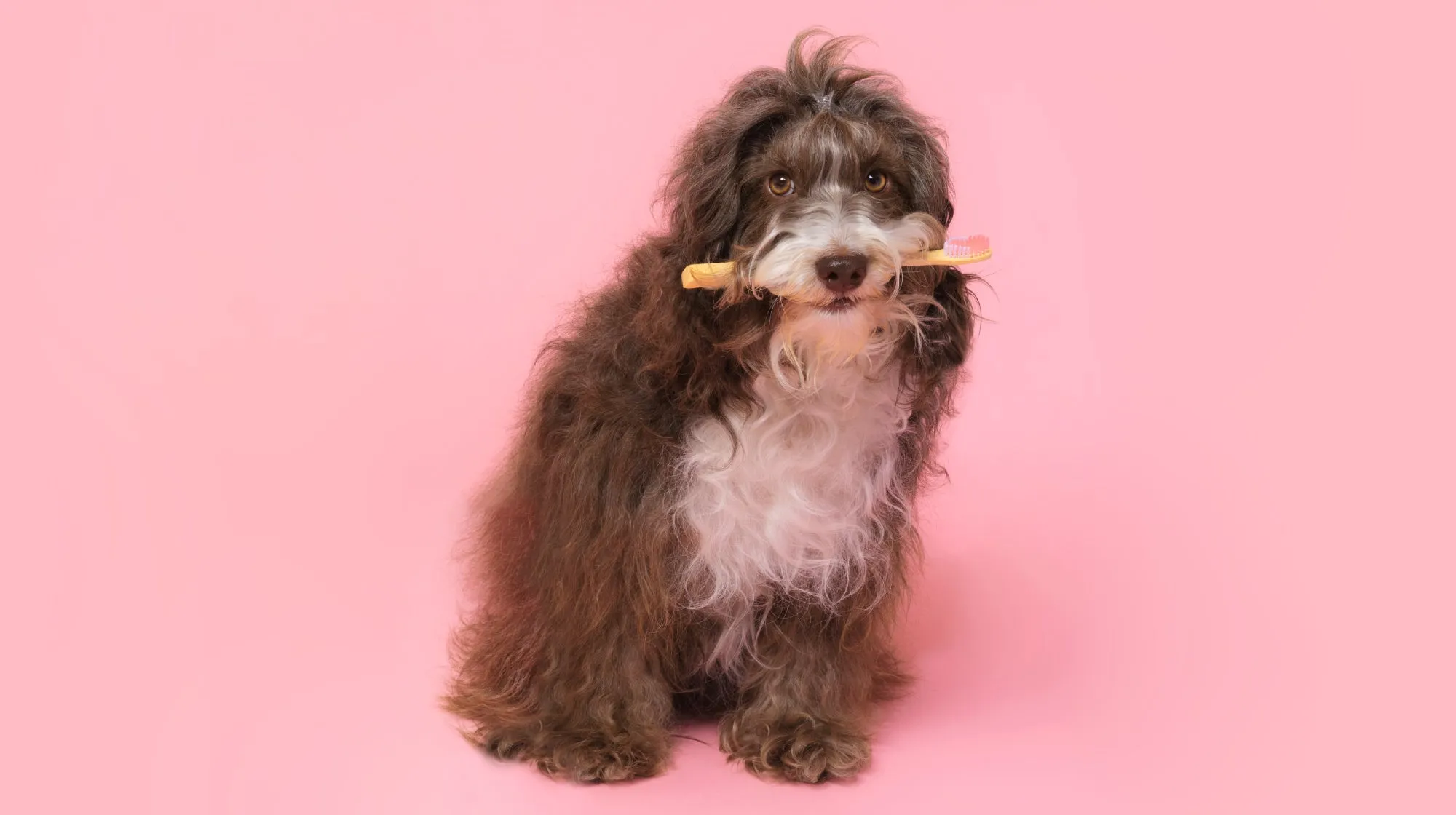 A shaggy dog is depicted holding a toothbrush in its mouth.
Maintaining Oral Hygiene for Dogs with Dental Issues
Even with compromised dental health, it’s essential to care for your dog’s gums, mouth, and remaining teeth to prevent further deterioration and ensure comfort.
Brushing Your Dog’s Teeth
Despite potential resistance from your dog, daily brushing with a canine-specific toothbrush and toothpaste is the most effective method for maintaining oral hygiene. This practice helps prevent plaque buildup, reduces the risk of gum disease, and combats bad breath. With consistent practice, most dogs become accustomed to the routine.
Dog Dental Sticks
Dental sticks offer a convenient way to promote oral health. As your dog chews, these sticks release ingredients that contribute to cleanliness and fresh breath, while simultaneously scrubbing away plaque and tartar. Explore a range of dental sticks for dogs, perhaps with added benefits like mint and spirulina.
Dog Chews and Toys
Chewing is a natural behavior that benefits dental health by strengthening teeth. Provide your dog with safe and appropriate chew toys or occasional dental chews to encourage this beneficial activity.
Frequently Asked Questions About Dog Dental Health
How many teeth do dogs need to eat?
Adult dogs typically have 42 teeth, while puppies have 28. Losing a tooth may not significantly impact eating habits, but it’s crucial to consult a veterinarian if you notice excessive tooth loss. Canine teeth are essential for gripping and tearing food, so their loss can alter chewing behavior. Generally, dogs can adapt to eating with missing or even no teeth, provided their diet is adjusted accordingly.
Do dogs need all their teeth?
While a full set of 42 teeth is ideal, dogs can function without one or two missing teeth. However, significant tooth loss can lead to difficulties with eating and may even affect the structure of their mouth. In severe cases, a pureed diet is recommended for easier consumption.
Is it normal for senior dogs to lose teeth?
Dental issues can affect senior dogs, but not all elderly dogs will lose their teeth. If your senior dog is losing teeth without any apparent injury, it could indicate periodontal disease. It’s advisable to switch to an easily digestible food for senior dogs and consult your veterinarian for proper diagnosis and a plan to ensure your dog remains comfortable and pain-free.
