
Navigating the vast world of Dog Food can feel overwhelming for even the most dedicated pet parent. With countless brands, formulations, and ingredients promising optimal health, making the right choice for your furry friend is a significant decision. This guide aims to demystify dog nutrition, helping you understand what truly constitutes high-quality dog food and how to select a diet that ensures your dog thrives, covering everything from essential nutrients to specialized dietary needs. A healthy diet is the cornerstone of a happy and energetic life for your dog, directly impacting their energy levels, coat health, and overall longevity.
Understanding Your Dog’s Unique Nutritional Needs
Every dog is an individual, and their nutritional requirements can vary significantly based on several factors. Understanding these foundational elements is the first step in choosing appropriate dog food.
Essential Nutrients for Canine Health
A balanced dog food formula provides a complete spectrum of nutrients necessary for your dog’s well-being. These include:
- Proteins: The building blocks of muscles, skin, and hair. High-quality animal proteins like chicken, beef, salmon, and turkey are crucial.
- Fats: Concentrated sources of energy and essential fatty acids for healthy skin, coat, and organ function. Omega-3 and Omega-6 fatty acids are particularly important.
- Carbohydrates: Provide energy, fiber for digestion, and can come from sources like sweet potatoes, brown rice, and other vegetables.
- Vitamins and Minerals: Vital for immune function, bone health, nerve function, and metabolic processes. These are often found in antioxidant-rich fruits and vegetables.
For dog owners seeking to understand the quality of different products, reviewing options like [black gold explorer dog food reviews](https://dogcarestory.com/black-gold-explorer-dog-food-reviews/) can provide insights into ingredient lists and nutritional profiles.
Life Stage Considerations
A puppy’s nutritional needs are vastly different from those of a senior dog. Tailoring the dog food to your dog’s life stage is paramount:
- Puppy Food: Young, growing puppies require higher levels of protein, fat, and specific vitamins and minerals to support rapid growth and development. For instance, recipes such as Vital® puppy formulas often include chicken, beef, and salmon for lean protein, along with sweet potatoes and spinach for essential vitamins.
- Adult Dog Food: Once growth is complete, an adult dog needs a maintenance diet that provides sufficient energy without promoting excessive weight gain.
- Senior Dog Food: Older dogs may benefit from formulas with fewer calories, increased fiber, and ingredients supporting joint health and cognitive function, like the Vital® healthy aging recipe with cranberries, sweet potatoes, and carrots.
Decoding Dog Food Labels and Ingredients
Understanding a dog food label is key to making an informed decision. Look beyond marketing claims to the ingredient list itself.
Key Ingredients to Look For
Prioritize foods where real meat (e.g., chicken, beef, turkey, salmon, bison, lamb) is listed as the first ingredient. These are excellent sources of protein. Other beneficial ingredients include:
- Wholesome Grains: For dogs without sensitivities, ingredients like brown rice provide fiber and energy.
- Healthy Fats: Sources like salmon oil or chicken fat provide essential fatty acids.
- Antioxidant-Rich Fruits & Vegetables: Spinach, cranberries, blueberries, carrots, and pumpkin offer vitamins, minerals, and dietary fiber.
For an example of a product focusing on quality ingredients, consider the [purina one true instinct dog food reviews](https://dogcarestory.com/purina-one-true-instinct-dog-food-reviews/) which often highlight natural protein sources.
The Grain-Free Debate
Grain-free dog food has gained popularity, often marketed as a more natural option. While beneficial for dogs with grain sensitivities or allergies, it’s not universally necessary. Many high-quality grain-free recipes utilize alternative carbohydrate sources like lentils or sweet potatoes. For instance, Vital® offers several grain-free options, such as their beef & bison recipe with spinach, cranberries, and blueberries, catering to various dietary preferences.
Tailoring Dog Food to Specific Health Requirements
Beyond life stage, many dogs have specific health concerns that can be addressed through their diet. Specialized dog food formulas are designed to support these needs.
Digestive Health
Dogs with sensitive stomachs or digestive issues can benefit from easily digestible ingredients. Pumpkin, a common ingredient in digestive health formulas, is known for its fiber content which supports gut regularity. Look for recipes specifically formulated for digestive health, often containing prebiotics and probiotics. A good example is the Vital® digestive health chicken recipe with egg & pumpkin.
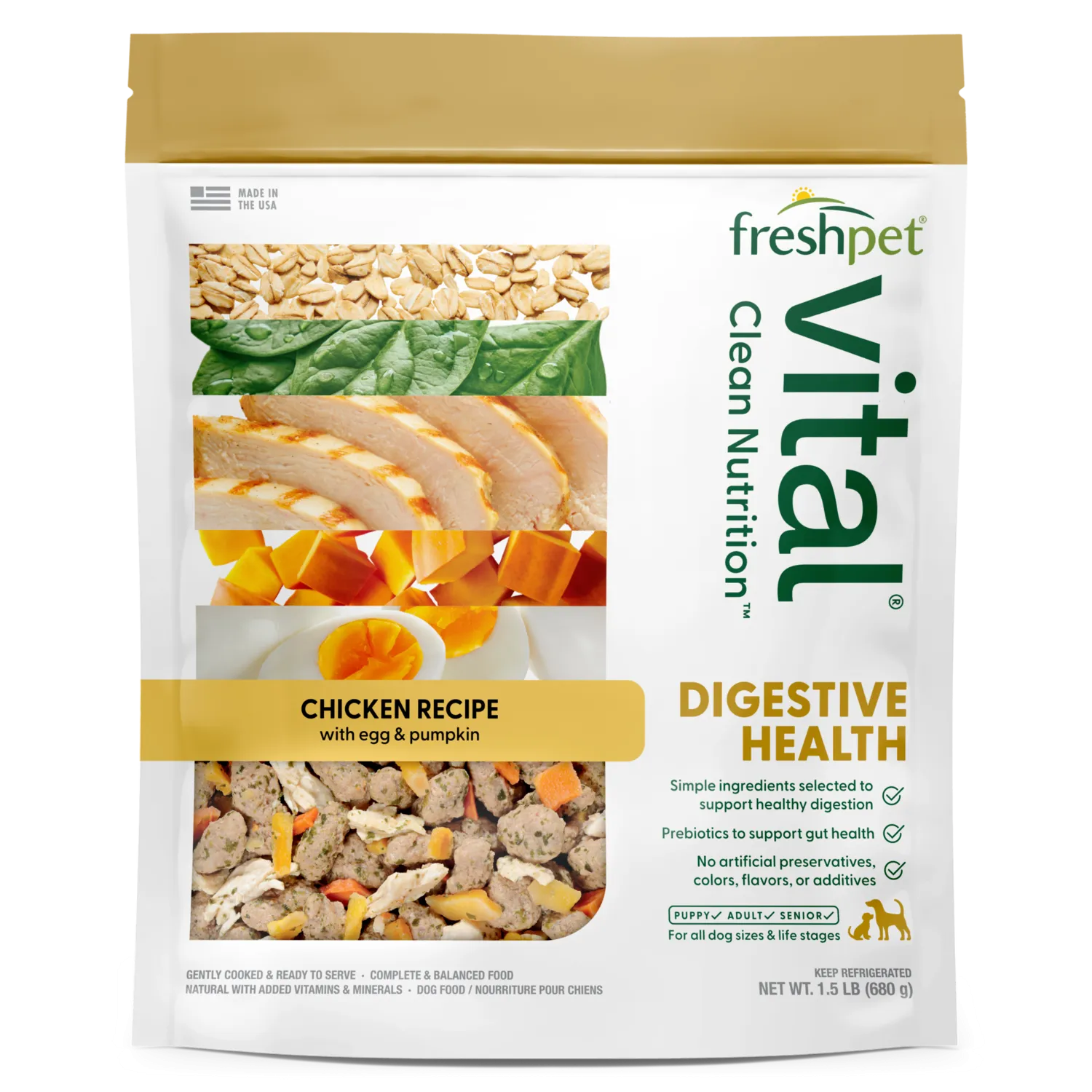 Specialized dog food for digestive health, featuring chicken, egg, and pumpkin to support gut wellness.
Joint & Mobility Support
For larger breeds, active dogs, or senior pets, maintaining joint health is crucial. Ingredients like salmon (rich in Omega-3s) and green beans contribute to anti-inflammatory benefits and overall joint wellness. Recipes like Vital® joint & mobility health chicken & salmon recipe with cranberries & green beans are specifically crafted to support healthy joints. When researching options, [horizon pulsar dog food reviews](https://dogcarestory.com/horizon-pulsar-dog-food-reviews/) might offer insights into products with similar joint-supporting claims.
Healthy Aging
As dogs age, their metabolism slows, and they may experience a decline in muscle mass and cognitive function. A healthy aging formula for dog food typically features fewer calories, easily digestible proteins, and ingredients that boost immunity and brain health, such as antioxidants found in cranberries and sweet potatoes.
Specialized Dog Food for Breed Sizes
The size of your dog also plays a role in their dietary needs, largely due to differences in metabolism, jaw size, and growth rates.
Small Breed Dog Food
Small breed dogs have faster metabolisms and smaller mouths, requiring calorie-dense kibble with smaller piece sizes. Their food should provide ample energy without overloading their small stomachs. Vital® offers specific small breed recipes, like chicken with carrots, sweet potatoes, & cranberries, ensuring appropriate nutrient density and kibble size.
Large Breed Dog Food
Large breed puppies need carefully controlled growth to prevent orthopedic issues, while adult large breeds require dog food that supports their heavier frames and joint health. Their kibble is usually larger to encourage proper chewing. The Vital® large breed chicken, beef, egg & salmon recipe with pumpkin & spinach is an example of a formula designed to meet the robust needs of bigger dogs. Comparing [retriever mini chunk dog food reviews](https://dogcarestory.com/retriever-mini-chunk-dog-food-reviews/) with large breed formulas can highlight the differences in nutritional emphasis and kibble size.
The Freshness Factor: Why Quality Matters
The philosophy of “clean nutrition” and “simple ingredients with proven health benefits” emphasizes transparency and the nutritional value of real, wholesome food. When selecting dog food, consider brands that prioritize minimal processing and high-quality, recognizable ingredients.
Benefits of “Clean Nutrition” and “Simple Ingredients”
Clean nutrition means choosing dog food free from artificial colors, flavors, and preservatives, focusing instead on natural ingredients that dogs can easily digest and utilize. Simple ingredient lists often mean fewer potential allergens and a clearer understanding of what your dog is consuming. This approach aims to maximize nutrient absorption and minimize exposure to unnecessary additives.
“From Fridge to Bowl” Philosophy
The concept of “from fridge to bowl” suggests a commitment to freshness and quality that extends beyond just the ingredient list to how the food is prepared and preserved. This often points towards foods that are less processed, offering a closer-to-nature diet that retains more of its inherent nutritional value. This fresh approach is essential for dogs to get the most from their meals, promoting vibrancy and long-term health. For a perspective on commercial dog food, [top breed puppy dog food review](https://dogcarestory.com/top-breed-puppy-dog-food-review/) articles can offer comparisons on how different brands approach ingredient quality and freshness for young dogs.
Conclusion
Choosing the right dog food is one of the most important decisions you’ll make for your pet’s health and happiness. By understanding their unique needs based on age, size, and specific health concerns, and by carefully analyzing ingredient labels, you can confidently select a diet that provides optimal nutrition. Always prioritize high-quality, clean ingredients and consider specialized formulas when necessary. When in doubt, consulting with your veterinarian or a certified canine nutritionist can provide personalized recommendations tailored to your dog’s individual health profile. A well-fed dog is a happy and healthy dog, ready to share many years of companionship with you.
References
- American College of Veterinary Nutrition (ACVN). (General guidelines on canine nutrition and dietary needs).
- The Association of American Feed Control Officials (AAFCO). (Information on pet food labeling and nutritional adequacy standards).
- Veterinary medical publications and university extension resources on pet health and nutrition.
