
Red eyes and unusual eye discharge in dogs are concerning signs that often point to conjunctivitis, an inflammation or infection of the conjunctiva. While common, this condition requires veterinary attention for proper diagnosis and treatment to prevent complications and preserve your dog’s vision.
What is Conjunctivitis in Dogs?
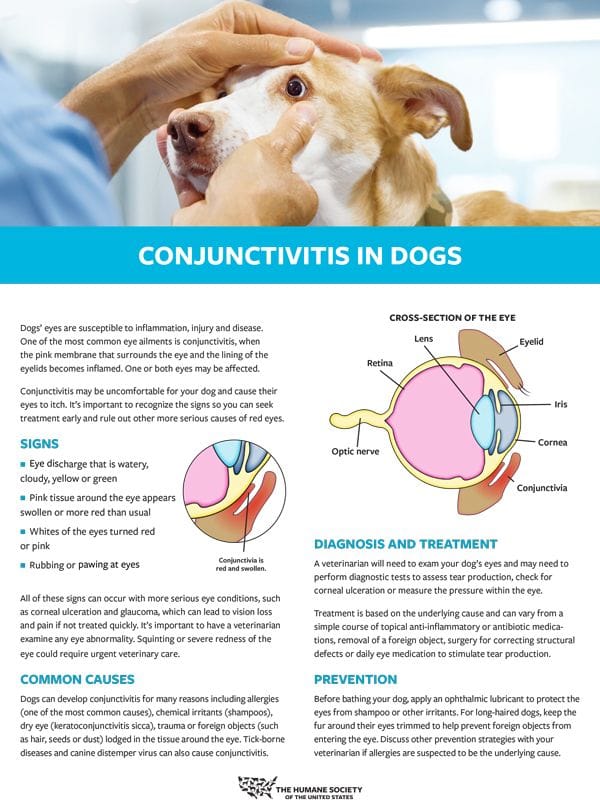
Conjunctivitis refers to the inflammation of the conjunctiva, the delicate pink membrane lining the inner eyelids and covering the white part of the eyeball. This protective layer plays a crucial role in lubricating the eye and providing essential nutrients. When the conjunctiva becomes inflamed, it can lead to a variety of symptoms that warrant a visit to the veterinarian. While not always a medical emergency, untreated conjunctivitis can escalate, potentially impacting your dog’s eyesight. If your dog exhibits signs of discomfort, pain, vision difficulties, or persistent eye symptoms, immediate veterinary consultation is advised.
Key Takeaways
- Conjunctivitis is a prevalent condition in dogs, stemming from infections, allergies, injuries, or underlying health issues.
- Symptoms commonly include red eyes, discharge, squinting, and swelling. Treatment is tailored to the specific cause.
- With prompt veterinary care, most cases resolve within a week to ten days. However, chronic conditions may lead to recurring flare-ups necessitating ongoing management.
Symptoms of Conjunctivitis in Dogs
Recognizing the signs of conjunctivitis is crucial for prompt intervention. Common symptoms include:
- Squinting or holding the eye partially closed
- Redness of the whites of the eyes
- Watery, thick, or pus-like eye discharge
- Excessive pawing or rubbing at the eye
- Visible swelling around the eye
- Increased sensitivity to light
Causes of Conjunctivitis in Dogs
The inflammation of the conjunctiva can be triggered by a diverse range of factors:
- Viral Infections: Diseases such as canine distemper virus or canine herpesvirus can manifest with eye inflammation.
- Foreign Objects: Irritants like dirt, dust, or small debris entering the eye can cause significant irritation.
- Environmental Irritants: Exposure to smoke, chemicals, or other airborne irritants can inflame the eye and surrounding tissues.
- Trauma: Direct injury to the eye or the area surrounding it can lead to inflammation and swelling.
- Immune-Mediated Diseases: Conditions like plasma-cell conjunctivitis and keratoconjunctivitis sicca (dry eye) are often linked to immune system dysfunction.
While conjunctivitis affects both male and female dogs equally, it is more frequently observed in puppies, young adults, and senior dogs, possibly due to variations in immune system strength. Certain breeds, including the Cavalier King Charles Spaniel, Pugs, German Shepherds, and Border Collies, may have a genetic predisposition to developing conjunctivitis.
Diagnosing Conjunctivitis in Dogs
Veterinarians employ a systematic approach to diagnose conjunctivitis and identify its root cause. The process typically begins with a thorough physical examination, followed by a detailed assessment of the eyes using an ophthalmoscope to detect any abnormalities. Providing a comprehensive history of the symptoms, including their onset and any observed discharge, is invaluable to the veterinarian.
To pinpoint the underlying cause, additional diagnostic tests may be performed:
- Schirmer Tear Test: This test measures tear production using a small paper strip placed inside the eyelid. Insufficient tear production can contribute to conjunctivitis.
- Tonometry: This procedure measures intraocular pressure to detect conditions like glaucoma.
- Fluorescein Stain: A special dye is applied to the eye to reveal any corneal scratches or ulcers, which can cause inflammation.
- Conjunctival Swab: In severe or unresponsive cases, a sample from the conjunctiva can be cultured in a laboratory to identify specific bacteria or viruses.
Treatment for Conjunctivitis in Dogs
The treatment strategy for conjunctivitis is entirely dependent on its underlying cause. Your veterinarian will recommend the most effective plan, which may include:
- Topical Medications: Antibiotic or corticosteroid eye drops or ointments are commonly prescribed to combat infection and reduce inflammation.
- Flushing: In cases involving allergens or foreign bodies, flushing the eye with a sterile saline solution can help clear irritants.
- Surgery: Surgical intervention may be necessary to correct eyelid abnormalities or remove tumors that contribute to the condition.
It is crucial to adhere strictly to your veterinarian’s treatment instructions for a successful recovery.
Recovery and Management
Conjunctivitis in dogs is generally treatable, with most cases resolving within seven to ten days. However, some instances may require several weeks for complete healing. For dogs with chronic underlying health issues, recurring flare-ups of conjunctivitis are possible and may necessitate long-term management. During recovery, veterinarians often recommend an Elizabethan collar (cone) to prevent the dog from scratching or rubbing its eyes, which can impede healing.
Prevention Strategies
While not all cases of conjunctivitis are preventable, particularly those linked to immune-mediated diseases, certain measures can reduce the risk. Avoiding exposure to environmental allergens and harsh chemicals is essential. Maintaining a regular vaccination schedule helps protect against viral infections that can trigger conjunctivitis. Furthermore, diligently managing any existing health conditions your dog may have, as advised by your veterinarian, can help prevent secondary complications like conjunctivitis.
Conjunctivitis in Dogs FAQs
How do I treat my dog’s conjunctivitis?
Treatment for your dog’s conjunctivitis depends on the specific cause, which your veterinarian will diagnose through an examination.
Should I take my dog to the vet for conjunctivitis?
Yes, veterinary attention is necessary for any concerning eye symptoms, including redness, discharge, or swelling.
How long does it take for a dog to recover from conjunctivitis?
Most dogs recover from conjunctivitis within 7–10 days, though some cases may take longer. Chronic conditions might involve recurring flare-ups.
Can conjunctivitis be left untreated in dogs?
No, untreated conjunctivitis can worsen and potentially lead to vision impairment. Prompt veterinary care is essential.
Will home remedies resolve conjunctivitis in dogs?
While some very mild cases might resolve spontaneously, it is always best to consult a veterinarian for proper diagnosis and treatment to avoid complications.
Will conjunctivitis go away on its own?
In some mild instances, conjunctivitis symptoms may subside naturally. However, seeking veterinary guidance is recommended to ensure proper treatment and prevent potential complications.
