
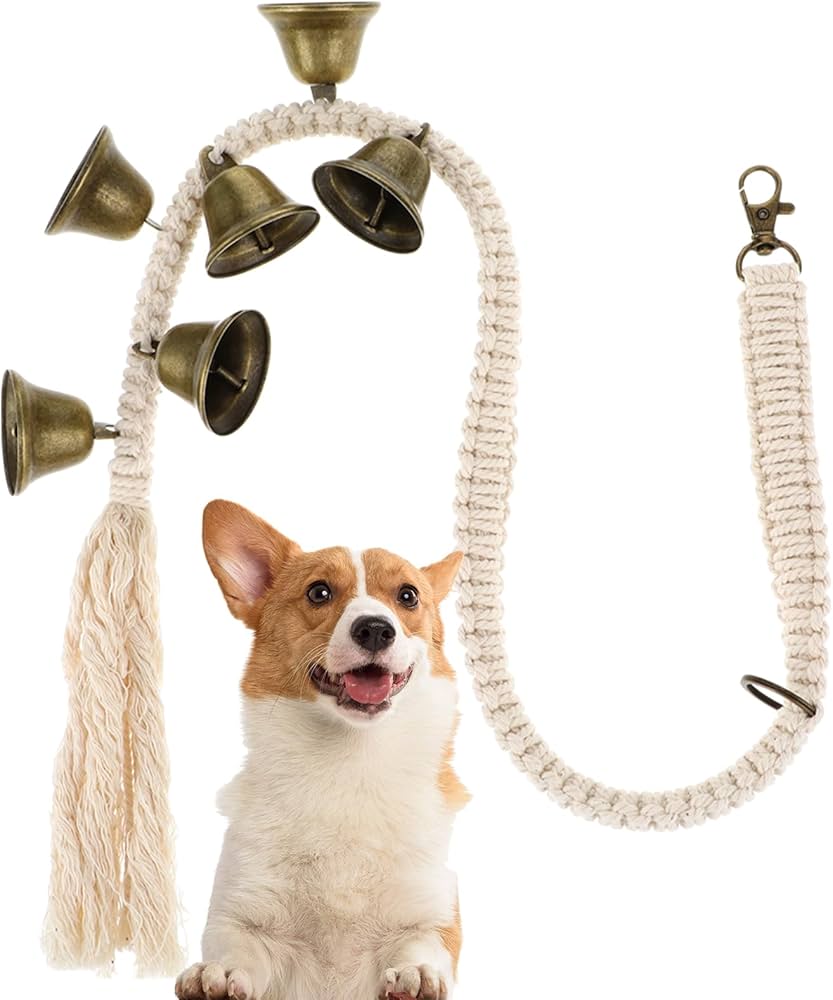
Potty training a puppy can feel like a marathon, filled with triumphs and the occasional (okay, maybe frequent) accident. One of the most ingenious tools to help you and your furry friend navigate this crucial stage is the dog door bell for potty training. These simple yet effective devices offer a clear line of communication, transforming the guesswork of potty time into a straightforward process. By teaching your dog to signal their need to go outside, you can significantly reduce accidents and foster a more harmonious living environment for both of you. This guide will delve into everything you need to know about dog door bells, from how they work to choosing the right one and mastering the training process.
Understanding How Dog Door Bells Work
At their core, Dog Door Bells For Potty Training function as a communication bridge. Instead of your dog barking, whining, or having an accident indoors, they learn to associate a specific action—typically pawing or nudging—with the door bell. When they need to relieve themselves, they’ll activate the bell, signaling to you that it’s time for an outdoor excursion. This consistent signal provides you with an early warning system, allowing you to proactively take your dog outside before an accident occurs. It’s a win-win: your dog gets their needs met promptly, and you get a cleaner home and a less stressed training experience. The concept is rooted in positive reinforcement, where the desired behavior (ringing the bell) is rewarded with a trip outside and praise, strengthening the association.
Why Choose Dog Door Bells for Potty Training?
The benefits of incorporating dog door bells into your potty training routine are numerous and can significantly streamline the process.
Clear Communication, Fewer Accidents
This is the most immediate and impactful advantage. When your dog has a direct and easy way to tell you they need to go, the likelihood of them having an accident indoors plummets. This consistent communication is key to successful potty training, especially for puppies who are still learning bladder control and the cues of needing to go.
Independence and Confidence Building
As your dog learns to use the bell, they gain a sense of independence and control over their bodily functions. This can boost their confidence and reduce anxiety associated with needing to go to the bathroom, as they have a reliable method to express their needs.
Reduced Barking and Whining
For many owners, excessive barking or whining can be a significant source of stress during potty training. Dog door bells offer an alternative, quieter method of communication, potentially reducing nuisance behaviors.
Positive Reinforcement Tool
The process of training with a door bell is inherently positive. It focuses on rewarding the desired behavior (ringing the bell) rather than punishing accidents. This creates a more positive and effective learning environment for your dog.
Adaptable for Various Breeds and Ages
Whether you have a tiny Chihuahua or a large Great Dane, a puppy or a senior dog, dog door bells can be adapted. The placement and type of bell can be adjusted to suit your dog’s size, strength, and learning style.
Types of Dog Door Bells Available
The market offers a variety of dog door bells, each with its own set of features to consider. Understanding these options can help you select the best fit for your home and your dog.
Simple Hanging Bells
These are perhaps the most basic and widely used type. They consist of a set of bells attached to a strap or rope that hangs from your doorknob or near the door. Your dog is trained to paw or nudge the bells to make them ring.
- Pros: Inexpensive, easy to set up, no batteries required.
- Cons: Can be less durable, some dogs might ignore them if the sound isn’t loud enough, may require more consistent training.
Push-Button Doorbells
These are similar to human doorbells but designed for dogs. They usually consist of a button that, when pressed by your dog’s paw or nose, triggers a sound or chime. Some models are wireless and can be placed anywhere near the door.
- Pros: Clear audible signal, can be placed strategically, some models have adjustable volume.
- Cons: Requires training for the dog to specifically push the button, may require batteries.
Smart Doorbells and Integrated Systems
For the tech-savvy pet owner, smart doorbells offer advanced features. Some connect to your smartphone, alerting you via an app when the bell is rung, even when you’re not home. Others integrate with smart home systems.
- Pros: Remote alerts, advanced tracking, potential for customization.
- Cons: More expensive, require Wi-Fi and setup, may be overly complex for simple potty training needs.
Treat-Dispensing Doorbells
These innovative bells offer an added layer of motivation. When the dog rings the bell, it dispenses a small treat, providing immediate positive reinforcement.
- Pros: Highly motivating for treat-driven dogs, offers instant reward.
- Cons: Requires treats to be refilled, potential for over-treating, may not be suitable for dogs with dietary restrictions.
How to Train Your Dog to Use a Door Bell for Potty Training
Training your dog to use a door bell is a process that requires patience, consistency, and positive reinforcement. Here’s a step-by-step approach to help you succeed:
Step 1: Introduce the Bell
Start by hanging the bells on your doorknob at a height your dog can easily reach with their paw or nose. For the first few days, simply have them hanging there. You can casually jingle them yourself when you take your dog out to go to the bathroom. This helps them associate the sound with the action of going outside.
Step 2: Create the Association
When you’re about to take your dog outside for a potty break, gently guide their paw to touch the bells. You can use a treat to lure their paw towards the bells. The moment they make contact and the bells ring, immediately praise them enthusiastically and lead them outside.
Step 3: Reward the Ring
Once outside, if your dog eliminates, offer lavish praise and a high-value treat. The key is to make the entire experience – touching the bell, going outside, and relieving themselves – as rewarding as possible. Repeat this process every single time you take your dog out for a potty break.
Step 4: Encourage Independent Use
As your dog starts to understand the connection, they’ll begin to touch the bells more independently. When you notice them touching the bells on their own, react immediately. Cheer them on, say a cue word like “Outside!” or “Potty!”, and open the door. This quick reaction reinforces their action.
Step 5: Transition to Signaling Needs
Gradually, your dog will start to associate the bells with the need to go outside. They’ll begin ringing the bells proactively when they feel the urge, rather than just when you’re taking them out. At this stage, always respond promptly. Even if you suspect they don’t really need to go, take them out to reinforce the behavior.
Step 6: Handling Accidents and Setbacks
Accidents are a part of potty training. If an accident happens indoors, don’t scold your dog. Clean it up thoroughly with an enzymatic cleaner to eliminate odors. If you catch them in the act, calmly interrupt them and immediately take them outside to the designated potty spot. If they finish outside, praise them. Remember, consistency is crucial. Some days will be better than others, but persistence will pay off.
Tips for Success with Dog Door Bells
Beyond the basic training steps, several tips can enhance your success and make the process smoother for both you and your dog.
- Consistency is Key: Everyone in the household must be on board with the training method. Inconsistent responses can confuse your dog and slow down progress.
- Use High-Value Treats: For the initial stages, use treats that your dog absolutely loves. This increased motivation will make the association with the bells stronger.
- Choose the Right Bell: Consider your dog’s size, strength, and personality. A small dog might need a bell with a lighter chime, while a larger, more boisterous dog might require a more durable option.
- Placement Matters: Ensure the bells are placed where your dog can easily and consistently reach them. If they’re too high or too low, it can become a barrier.
- Don’t Rely Solely on the Bell: While the door bell is an excellent tool, it’s still important to observe your dog’s other cues. Circling, sniffing intently, or whining can still indicate they need to go out, especially in the early stages.
- Celebrate Successes: Every time your dog successfully uses the bell, make a big deal out of it! Positive reinforcement goes a long way in cementing good habits.
- Be Patient: Every dog learns at their own pace. Some may grasp the concept within days, while others might take weeks. Avoid getting discouraged and celebrate the small victories along the way.
Frequently Asked Questions About Dog Door Bells for Potty Training
Q1: How long does it typically take for a dog to learn to use a door bell?
The time it takes varies greatly depending on the dog’s age, breed, individual learning ability, and the consistency of training. Some dogs pick it up within a week, while for others, it might take several weeks or even a couple of months. Patience and consistent positive reinforcement are key.
Q2: My dog is ringing the bell but then doesn’t go to the bathroom outside. What should I do?
This can happen, especially in the beginning. It might mean they are ringing it out of habit or for attention. When they ring the bell, always take them outside immediately. If they don’t go, keep them on a leash for a few minutes in the potty area. If they still don’t go, bring them back inside and supervise them closely. You can try again in 15-20 minutes. Don’t give them too much freedom indoors until they successfully eliminate outside after ringing the bell.
Q3: Can I use a dog door bell for a senior dog or a dog with mobility issues?
Yes, absolutely. For senior dogs or those with mobility challenges, you might opt for a bell that requires less physical exertion, like a larger button they can nudge with their nose or a strategically placed hanging bell that’s easy to paw. Some smart systems can even be activated with a gentle nudge or a vocal command if the dog is able to respond. Ensure the placement is comfortable and accessible for their physical condition.
Q4: What if my dog chews on the bells?
If your dog tends to chew on things, you’ll need to select a more durable bell or supervise them closely during training. Some hanging bells are made of sturdy rope or metal. For button-style bells, ensure they are made of chew-resistant material. If chewing persists, redirect their attention to an appropriate chew toy immediately after they ring the bell.
Q5: Should I use the same bell for going outside to potty and for going out to play?
Ideally, you want to keep the association clear: the bell means “I need to go potty.” If you also use the bell for playtime, they might start ringing it just to go out and play, defeating the purpose of potty training. You can use a different cue for play, such as opening the door and saying “Playtime!” enthusiastically, or a different door.
Conclusion: A Smarter Way to Potty Train
Dog door bells for potty training offer a remarkably effective and humane way to communicate with your canine companion. By establishing a clear signal for when nature calls, you empower your dog, reduce frustration for both pet and owner, and pave the way for a cleaner, more peaceful home. Remember that consistency, patience, and positive reinforcement are your greatest allies in this journey. With the right approach and the aid of a well-chosen door bell, you and your dog can navigate the potty training phase successfully, strengthening your bond in the process. This simple tool can truly revolutionize how you approach this essential aspect of dog ownership, turning a potentially challenging period into a rewarding experience.
