
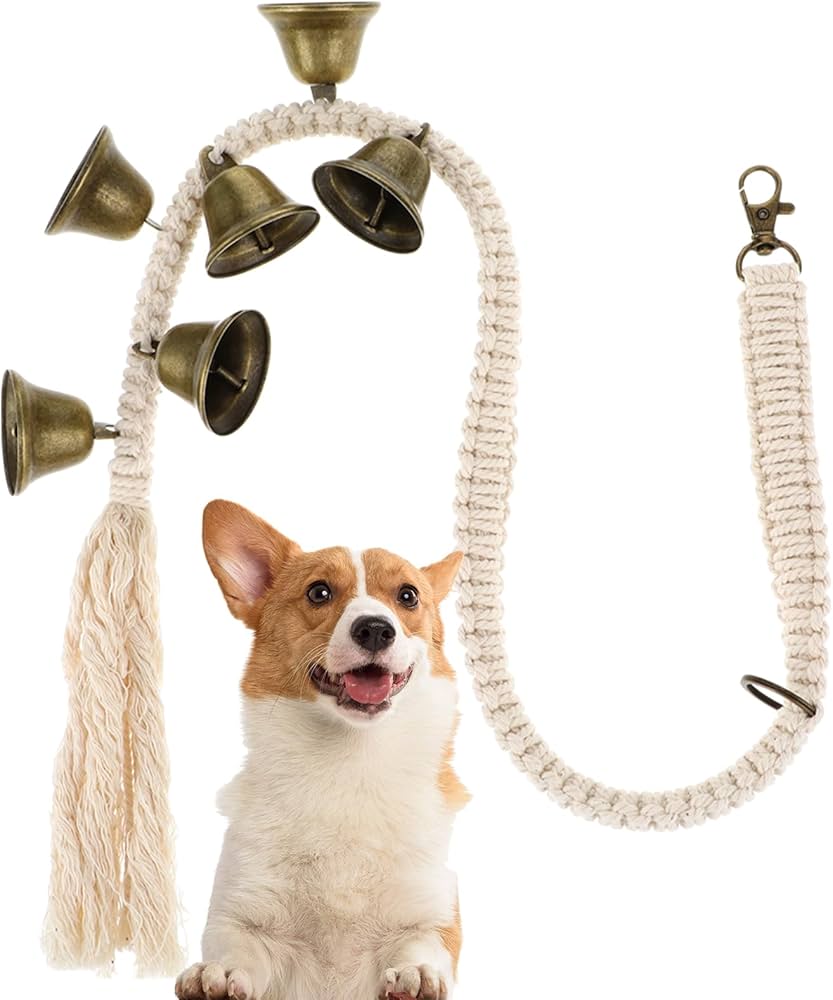
Potty training a dog can feel like a marathon, full of triumphs and the occasional accident. If you’re looking for a way to make this process smoother and more communicative, dog door bells for potty training might be the secret weapon you need. These simple yet effective tools can transform how your dog signals their needs, leading to fewer messes and a stronger bond between you.
What Exactly Are Dog Door Bells for Potty Training?
At their core, dog door bells are a communication system. Instead of relying on whimpers, scratching at the door, or staring intently, your dog learns to interact with a bell. You hang these bells on your doorknob, and your dog is trained to nudge, paw, or ring them when they need to go outside. It’s a clear, audible signal that can’t be missed, offering a distinct advantage over less obvious cues.
Why Choose Door Bells Over Traditional Methods?
Traditional potty training often involves a lot of guesswork. You’re trying to decipher your dog’s subtle cues, predict when they need to go based on their feeding schedule, and be vigilant about taking them out. Dog door bells streamline this by giving your dog a direct and effective way to tell you, “I need to go out now.”
This method offers several key benefits:
- Clear Communication: No more guessing games. A ringing bell means your dog needs to go potty.
- Reduced Accidents: When your dog can clearly signal their needs, the chances of accidents inside the house decrease dramatically.
- Empowerment for Your Dog: It gives your dog agency in the potty training process, which can boost their confidence and reduce anxiety.
- Positive Reinforcement: The act of ringing the bell and being taken outside to a positive outcome reinforces the desired behavior.
- Suitable for All Ages: While often associated with puppies, these bells can be incredibly useful for older dogs who may have developed new habits or seniors who need a more consistent way to communicate.
How to Introduce Your Dog to Potty Training Bells
The success of dog door bells hinges on effective training. It’s not enough to just hang them up; your dog needs to understand their purpose. Here’s a step-by-step approach to get you started:
Step 1: Acclimation and Association
- Hang the Bells: Place the bells on the doorknob of the door you use most frequently for potty breaks. Ensure they are low enough for your dog to reach comfortably.
- Introduce the Bells: Let your dog investigate the bells. You can initially associate them with positive things like treats or praise.
Step 2: The “Ring and Go” Method
This is the core of the training. Every time you take your dog out to potty, you’ll incorporate the bells:
- Encourage Interaction: Gently guide your dog’s paw or nose to touch the bells, causing them to ring.
- Immediate Reward: The instant the bells ring, praise your dog enthusiastically and immediately lead them outside.
- Positive Potty Experience: Once outside, praise and reward them again when they successfully go potty. This reinforces the entire sequence: bell -> outside -> potty -> reward.
- Consistency is Key: Repeat this process every single time you take your dog out. Even if they don’t ring the bell themselves initially, you are creating the association.
Step 3: Fading Your Guidance
- Prompting: As your dog becomes more familiar, start prompting them to ring the bell. You can say “Go potty” or “Bell” as you head towards the door, encouraging them to touch the bells.
- Independent Ringing: Gradually reduce your physical guidance. Aim for your dog to touch the bells on their own when they feel the urge to go out.
- Waiting for the Signal: Once your dog starts to reliably ring the bell, wait for them to initiate the action before opening the door. This is crucial for them to understand that ringing the bell is their way of asking to go out.
Step 4: Handling Accidents and Setbacks
Setbacks are normal in any training process. If an accident happens:
- Don’t Punish: Avoid scolding or punishing your dog. This can create fear and anxiety, making training harder.
- Clean Thoroughly: Ensure the accident area is cleaned with an enzymatic cleaner to eliminate odors that might attract your dog back to the same spot.
- Reassess: If accidents are frequent, your dog might not be ringing the bell consistently, or they may need more frequent potty breaks. Go back a few steps in the training process if necessary.
Tips for Success with Dog Door Bells
- Choose the Right Bells: There are various types available, from simple jingle bells to more sophisticated buttons. For beginners, simple bells are often best. Consider the sound – it should be distinct and loud enough to hear.
- Location, Location, Location: Hang the bells on the door your dog will use to go outside. Consistency in location helps reinforce the signal.
- Positive Reinforcement is Paramount: Make the experience rewarding for your dog. Use high-value treats, enthusiastic praise, and plenty of petting when they get it right.
- Patience and Consistency: Potty training, even with bells, takes time. Be patient with your dog and yourself, and maintain a consistent routine. Every dog learns at their own pace.
- Consider a “Say Yes” Training Approach: Similar to positive reinforcement, a “say yes” approach focuses on rewarding desired behaviors. When your dog rings the bell, it’s a “yes” moment, and you immediately reward them by taking them outside. This can be highly effective for building clear communication.
- Practice Outside of Potty Breaks: Once your dog understands the bell is for potty breaks, you can reinforce the behavior by having them ring it before any outing, even just for playtime in the yard. This builds an even stronger association.
Troubleshooting Common Issues
My dog rings the bell constantly, even when they don’t need to go.
This often means your dog has figured out that ringing the bell gets them attention or an outing they enjoy (like playing).
- Solution: Revert to only rewarding the bell ring immediately followed by a successful potty break. If they ring the bell and don’t potty, calmly take them back inside without fanfare. Be more selective with rewards.
My dog ignores the bells completely.
- Solution: Your dog may not have made the connection, or the bells might be too high, too quiet, or uninteresting. Try a different type of bell, ensure it’s easily accessible, and reinforce the “ring and go” process more heavily with treats. You might need to go back to physically guiding their paw.
My dog rings the bell and then has an accident right by the door.
- Solution: This can happen if they are very anxious or if they rang the bell out of habit and then realized they really had to go at the last second. Speed up your response time when the bell rings, and ensure they are taken directly outside.
Beyond Potty Training: The Broader Benefits
While primarily used for potty training, dog door bells can be adapted for other communication needs. Some owners train their dogs to ring the bell for other reasons, such as:
- Playtime: Ringing the bell to signal they want to go out and play in the yard.
- Greeting Visitors: Teaching them to ring the bell when someone arrives, rather than jumping or barking.
- General “Outside” Requests: For dogs who enjoy spending time outdoors, the bell can become their all-purpose signal for wanting to go out.
For owners looking into specialized training, understanding the training requirements for a service dog can offer insights into how commands and signals are taught, reinforcing the value of clear communication. Similarly, for puppies, a good dog puppy training program will often incorporate early communication tools like bells.
Conclusion: A Simpler Way to Communicate with Your Canine Companion
Implementing dog door bells for potty training is a proactive and positive approach that can significantly enhance your training journey. By fostering clear communication, reducing frustration for both you and your dog, and empowering your pet, these bells become more than just a training tool—they become a bridge to a better understanding. Remember that consistency, patience, and positive reinforcement are your greatest allies. With the right approach, you and your furry friend can master the art of communication, one ring at a time.
