
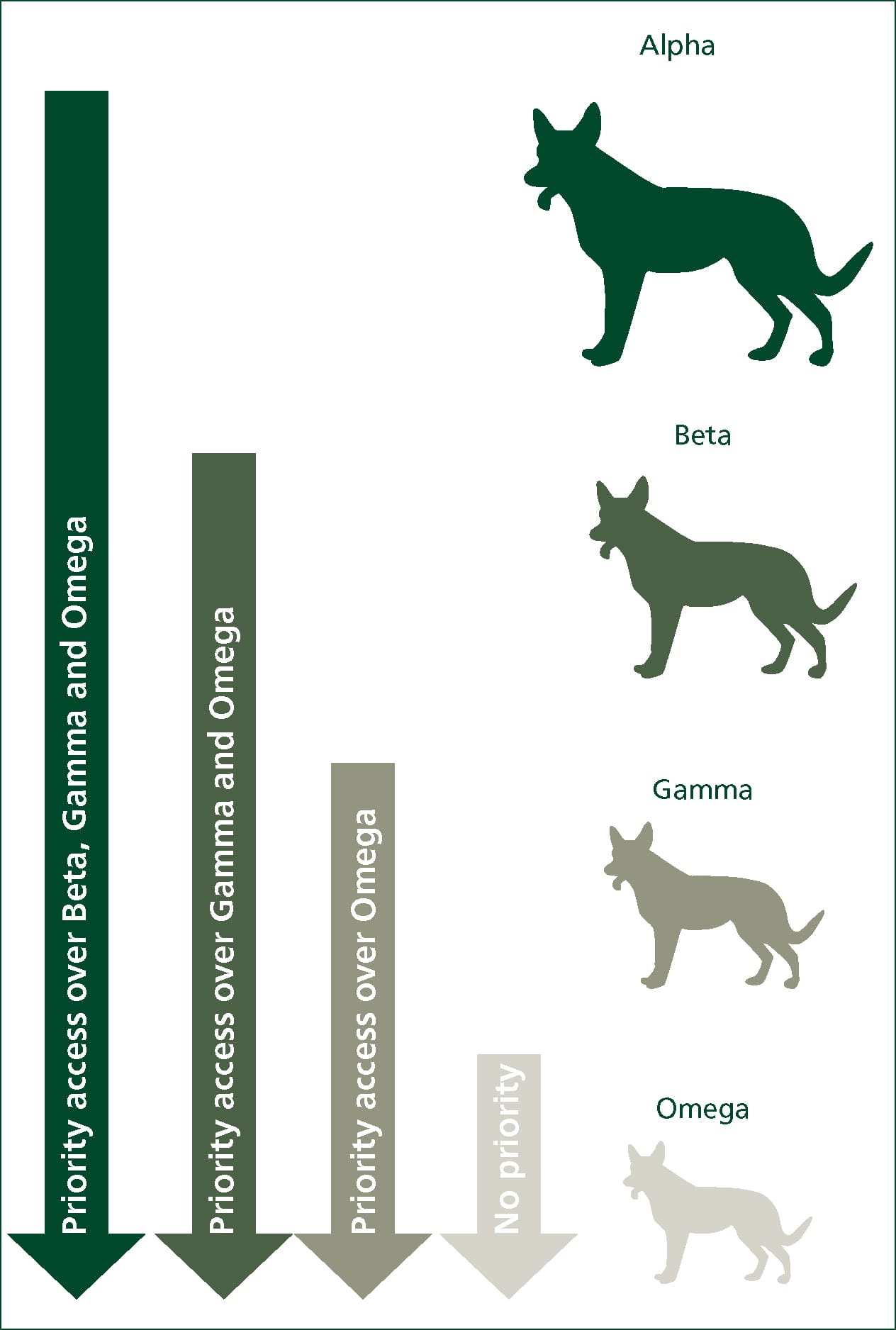
Dominance aggression in dogs is a complex behavioral issue that often stems from a dog’s perceived need to assert control or maintain a higher social standing within its environment. It’s crucial to understand that this isn’t about a dog being “bad,” but rather about a miscommunication of social cues and an underlying insecurity that can manifest as aggression. This guide will delve into the nuances of dog dominance aggression training, offering practical strategies for owners to manage and redirect these behaviors effectively.
What Exactly is Dominance Aggression in Dogs?
Dominance aggression is characterized by a dog exhibiting threatening or aggressive behaviors towards humans or other animals in an attempt to establish or maintain dominance. This can include behaviors like growling, snapping, lunging, or even biting when a perceived challenge to their social status occurs. It’s often seen in situations where the dog believes it needs to be “in charge,” such as guarding resources (food, toys, resting spots), controlling movement, or when encountering new people or animals.
Recognizing the Signs
Identifying the early signs of dominance aggression is key to successful intervention. Watch out for:
- Stiff body posture: The dog may stand tall, with a stiff tail and body, and ears pricked forward.
- Direct, hard stare: Unwavering eye contact can be a sign of challenge.
- Growling or snarling: These are clear warnings that the dog is uncomfortable and may escalate.
- Mouthing or snapping: This is a more forceful warning, often used when the dog feels its space or resources are being encroached upon.
- Raised hackles: The fur along the dog’s spine may stand on end.
- Hogging resources: The dog may refuse to move from a spot, guard its food bowl, or prevent others from accessing certain areas.
It’s important to distinguish dominance aggression from other forms of aggression, such as fear-based aggression or redirected aggression. Fear aggression often involves appeasement signals like lip licking or yawning, while dominance aggression is typically more assertive and confrontational.
The Role of Socialization and Leadership in Prevention
Early Socialization: Building a Foundation of Confidence
Proper socialization during a puppy’s critical developmental period (roughly 3 to 16 weeks) is paramount in preventing dominance aggression. Exposing puppies to a wide variety of sights, sounds, people, and other well-behaved dogs in a positive and controlled manner helps them develop into confident, well-adjusted adults. This early exposure teaches them that new experiences are not inherently threatening and that they don’t need to assert themselves aggressively to feel secure.
Establishing Clear Leadership: The Pack Mentality
Dogs are naturally social animals with an innate understanding of social hierarchies. In a domestic setting, the owner needs to clearly establish themselves as the leader. This doesn’t mean being harsh or dominant in a punitive way, but rather providing consistent structure, rules, and positive reinforcement.
“Effective leadership in a dog-human relationship is built on trust, consistency, and mutual respect, not on fear or intimidation.”
Establishing leadership involves:
- Consistent training: Using positive reinforcement methods to teach basic obedience commands.
- Controlled resources: Ensuring the dog understands that all resources (food, toys, attention) are provided by the leader. This can involve having the dog sit before meals, waiting for permission to exit doorways, and engaging in structured play.
- Setting boundaries: Gently but firmly redirecting unwanted behaviors and consistently enforcing house rules.
Effective Training Strategies for Dominance Aggression
When dealing with existing dominance aggression, a firm, consistent, and positive approach is essential. The goal is to help the dog understand its place in the household and to redirect its need for control into acceptable behaviors.
Obedience Training: The Cornerstone of Control
A well-trained dog is a more manageable dog. Focus on commands that reinforce the owner’s leadership and the dog’s responsiveness. Commands like “sit,” “stay,” “down,” and “come” are fundamental.
- “Sit” before rewards: Ask your dog to sit before receiving food, treats, or petting. This teaches them to earn what they want.
- “Stay” for control: Practicing “stay” in various scenarios helps build impulse control.
- “Come” for reliability: A strong recall is vital for safety and demonstrates the dog’s willingness to respond to the leader.
Desensitization and Counter-Conditioning
These techniques are crucial for modifying the dog’s emotional response to triggers.
- Desensitization: Gradually exposing the dog to the trigger (e.g., a person approaching its food bowl) at a low intensity where it doesn’t react aggressively.
- Counter-conditioning: Pairing the trigger with something positive, like a high-value treat, to change the dog’s association from negative to positive.
For example, if your dog is aggressive when you approach its food bowl, you can start by simply walking past the bowl at a distance, rewarding your dog for remaining calm. Gradually, you’ll decrease the distance, eventually being able to approach and even add a treat to the bowl, all while your dog remains relaxed. This process requires immense patience and understanding, and for severe cases, professional guidance is highly recommended.
Managing the Environment
Preventing situations that trigger aggression is a crucial part of management, especially during the training process.
- Resource guarding: Don’t allow your dog to guard valuable items. You can practice “trading” for these items, teaching them that giving something up results in a reward.
- Controlled greetings: When introducing your dog to new people or animals, do so on a leash in a neutral territory. Keep interactions brief and positive.
- Calm household routines: Avoid overly boisterous or chaotic environments that might heighten a dog’s sense of needing to take control.
When to Seek Professional Help
Dominance aggression can be a serious issue, and attempting to manage it without proper knowledge can be dangerous for both the dog and its owner. If you are experiencing difficulties or if your dog’s aggression is severe, it’s imperative to consult a certified professional dog trainer or a veterinary behaviorist. They can provide a personalized assessment, develop a tailored training plan, and guide you through the process safely and effectively.
Expert Advice on Dominance Issues
Dr. Sarah Miller, a renowned veterinary behaviorist, emphasizes, “Owners must remember that dominance aggression is often rooted in insecurity. Our role is to build their confidence through clear communication and consistent positive reinforcement, thereby reducing their need to control their environment through force.” Working with a professional ensures that you are implementing the correct techniques and not inadvertently reinforcing the aggressive behavior. For more insights into handling aggressive behaviors, resources on dog on dog aggression in the home and how to stop aggressive behavior in dogs can be invaluable. Understanding how to correcting dog on dog aggression is also a critical component of a comprehensive approach.
Conclusion: Building a Harmonious Relationship
Training a dog with dominance aggression requires patience, consistency, and a deep understanding of canine behavior. By establishing clear leadership, employing positive training methods, and seeking professional help when needed, you can transform a challenging situation into a harmonious relationship. Remember, the goal is not to dominate your dog, but to build a bond based on trust and mutual respect, ensuring a happy and safe environment for everyone involved. Consider exploring resources like alpha and omega dog training for advanced techniques and perspectives on leadership in dog training. Mastering dog dominance aggression training is a journey that rewards both owner and canine companion.
