
As dedicated dog parents, understanding the signs and symptoms of common canine illnesses is paramount to ensuring our furry companions receive prompt veterinary care. This guide provides essential information on diseases and medical conditions that frequently affect dogs, empowering you to act swiftly when your dog’s health is at stake. Recognizing these issues early can make a significant difference in treatment outcomes and your dog’s overall well-being.
Cancer in Dogs
Discovering that a beloved pet has cancer can be a daunting and confusing experience. It’s important to remember that veterinary approaches to cancer treatment can vary. Seeking a second opinion, particularly from a veterinary oncologist, and thoroughly discussing all available options with your vet are crucial steps. Cancer is characterized by the uncontrolled growth of cells that invade surrounding tissues and can potentially spread throughout the body. Just as in humans, dogs can develop various types of cancer, which can be localized to a specific area, such as a tumor, or generalized, affecting the entire system.
Causes, Symptoms, and Diagnosis of Cancer
Cancer is a complex, multifactorial disease with no single known cause, though both hereditary and environmental factors are understood to contribute to its development in dogs. Symptoms can manifest in several ways, including the appearance of lumps (which, while not always malignant, warrant veterinary examination), swelling, persistent sores, abnormal bodily discharge, persistent bad breath, lethargy, unexplained weight loss, sudden lameness, or changes in stool consistency.
Diagnosing cancer often begins with a needle biopsy of any suspicious lumps to examine the cells under a microscope. In some cases, surgery may be necessary to remove tissue for a pathologist’s review. Radiographs (X-rays), ultrasounds, and blood tests can also aid in determining the presence and spread of cancer.
Breeds and Prevention
While cancer can affect dogs of any age or breed, it is significantly more common in older dogs. Certain breeds have predispositions to specific cancers; for instance, Boxers, Boston Terriers, and Golden Retrievers are more prone to mast cell tumors and lymphoma, whereas large breeds like Great Danes and Saint Bernards have a higher incidence of bone cancer. Early spaying or neutering can dramatically reduce the risk of certain cancers, such as breast cancer and testicular cancer.
Treatment and When to Consult Your Vet
Treatment options for cancer are diverse and depend heavily on the type and stage of the disease, commonly including surgery, chemotherapy, radiation, immunotherapy, or a combination thereof. Early detection is critical for successful treatment. For owners who opt not to pursue aggressive treatment, palliative care focused on pain relief and maintaining quality of life is essential. If your dog exhibits any potential cancer symptoms, immediate consultation with your veterinarian is strongly advised.
Diabetes Mellitus in Dogs
Diabetes in dogs is a complex endocrine disorder resulting from either insufficient insulin production or the body’s inability to effectively use insulin. Insulin, a hormone produced by the pancreas, is vital for transporting glucose from the bloodstream into cells for energy. When this process is impaired, blood sugar levels rise, leading to hyperglycemia, which can cause numerous health complications if left untreated. Fortunately, diabetes is a manageable condition, and many diabetic dogs can lead fulfilling lives with proper care.
Types, Symptoms, and Causes
Diabetes is broadly classified into Type I (insulin deficiency) and Type II (impaired insulin production and response). Type I is the most common form in dogs and requires lifelong insulin therapy. Key symptoms include increased thirst and urination, unexplained weight loss, changes in appetite, lethargic behavior, and a distinct sweet or fruity odor to the breath. The exact cause of diabetes remains unknown, but contributing factors may include autoimmune disease, genetics, obesity, pancreatitis, and certain medications.
Risk Factors and Diagnosis
Obese female dogs and certain breeds like Australian Terriers, Schnauzers, Dachshunds, and Poodles may have a higher risk. Juvenile diabetes can also occur, particularly in Golden Retrievers. Diagnosis involves a thorough review of clinical signs, a physical examination, and blood and urine tests.
Management and Prevention
Managing diabetes involves a tailored approach, often including insulin injections, dietary adjustments, and regular exercise. Consistent daily routines for feeding and medication are crucial to maintain stable blood glucose levels. Spaying is also recommended, as female hormones can influence blood sugar. While some forms of diabetes are inherited, maintaining a healthy weight and regular exercise can significantly reduce the risk of developing the condition. If you notice any concerning symptoms, consult your veterinarian immediately, as untreated diabetes can lead to severe complications, including cataracts, blindness, and even death.
Heartworm Disease
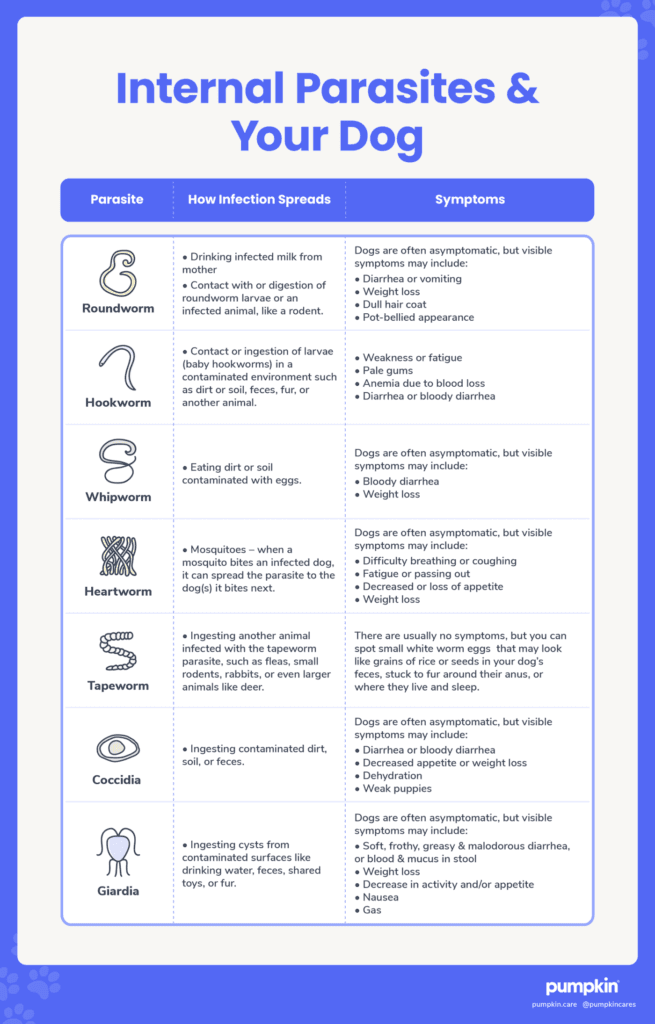
Heartworm disease is a serious and potentially fatal parasitic infection transmitted by mosquitoes. The heartworm, a nematode, resides in the heart and pulmonary arteries of infected animals, damaging blood vessels and vital organs as it matures. Several hundred worms can inhabit a single dog for years, causing significant health issues.
Transmission, Symptoms, and Diagnosis
Heartworms are transmitted through the bite of infected mosquitoes. Symptoms can range from mild to severe, including labored breathing, persistent coughing, vomiting, weight loss, and fatigue after minimal exertion. Some dogs may show no symptoms until the disease is advanced. Diagnosis typically involves a physical examination, radiographs, ultrasound, and a veterinarian-administered blood test. Routine annual screening is highly recommended for all dogs.
At-Risk Dogs and Prevention
Dogs in warmer, humid regions with high mosquito populations are at the greatest risk. However, heartworm disease has been reported nationwide. Prevention is straightforward and highly effective through monthly chewable pills or topical medications prescribed by a veterinarian. The American Heartworm Society recommends year-round preventative treatment, which often also protects against other intestinal parasites.
Treatment and When to Consult Your Vet
Treatment for existing heartworm infections involves a series of injections to eliminate adult worms, often requiring hospitalization and strict exercise restriction post-treatment. However, disease prevention is a far safer and more effective strategy. If your dog exhibits decreased energy, illness, or any of the described symptoms, contact your veterinarian immediately.
Kennel Cough
Kennel cough, also known as infectious tracheobronchitis, is a highly contagious respiratory infection affecting a dog’s larynx and trachea. It is similar to a human’s chest cold and is typically caused by a combination of viral and bacterial agents. While usually self-limiting, its contagious nature necessitates prompt action.
Symptoms, Causes, and Spread
The hallmark symptom is a persistent, dry, honking cough, often accompanied by gagging or coughing up foamy phlegm. Dogs may also exhibit fever and nasal discharge. Kennel cough spreads rapidly through aerosols, direct contact, or contaminated objects, particularly in enclosed environments like kennels and shelters with poor air circulation.
Prevention and When to Consult Your Vet
Preventing exposure is the most effective strategy. Vaccinations against common causative agents like parainfluenza and Bordetella are available and recommended, especially for dogs with frequent contact with other canines. If you suspect your dog has kennel cough, isolate them immediately from other dogs and consult your veterinarian. While most cases resolve within three weeks, severe symptoms, rapid breathing, lethargy, or refusal to eat warrant urgent veterinary attention, as complications like pneumonia can arise.
Parvovirus
Canine parvovirus (CPV) is a severe and highly contagious viral illness that attacks rapidly dividing cells, primarily in a dog’s intestinal tract and white blood cells. In young animals, it can also damage the heart muscle, leading to lifelong cardiac problems.
Symptoms, Causes, and High-Risk Dogs
Symptoms typically include lethargy, severe vomiting, loss of appetite, and profuse, foul-smelling bloody diarrhea, often leading to severe dehydration. The virus is shed in the feces of infected dogs and can survive in the environment for months, contaminating surfaces and objects. Puppies, adolescent dogs, and unvaccinated canines are most susceptible. Certain breeds, including Rottweilers, Doberman Pinschers, and German Shepherds, are at higher risk.
Prevention and Treatment
Maintaining an up-to-date vaccination schedule is the most critical preventive measure. Due to the virus’s resilience, thorough disinfection of the environment with a bleach solution (1:32 ratio) is essential if an infected dog has been present. There is no cure for parvovirus; treatment focuses on aggressive supportive care in a veterinary hospital, including antibiotics, anti-vomiting medication, and intravenous fluids to combat dehydration. Due to the severity and potential for fatality, immediate veterinary attention is crucial if parvovirus is suspected.
Rabies
Rabies is a deadly viral disease affecting the central nervous system of all mammals, including humans. While preventable through vaccination, once symptoms appear, rabies is nearly always fatal.
Transmission, Symptoms, and Prevention
The rabies virus is primarily transmitted through the bite of an infected animal, though it can also enter the body through mucous membranes or open wounds if exposed to infected saliva. Wild animals like raccoons, bats, skunks, and foxes are common carriers, and unvaccinated domestic animals can also spread the disease. Vaccination is the most effective preventive measure and is legally mandated in many areas. Avoiding contact with wild animals and ensuring your dog is vaccinated are key.
Symptoms can take weeks to months to appear and include behavioral changes (aggression, apprehension), hypersensitivity, biting, fever, paralysis, disorientation, and seizures. There is no cure for rabies once symptoms manifest.
Diagnosis and What to Do
Rabies can only be definitively diagnosed through laboratory testing of brain tissue after an animal’s death. If your dog interacts with a potentially rabid animal, contact your veterinarian immediately. If the suspect animal is still present, alert local animal control. A vaccinated dog bitten by a potentially rabid animal should receive a booster vaccination and be observed. If you suspect you have been bitten, seek medical attention immediately.
Ringworm
Despite its name, ringworm is a fungal infection, not caused by a worm. It affects the skin, hair, and nails and is highly contagious to other animals and humans.
Symptoms, Risk Factors, and Diagnosis
Classic symptoms include patchy, circular areas of hair loss, often with redness in the center, typically appearing on the head, ears, and limbs. Some affected animals may show minimal or no symptoms. Puppies, malnourished or immunocompromised dogs, and those in close living quarters are more susceptible. Diagnosis by a veterinarian may involve using an ultraviolet light or analyzing a fungal culture.
Treatment and Prevention of Spread
Treatment depends on the severity and may include medicated shampoos, ointments, or oral medications. It is crucial to complete the full course of treatment prescribed by your veterinarian. To prevent spreading, all household pets should be bathed with medicated solutions, bedding and toys disinfected, and regular vacuuming performed to remove infected hairs and skin cells. Thorough handwashing after handling infected animals is essential.
