
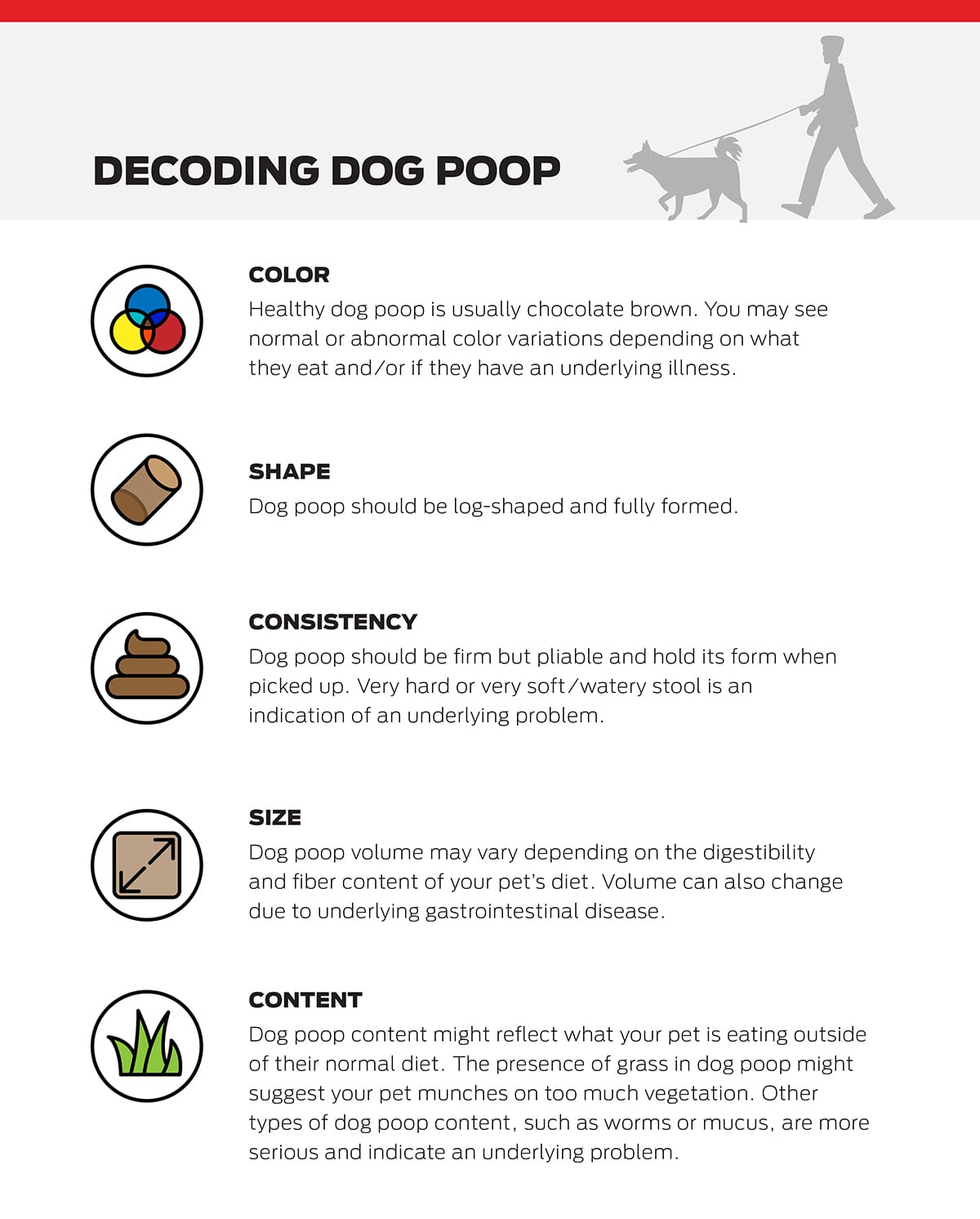
Digestive problems are a frequent reason for veterinary visits in dogs. While symptoms like vomiting and diarrhea are common, they can stem from a wide array of causes, ranging from minor to severe health conditions. Recognizing these signs and understanding potential causes is crucial for ensuring your canine companion stays healthy.
Common Signs of Digestive Upset in Dogs
Gastrointestinal issues encompass disorders affecting the stomach and intestines, presenting with various symptoms. It’s important to note that a dog may not exhibit all of these signs simultaneously, but even one or two can signal a problem.
- Vomiting: This can occur with or without food.
- Diarrhea: May be accompanied by blood or mucus.
- Constipation: Difficulty passing stool.
- Increased gas: Excessive flatulence.
- Loss of appetite: Reluctance to eat.
- Weight loss: Unexplained decrease in body weight.
- Fever: An elevated body temperature.
- Dehydration: Signs include lethargy and dry gums.
- Abdominal pain: Indicated by a hunched posture, “praying” stance, or vocalization when touched.
- Abdominal enlargement: A visibly swollen belly.
- Distress: Restlessness and inability to get comfortable.
When to Seek Veterinary Care
If you are ever in doubt about your dog’s health, it is always best to contact your veterinarian. For after-hours emergencies or if your pet appears gravely ill, seek immediate emergency veterinary care. Some gastrointestinal conditions can be serious and life-threatening, and even seemingly mild issues can escalate if left untreated.
Urgent veterinary attention is required in the following situations:
- Your pet is a young puppy, a senior dog, or has a chronic health condition.
- Vomiting or diarrhea is severe or contains significant amounts of blood.
- Digestive upset is accompanied by listlessness, dehydration, or fever.
- Your pet exhibits signs of abdominal pain.
- Your pet shows symptoms suggestive of bloat, particularly in breeds predisposed to this condition.
Causes of Gastrointestinal Issues in Dogs
Numerous factors can lead to stomach and intestinal upset in dogs. These issues can manifest suddenly or develop gradually.
Dietary Indiscretion and Food-Related Causes
Eating something inappropriate, such as garbage, table scraps, or items found outdoors, is a very common cause of stomach upset. This can lead to symptoms ranging from mild to severe. Even changes to a healthy diet should be made gradually over one to two weeks to allow the dog’s system to adjust.
Stress Diarrhea
Emotional distress can trigger gastrointestinal issues in dogs, particularly during travel, boarding, or significant life changes. If your dog is prone to stress-related diarrhea, discuss preventive options with your veterinarian before anticipated stressful events.
Infectious Causes
Young puppies are especially vulnerable to infectious diseases like Parvovirus due to their underdeveloped immune systems. Any puppy experiencing gastrointestinal problems should see a vet promptly. However, dogs of all ages can contract bacterial, viral, or fungal infections. Intestinal parasites, such as worms, coccidia, or Giardia, are also common and typically respond well to treatment.
Inflammatory Conditions
Some dogs develop food allergies, sensitivities, or inflammatory bowel disease (IBD). Diagnosis often involves an elimination diet, and treatment typically includes a specialized diet and supplements or medications to manage symptoms.
Toxic Ingestions
Ingesting toxic substances, including certain human foods like chocolate, household chemicals, poisons, or toxic plants, can cause digestive upset and other serious effects. Many human medications can also be harmful to pets. Even pet-prescribed medications can have side effects like vomiting or diarrhea.
Gastric Dilatation and Volvulus (GDV or Bloat)
GDV occurs when the stomach twists, trapping gas and leading to rapid swelling. This is a life-threatening emergency that can cause internal bleeding, organ damage, and even death if not treated promptly. Symptoms include retching without vomiting, a distended and painful abdomen, panting, and restlessness. Surgery is required to correct the twist and often involves tacking the stomach to the abdominal wall to prevent recurrence. While any dog can develop GDV, it is most common in large, deep-chested breeds. Preventive measures include feeding smaller meals, avoiding stress, and not exercising dogs an hour before or after meals. Preventive gastropexy surgery can also be considered for at-risk breeds.
Pancreatitis
Inflammation of the pancreas, often triggered by consuming fatty foods, can cause vomiting, diarrhea, and abdominal pain. Severe pancreatitis requires hospitalization for supportive care and can lead to diabetes and chronic digestive issues if it recurs.
Intestinal Blockages
Obstructions in the digestive tract can result from masses, hernias, or the ingestion of foreign objects. Common culprits include fabric items, toys, rocks, and non-digestible food items. Intestinal blockages are serious emergencies requiring surgery to remove the obstruction and any damaged intestinal tissue. Preventive measures involve supervising dogs with chewing habits, securing garbage cans, and keeping floors clear of small objects.
Underlying Health Conditions
Diseases outside the digestive system, such as Addison’s disease, diabetes complications, or kidney and liver problems, can also manifest with gastrointestinal symptoms. Treatment focuses on addressing the primary underlying condition.
Cancer
Cancer within the digestive tract or elsewhere in the body can cause gastrointestinal issues. Treatment involves targeting the cancer directly and providing supportive care for symptom relief.
Diagnosing Digestive Problems
Vomiting and diarrhea are symptoms, not diagnoses. Accurate diagnosis requires a thorough investigation by a veterinarian. This typically involves:
- History: Detailed information about your dog’s symptoms, diet, and potential exposures.
- Physical Examination: A comprehensive physical assessment, including palpation of the abdomen and checking vital signs.
- Diagnostic Tests: This may include fecal analysis for parasites, bloodwork, urinalysis, X-rays, ultrasound, hormonal testing, infectious disease testing, and potentially food trials or more invasive procedures like endoscopy or biopsies, depending on the suspected cause.
Your veterinarian will tailor a diagnostic plan based on your dog’s specific symptoms and suspected conditions.
Treatment for Digestive Issues
Treatment is always directed at the specific underlying cause. This could range from deworming for parasites to surgery for intestinal blockages. Supportive care is also crucial for managing symptoms, preventing complications like dehydration, and ensuring your dog’s comfort. Supportive care may include anti-nausea medications, antacids, antidiarrheals, probiotics, fluid therapy, and specialized diets.
Home Treatment Considerations
For otherwise healthy adult dogs experiencing mild digestive upset, some home care may be appropriate for a day or two, provided they are eating, drinking, and acting normally. This can include a bland diet of plain chicken and rice, ensuring ample water access, and allowing rest. Probiotics formulated for pets may also be beneficial. Withholding food for up to 24 hours is sometimes recommended, but should be discussed with your vet first, especially for certain dogs. Always consult your veterinarian before administering any medications, as many human medications are toxic to pets.
Preventing Digestive Issues
While some conditions cannot be prevented, many common causes of digestive upset are preventable. Key preventive measures include:
- Maintaining up-to-date veterinary checkups, vaccinations, and parasite prevention.
- Feeding a high-quality, age-appropriate diet.
- Limiting table scraps and offering only dog-safe treats.
- Preventing access to garbage, toxins, and objects that can be swallowed.
- Supervising outdoor time and keeping your dog on a leash.
By taking these precautions and seeking prompt veterinary care when needed, you can help maintain your dog’s digestive health and overall well-being.
