
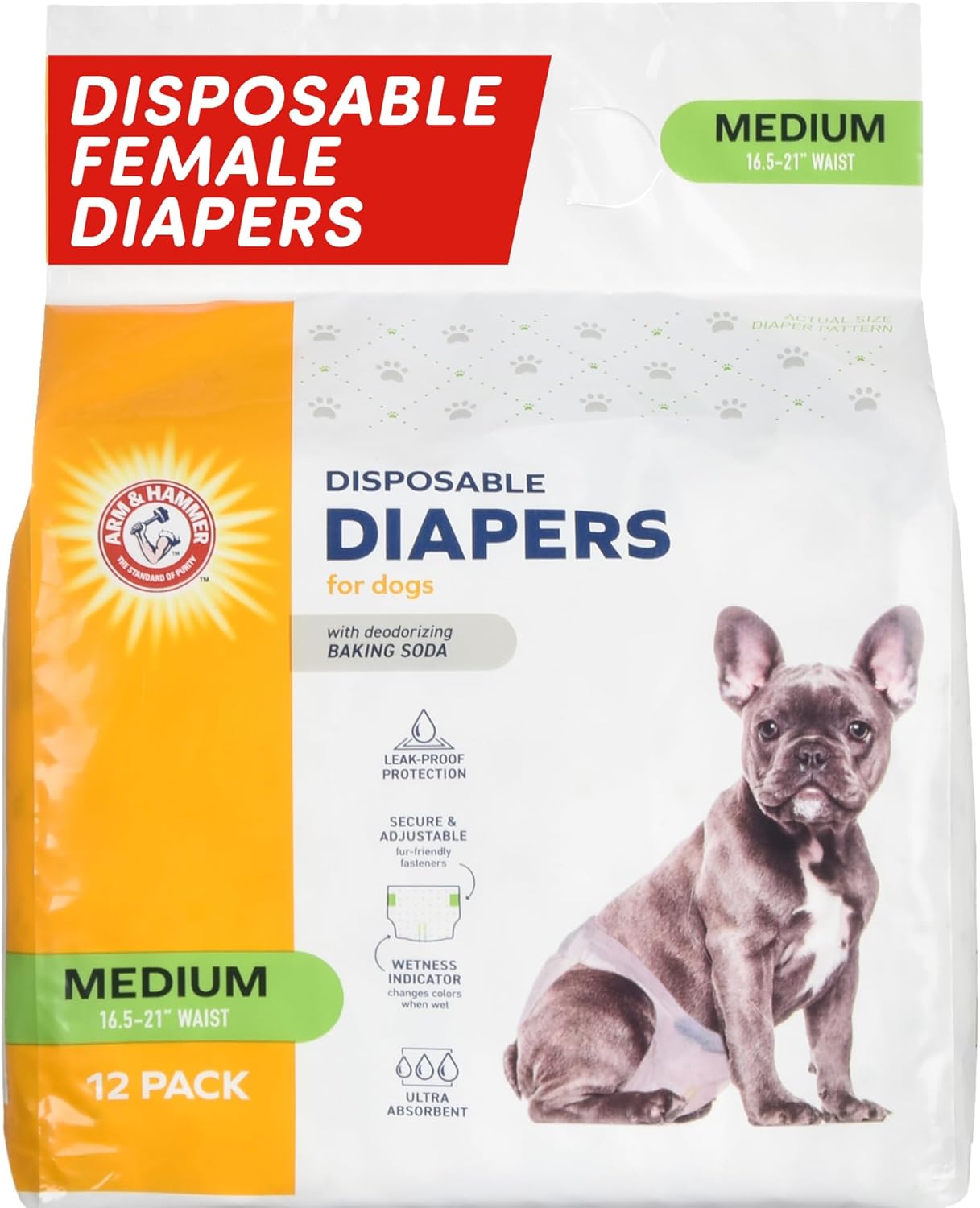
Potty training a puppy or a new adult dog can be one of the most trying experiences for a pet owner. You’re trying your best, but accidents happen, leaving you scrubbing carpets and wondering if your furry friend will ever get the hang of it. In your search for solutions, you’ve likely come across a seemingly simple fix: Dog Diapers For Potty Training. The idea is tempting—no more messes, no more stress. But is it really the answer? While they can be a useful tool in specific situations, relying on them as a primary training method can create more problems than it solves. This guide will walk you through the pros, cons, and proper use of dog diapers, ultimately showing you how to build a solid foundation for lifelong potty training success. Understanding the core principles of dog training potty training is the first step toward a dry and happy home.
The Diaper Debate: Management Tool vs. Training Solution
The most critical thing to understand is the difference between management and training. Dog diapers are a management tool. They manage the mess, preventing urine and feces from soiling your home. Training, on the other hand, is the process of teaching your dog the correct behavior—in this case, where and when it is appropriate to eliminate.
Using dog diapers for potty training can be like putting a bucket under a leaky roof. The bucket manages the immediate problem (the water), but it doesn’t fix the hole in the roof. Similarly, a diaper contains the accident, but it doesn’t teach your dog that they should be going outside. The ultimate goal is to fix the “leak” by communicating the right potty habits to your dog, not just to manage the symptoms of a lack of training.
“Many owners reach for diapers out of desperation, and that’s understandable,” notes Dr. Eleanor Vance, a veterinary behaviorist. “However, it’s crucial to see them as a temporary aid for very specific circumstances, not as a substitute for the consistent routine and positive reinforcement that form the bedrock of successful house training.”
Relying on them too heavily can send a confusing message, essentially telling your dog that it’s okay to relieve themselves whenever and wherever they feel the urge, as long as they are wearing the diaper.
The Potential Benefits: When Diapers Can Help
While they aren’t a magic bullet for training, there are scenarios where dog diapers can be genuinely helpful and provide peace of mind for owners. It’s all about using them strategically and for a limited time.
Preventing Accidents During the Initial Phase
When you first bring a puppy home, accidents are inevitable. Diapers can be a lifesaver for your floors and furniture during this initial, intense period. They can reduce your stress levels, which in turn helps you stay positive and patient with your puppy—a key component of successful training.
Managing Medical Conditions
Some dogs suffer from urinary incontinence due to old age, bladder stones, UTIs, or other medical issues. In these cases, diapers are not a training tool but a necessary accessory to manage a condition beyond the dog’s control and maintain their quality of life.
House Soiling in Senior Dogs
As dogs age, they can sometimes experience cognitive decline or a loss of bladder control, leading to accidents in the house. For a dog that has been perfectly house-trained its entire life, this can be distressing for both the pet and the owner. Diapers can help manage this new reality with dignity. The approach is different from a puppy, as you might need to consider how do you potty train an older dog all over again, but with a focus on management and comfort.
Traveling or Visiting
When you’re in a new environment like a hotel or a friend’s house, even a well-trained dog might get confused or anxious, leading to an accident. Using a diaper in these short-term, high-risk situations can be a responsible way to prevent mishaps.
The Major Drawbacks: Why Diapers Can Hinder Potty Training
This is the most important part of the discussion. While the benefits are about managing messes, the drawbacks are directly related to the training process itself. Over-reliance on dog diapers for potty training can actively sabotage your efforts.
It Teaches the Wrong Lesson
The core of potty training is teaching your dog to associate the feeling of a full bladder with the action of going outside. A diaper disrupts this connection. It teaches the dog that it’s comfortable and acceptable to eliminate in their immediate vicinity, wherever they happen to be. They never learn to “hold it” or to signal their need to go out because the immediate urge is instantly relieved without consequence.
It Can Delay the Training Process
Because the dog isn’t learning the fundamental cause-and-effect of “I need to go, so I must go outside,” the overall training timeline can be significantly extended. You’re not building the right habits. Once you decide to stop using diapers, you’re often back at square one, but now you have to untrain the habit of going in the diaper as well.
Potential for Skin Issues
Leaving a dog in a wet or soiled diaper for too long can lead to painful and serious health problems. Urine scald, skin infections, and urinary tract infections (UTIs) are all risks. This requires owners to be incredibly vigilant about checking and changing the diaper frequently, which can be more work than taking the dog out on a consistent schedule.
Discourages Communication
Part of successful potty training is learning your dog’s signals. Do they whine at the door? Do they pace in circles? Do they give you a certain look? When a dog is wearing a diaper, they have no need to develop these signals, and you have no opportunity to learn them. This communication is vital for a long-term, accident-free relationship.
A Smarter Strategy: Using Diapers Correctly (If You Must)
If you’ve weighed the pros and cons and decided to use diapers for a specific, short-term purpose, it’s crucial to do it right to minimize the negative impact on training.
- Use Them Sparingly: Reserve diapers for times when you absolutely cannot supervise your dog, such as during a brief period when you have guests over or overnight if crate training isn’t yet established. They should not be worn 24/7.
- Combine with a Strict Schedule: The diaper is a backup, not the primary plan. You must still take your dog out on a rigorous schedule: first thing in the morning, last thing at night, after every meal, after every nap, and at least once every hour for young puppies.
- Praise Outdoor Success: Whenever you take your dog outside and they eliminate, throw a party! Lavish them with praise, high-value treats, and excitement. This reinforces that going outside is the most wonderful, rewarding thing they can do.
- Keep Them Clean and Dry: Check the diaper frequently (at least every hour) and change it immediately if it’s wet or soiled. Clean the dog’s skin with a pet-safe wipe during every change to prevent irritation.
- Phase Them Out Quickly: Have a clear plan to stop using the diapers. As your dog starts having more successful outdoor potty breaks and fewer accidents in the diaper, begin leaving it off for longer and longer supervised periods until you no longer need it at all.
The Real Solutions: Proven Potty Training Methods
Instead of relying on diapers, focus your energy on the time-tested methods that build lasting habits. These techniques teach your dog what you want them to do, rather than just managing what you don’t want them to do.
Establish a Rock-Solid Routine
Dogs are creatures of habit. A consistent schedule is the single most important factor in successful potty training.
- Frequent Potty Breaks: A young puppy needs to go out every 1-2 hours. A good rule of thumb is that they can hold it for their age in months plus one (e.g., a 3-month-old can hold it for about 4 hours, max).
- Key Times: Always take them out immediately after waking up, after eating, and after playing.
- Designated Spot: Lead them to the same spot in the yard every time. This helps them associate that specific area with elimination.
Crate Training as a Housetraining Tool
A crate is not a cage; it’s a safe den for your dog. Dogs have a natural instinct not to soil their sleeping area.
- Proper Introduction: Make the crate a happy place with toys, treats, and comfy bedding.
- Time Limits: Never leave a dog in a crate for longer than they can physically hold their bladder.
- The Crate-to-Yard Dash: When you let your dog out of the crate, immediately carry or lead them straight outside to their potty spot. This prevents accidents on the way to the door. Successfully mastering this is a cornerstone of any guide on how to house train adult dog.
Positive Reinforcement
Never punish a dog for having an accident. Scolding, yelling, or rubbing their nose in it will only create fear and anxiety, which can lead to more accidents.
- Reward Success: As mentioned before, when your dog gets it right, make a huge deal out of it. The reward makes them want to repeat the behavior.
- Clean Accidents Properly: If an accident happens, clean it up thoroughly with an enzymatic cleaner. These cleaners break down the proteins in urine, eliminating the scent that might attract your dog back to the same spot.
Consider Pee Pads Strategically
For some living situations, like high-rise apartments, pee pads can be a useful indoor alternative. They provide a designated “yes” spot inside the home. However, they can also cause confusion, so it’s important to be consistent. If this is a route you need to take, it’s worth exploring the specifics of how to train older dog to use pee pad to avoid common mistakes.
Frequently Asked Questions (FAQ)
1. Can I use dog diapers overnight for my puppy?
You can, but it should be a temporary measure. The long-term goal is for the puppy to learn to hold it overnight. Crate training is often a more effective long-term solution, as it teaches bladder control. If you use a diaper, ensure you take the puppy out last thing before bed and first thing in the morning.
2. Will diapers cause my dog to have potty training regression?
Yes, this is a significant risk. If a previously trained dog starts wearing diapers (for non-medical reasons), they may unlearn their good habits and regress in their training because the diaper removes the consequence of eliminating indoors.
3. How do I choose the right size diaper for my dog?
Most brands provide a sizing chart based on your dog’s weight and waist measurement. Measure your dog’s waist just in front of their hind legs. A good fit is crucial—too tight can be uncomfortable and cause chafing, while too loose will lead to leaks.
4. Are there reusable, washable dog diapers?
Yes, there are many reusable options available. They are more environmentally friendly and can be more cost-effective in the long run. They require regular washing but function similarly to disposable diapers and carry the same risks for hindering potty training.
5. How long should I use diapers on my dog during potty training?
They should be used for the shortest time possible. Think of them as a tool for a few days or a week to get through a particularly difficult phase, not as a month-long solution. The focus should always be on phasing them out in favor of proper training.
The Bottom Line
While the promise of a mess-free home is alluring, dog diapers for potty training are ultimately a crutch, not a cure. They are best reserved for managing medical incontinence or as a very short-term emergency backup. True, lasting success comes from patience, consistency, and positive reinforcement. By establishing a solid routine and teaching your dog the right way to communicate their needs, you’ll build a bond of trust and understanding that’s far more rewarding than a quick fix—and you’ll finally be able to put those carpet cleaners away for good.
