
Welcome to the definitive Dog Crate Training Guide, a resource designed to turn a simple crate into your dog’s personal sanctuary. Many new pet owners view a crate as a cage, but with the right approach, it becomes a safe, comfortable den that aids in house training, prevents destructive behavior, and provides a secure space for your furry friend. This journey requires patience, consistency, and a positive attitude, but the results are well worth the effort. By understanding the principles behind this powerful tool, you can foster a sense of security and structure for your dog that will last a lifetime.
Successful crate training is about creating a positive association. The goal is for your dog to voluntarily enter the crate and feel relaxed and content. It’s an essential part of responsible dog ownership, offering peace of mind when you can’t supervise your pet directly. Whether you have a new puppy or an adult dog, this guide will walk you through every step, troubleshoot common issues, and help you build a stronger bond with your companion. If you’re wondering about the fundamentals, understanding what is crate training a dog is the perfect starting point.
Why Crate Training is a Game-Changer for You and Your Dog
Before diving into the “how,” it’s crucial to understand the “why.” Crate training isn’t about confinement; it’s about leveraging a dog’s natural denning instinct. In the wild, canines seek out small, enclosed spaces for safety and comfort. A crate mimics this environment, providing a private retreat from the hustle and bustle of a busy household.
The Core Benefits of Crate Training
- Effective House Training: Dogs are naturally clean and avoid soiling their sleeping areas. A crate is an invaluable tool for this, especially for puppies. It helps them learn bladder and bowel control, making the potty training dog crate connection a powerful one.
- Safety and Security: A crate keeps a curious puppy or an anxious dog safe from household dangers like electrical cords, toxic plants, or choking hazards when you’re not around to supervise.
- Prevents Destructive Behavior: Chewing, scratching, and other destructive habits often stem from anxiety or boredom. The crate provides a safe space where your dog can’t get into trouble, protecting your furniture and belongings.
- Stress-Free Travel: A dog comfortable in its crate is a better travel companion, whether it’s a short trip to the vet or a long-distance journey. The crate becomes a familiar, portable home.
- Aids in Emergency Situations: In an emergency, such as a natural disaster or a sudden need to evacuate, a crated dog is easier to transport and keep safe. It also simplifies overnight stays at hotels or with friends and family.
- Provides a Personal Den: Every dog deserves a space of its own. The crate is a sanctuary where your dog can rest, relax, and decompress without being bothered.
Choosing the Perfect Crate: Size and Style Matter
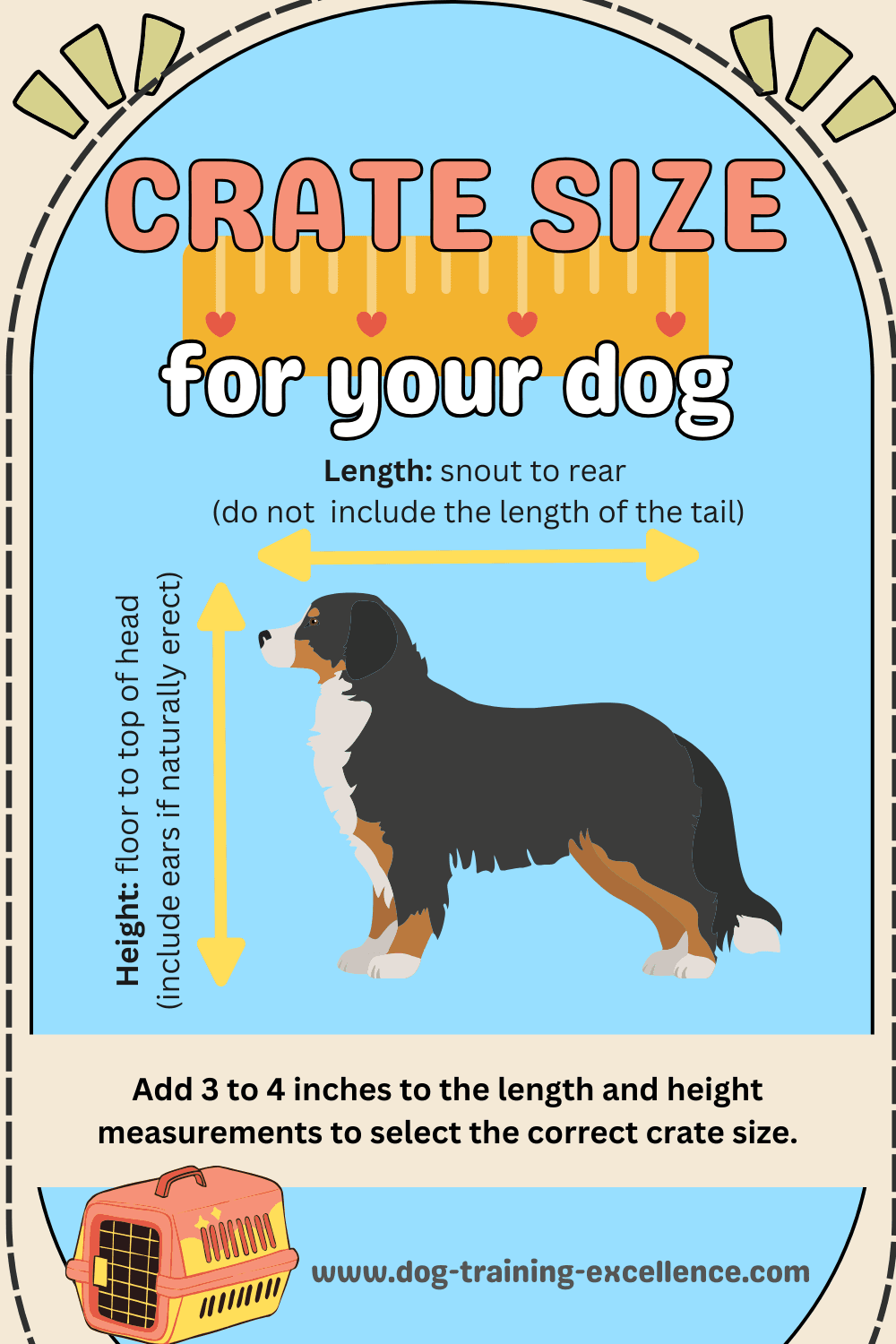
The first step in your dog crate training guide is selecting the right equipment. The crate should be a comfortable fit—not too big and not too small. A common mistake is buying a crate that’s too large, thinking the dog will appreciate the extra room. However, this can backfire for house training, as the puppy might use one end as a bedroom and the other as a bathroom.
The ideal size allows your dog to stand up, turn around, and lie down comfortably in a natural position. For puppies, it’s wise to buy a crate that will fit them as an adult but comes with a divider. This allows you to adjust the internal space as they grow.
Types of Dog Crates
- Wire Crates: These are the most popular choice. They offer excellent ventilation, are easy to clean, and often fold down for convenient storage. Many come with dividers. Covering a wire crate with a blanket can create a more den-like atmosphere, but ensure there’s still adequate airflow.
- Plastic Crates: Often used for air travel, these crates are sturdy and offer a more enclosed, private feel that some dogs prefer. They are lightweight and easy to clean, though they offer less visibility than wire models.
- Soft-Sided Crates: Made from fabric, these are lightweight and highly portable. They are best for dogs that are already crate trained and not prone to chewing or scratching, as they are less durable.
- Furniture-Style Crates: These are designed to blend in with your home decor, doubling as end tables or consoles. While stylish, they are often more expensive and can be harder to clean. The right training crate for dogs depends entirely on your lifestyle and your dog’s temperament.
Your Step-by-Step Dog Crate Training Guide
Patience is the secret ingredient to successful crate training. This process should always be positive and never rushed. Never use the crate as a form of punishment, as this will create a negative association that is difficult to undo. The key is to introduce the crate gradually and make it the best place in the house.
Step 1: Making the Crate a Happy Place
Place the crate in a central part of your home, like the living room, where the family spends a lot of time. Leave the door securely propped open. Make the inside inviting with a soft bed or blanket. Drop high-value treats, like small pieces of chicken or cheese, near the crate, then just inside the door, and finally all the way at the back. Let your dog explore it at their own pace without any pressure. Toss a favorite toy inside. Speak in an encouraging, happy tone whenever your dog goes near it. The goal of this stage is for your dog to enter the crate willingly.
Step 2: Feeding Meals in the Crate
Start feeding your dog their regular meals inside the crate to build a stronger positive association. At first, place the food bowl just inside the door. As your dog becomes more comfortable, gradually push the bowl further toward the back. Once your dog is happily eating its meals at the very back of the crate, you can start closing the door while they eat. Open it as soon as they finish.
Step 3: Extending Crate Time
After your dog is comfortable eating in the crate with the door closed, you can begin to leave them in for short periods after they finish their meal. Start with just a few minutes. When you let them out, do so calmly. Don’t make a big fuss, as this can create anxiety around your departures and arrivals.
Introduce a verbal cue, such as “crate time” or “go to your bed,” in a cheerful voice. When your dog enters, give them a special treat that they only get in the crate, like a puzzle toy filled with peanut butter. This makes crating a rewarding experience. Gradually increase the duration you leave them in the crate with the door closed, starting with 5 minutes, then 10, then 30, and so on.
Step 4: Crating When You Leave
Once your dog can stay calmly in the crate for about 30 minutes with you in the house, you can practice leaving for short periods. Crate them 10-15 minutes before you depart. Keep your departures and arrivals low-key to avoid triggering separation anxiety. Don’t say a long, emotional goodbye. Just give them their special crate toy, say your cue, and leave quietly. When you return, ignore them for the first few minutes, then calmly let them out.
Step 5: Crating Overnight
Many owners want their dogs to sleep in a crate overnight. For the first few nights, place the crate in your bedroom. This can help comfort a puppy, as they can hear and smell you, which reduces anxiety. It also allows you to hear them if they need a potty break during the night. A consistent bedtime routine can help signal that it’s time to settle down for the night.
According to Dr. Emily Carter, a veterinary behaviorist, “Consistency is paramount. A predictable routine helps the dog understand what is expected of them and builds their confidence. The crate becomes a signal for calm relaxation, not for stressful isolation.”
Troubleshooting Common Crate Training Issues
It’s normal to hit a few bumps in the road. The most common issue is whining or crying.
What to Do About Whining and Crying
First, determine the cause. Is your dog crying because they need to go to the bathroom? Or are they crying for attention? A young puppy will likely need a potty break. If you suspect this is the case, take them out calmly on a leash, give them a chance to relieve themselves, and then return them directly to the crate.
If you believe they are crying for attention, it’s crucial not to reward the behavior by letting them out. Wait for a brief moment of silence, even just a few seconds, before opening the door. This teaches them that silence, not crying, gets them what they want. Dealing with crate training dog crying can be tough, but consistency will pay off. Make sure the dog has had plenty of exercise and mental stimulation before being crated, as a tired dog is a calm dog.
How Long Can a Dog Stay in a Crate?
A crate is a temporary management tool, not a place for a dog to live. The maximum time a dog should be crated depends on their age, temperament, and physical needs.
- Puppies (8-16 weeks): Puppies need frequent potty breaks, typically every 2-4 hours. A general rule of thumb is their age in months plus one. So, a 3-month-old puppy can hold it for about 4 hours.
- Adult Dogs: An adult dog can typically be crated for up to 6-8 hours, but this should be the exception, not the daily norm. Dogs need social interaction, exercise, and mental stimulation.
No dog should be left in a crate all day while you are at work and then all night for sleeping. If you work long hours, consider hiring a dog walker or using a doggy daycare service to break up the day. A deeper look into what is crate training for dogs reveals it’s about balance, not permanent confinement.
Frequently Asked Questions (FAQ)
Q1: Is it cruel to crate train a dog?
No, it is not cruel when done correctly. A crate provides a safe, den-like space for a dog and is a valuable management tool. The key is to use positive reinforcement and never use the crate for punishment.
Q2: Can I crate train an older dog?
Yes, you can crate train a dog at any age. The process is the same as for a puppy, but it may take longer if the older dog has negative associations with confinement from its past. Be extra patient and use high-value rewards.
Q3: What should I put inside the dog crate?
The crate should have comfortable, chew-proof bedding. You can also include safe chew toys or a puzzle toy filled with treats to keep your dog occupied. Always remove collars, harnesses, and tags before crating to prevent choking hazards.
Q4: My dog hates the crate. What should I do?
Go back to the very beginning of the training process and slow down. Re-establish a positive association with lots of high-value treats and praise. Make sure the crate is the right size and in a comfortable location. Never force your dog into the crate.
Q5: How do I know if the crate is too big or too small?
Your dog should be able to comfortably stand up, turn around, and lie down. If they have to crouch to get in, it’s too small. If there is enough room for them to potty in one corner and sleep in another, it’s too big for house-training purposes. Use a divider for puppies.
Q6: What if my dog has an accident in the crate?
If your dog soils its crate, it may be a sign that they were left for too long or are suffering from separation anxiety. Clean it thoroughly with an enzymatic cleaner to eliminate odors that might encourage them to go in the same spot again. Re-evaluate your crating schedule and consult a vet or trainer if the problem persists.
Q7: Should I leave food and water in the crate?
It is generally not recommended to leave food in the crate, as it can be a choking hazard. Water is a bit more complex. For short periods, water is not necessary. For longer durations or in hot weather, a spill-proof crate bowl is a good idea.
Your Path to a Happier, Crate-Trained Dog
Mastering this dog crate training guide is a journey that transforms your relationship with your pet. It establishes clear boundaries, fosters a sense of security, and makes managing your dog’s safety and well-being significantly easier. Remember that every dog learns at a different pace. Celebrate small victories, remain patient during setbacks, and always keep the training sessions positive and upbeat. By dedicating time and consistency to this process, you are giving your dog a valuable life skill and a personal sanctuary they will appreciate for years to come.
